Cultural Strategy · Motorola · Luxury Collaboration
Strategic Case
A co-branded luxury device only lands if the campaign earns the same cultural register as the object. Motorola needed to tell a luxury story without owning luxury, and make the collaboration read as native to Swarovski's world.
Luxury audio, performance, and craft were gaining ground in visual culture. Instruments, heritage, and setting were doing more storytelling work than product features. A violinist at a landmark cultural destination could carry technology, sound, and status in a way no studio shoot could replicate.
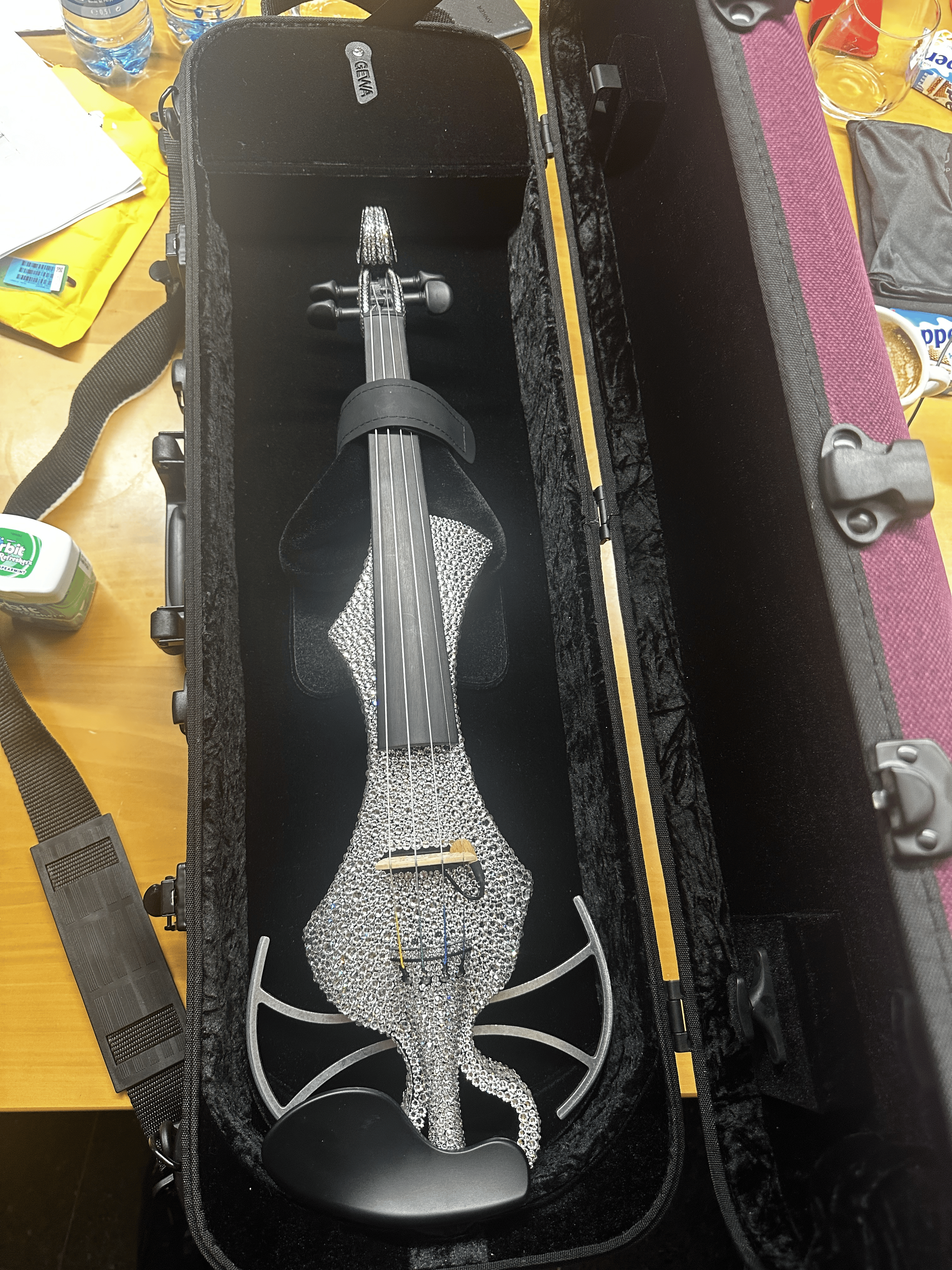
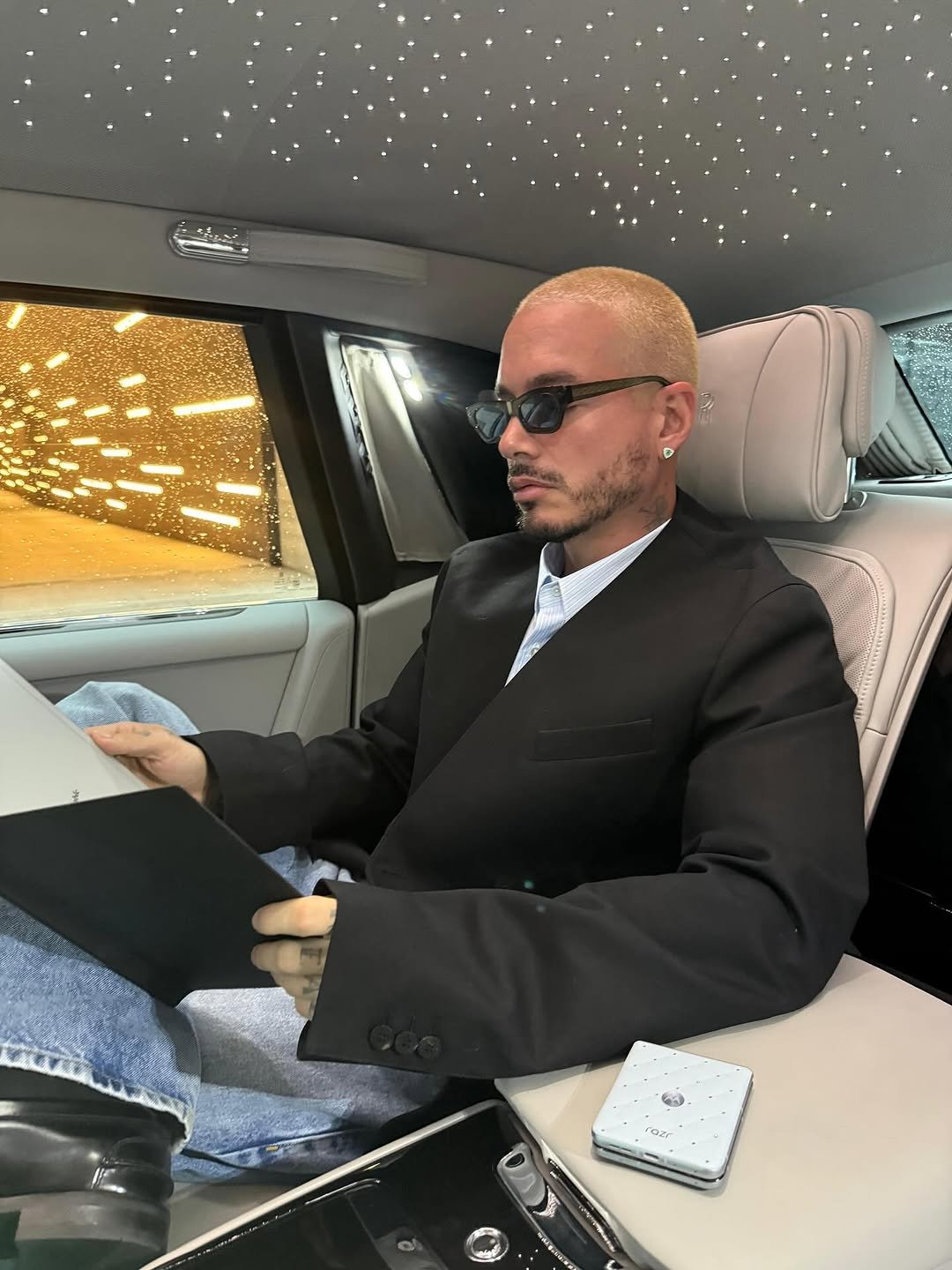
Alex led the campaign from brief to delivery: choosing Swarovski Crystal Worlds in Austria as the setting (the first time the space had ever been closed for a global brand shoot), casting violinist Rusanda Panfili as the protagonist, and commissioning a one-of-a-kind Swarovski-embellished violin. He then initiated, with no formal brief, a gifting play that put the device in J. Balvin's hands at the FIFA Club World Cup half-time show.
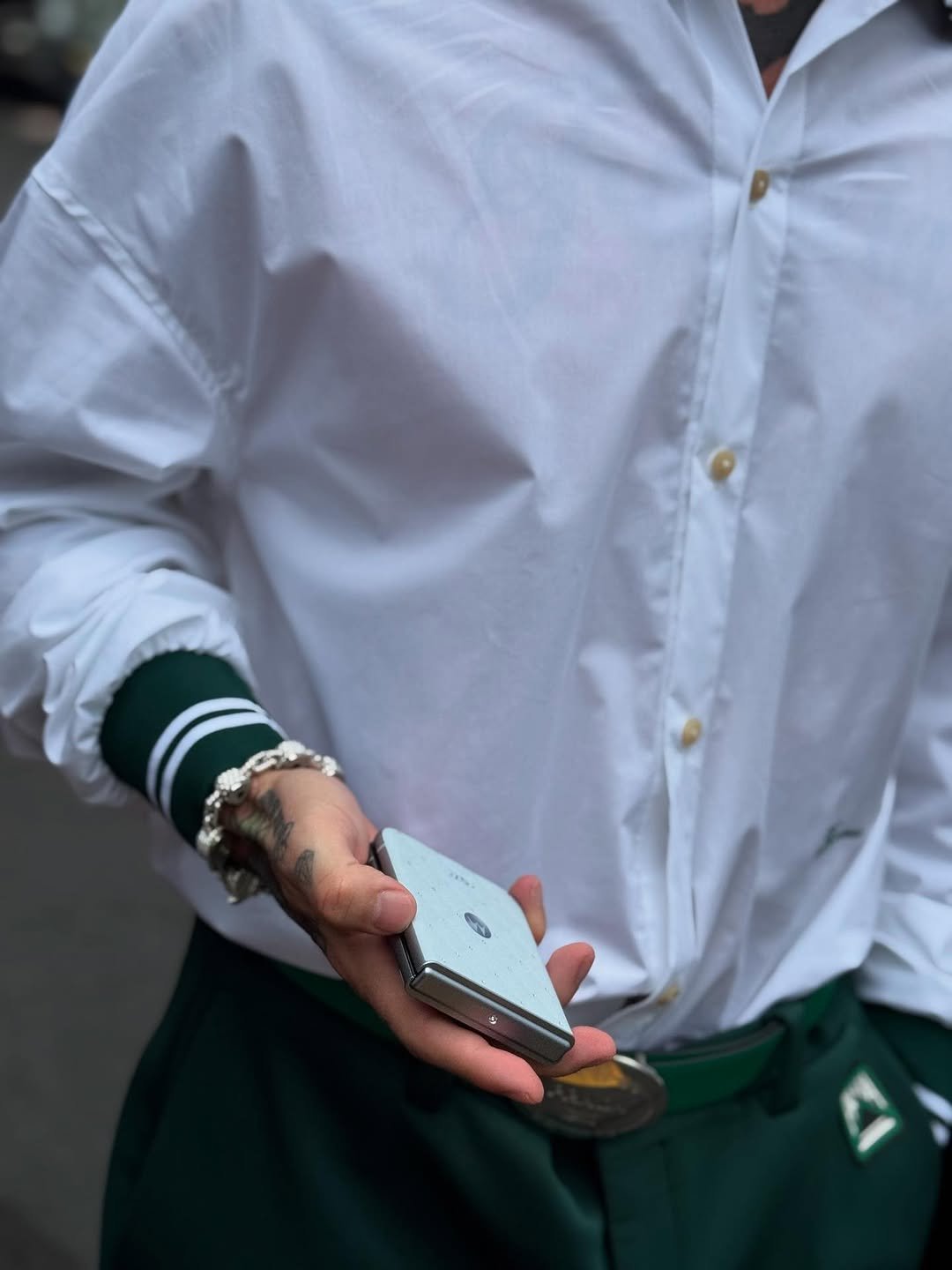
The limited-edition Swarovski Razr sold out. The unsolicited Balvin gifting play generated 5 million impressions and 500,000 engagements with zero paid media spend. The campaign demonstrated that Motorola could operate in luxury without looking like it was auditioning for the category.
Tech brands pursuing luxury or fashion collaborations that need earned cultural credibility, not just co-branding paperwork.
Problem
Motorola's audio devices needed a story beyond spec sheets. Luxury perception requires earned narrative. The brand needed to enter a world it hadn't been invited into.
Strategy
Anchor the collaboration in genuine cultural heritage. Austria, Swarovski's homeland and Land of Music, gave the campaign meaning no studio could manufacture. Rusanda Panfili gave it a human face.
Solution
A content series across four pillars: audio, innovation, fashion, lifestyle. Three global influencers. Long-form storytelling paired with short-form social. The collaboration generated its own cultural moment.
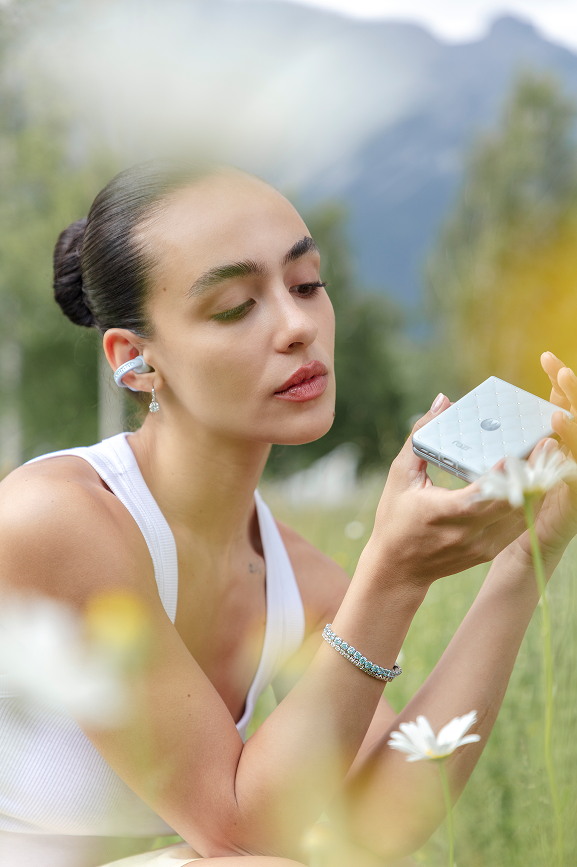
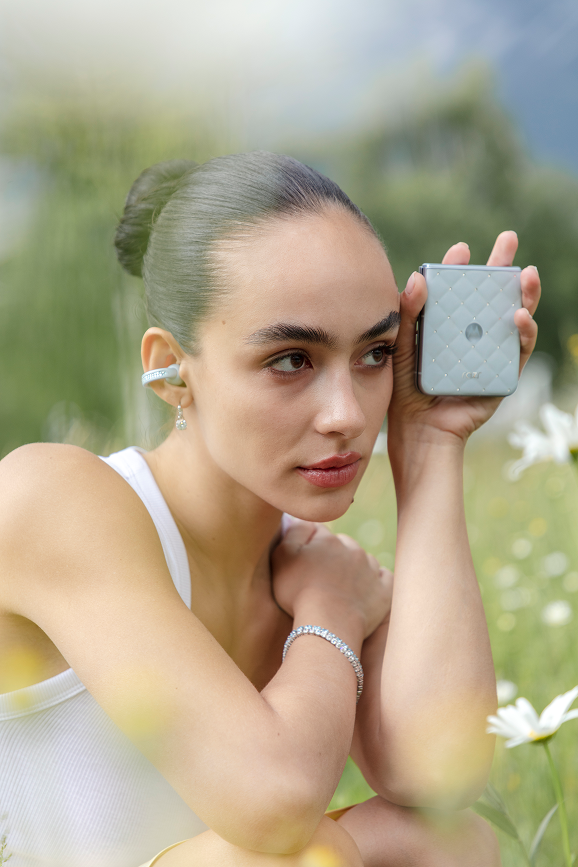
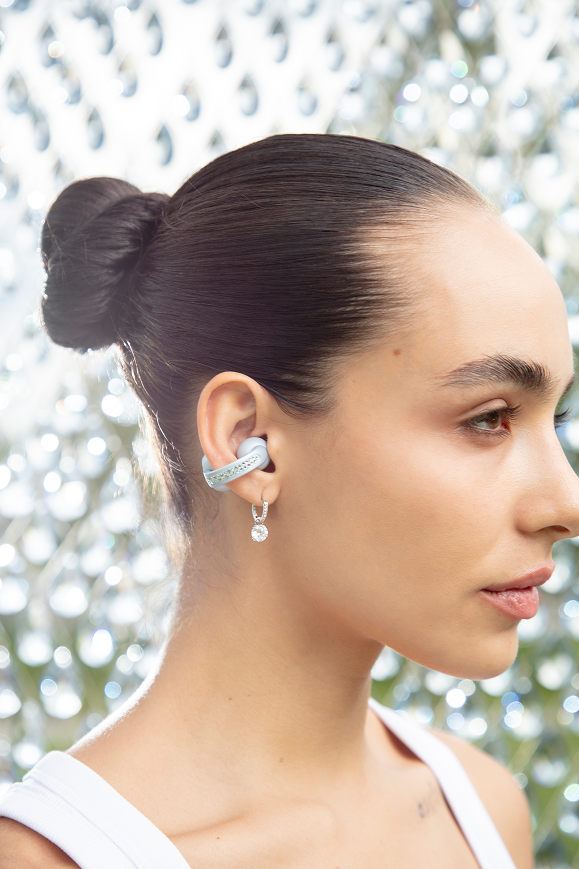
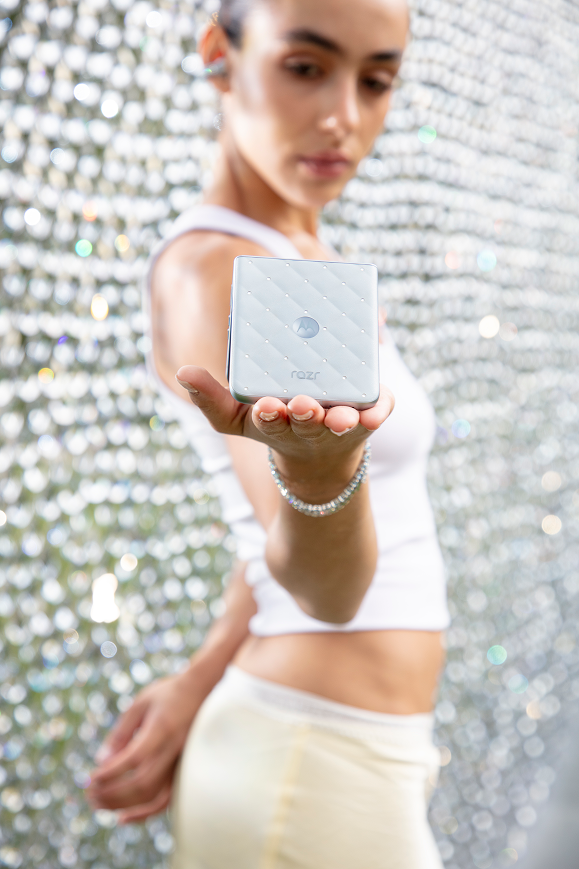
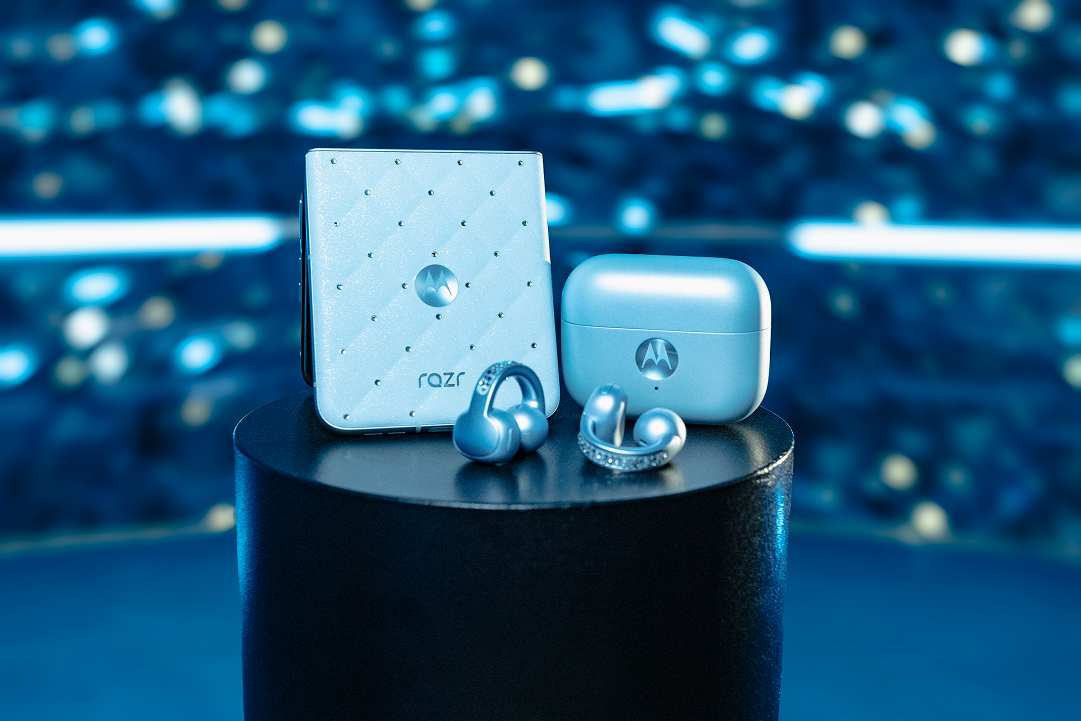
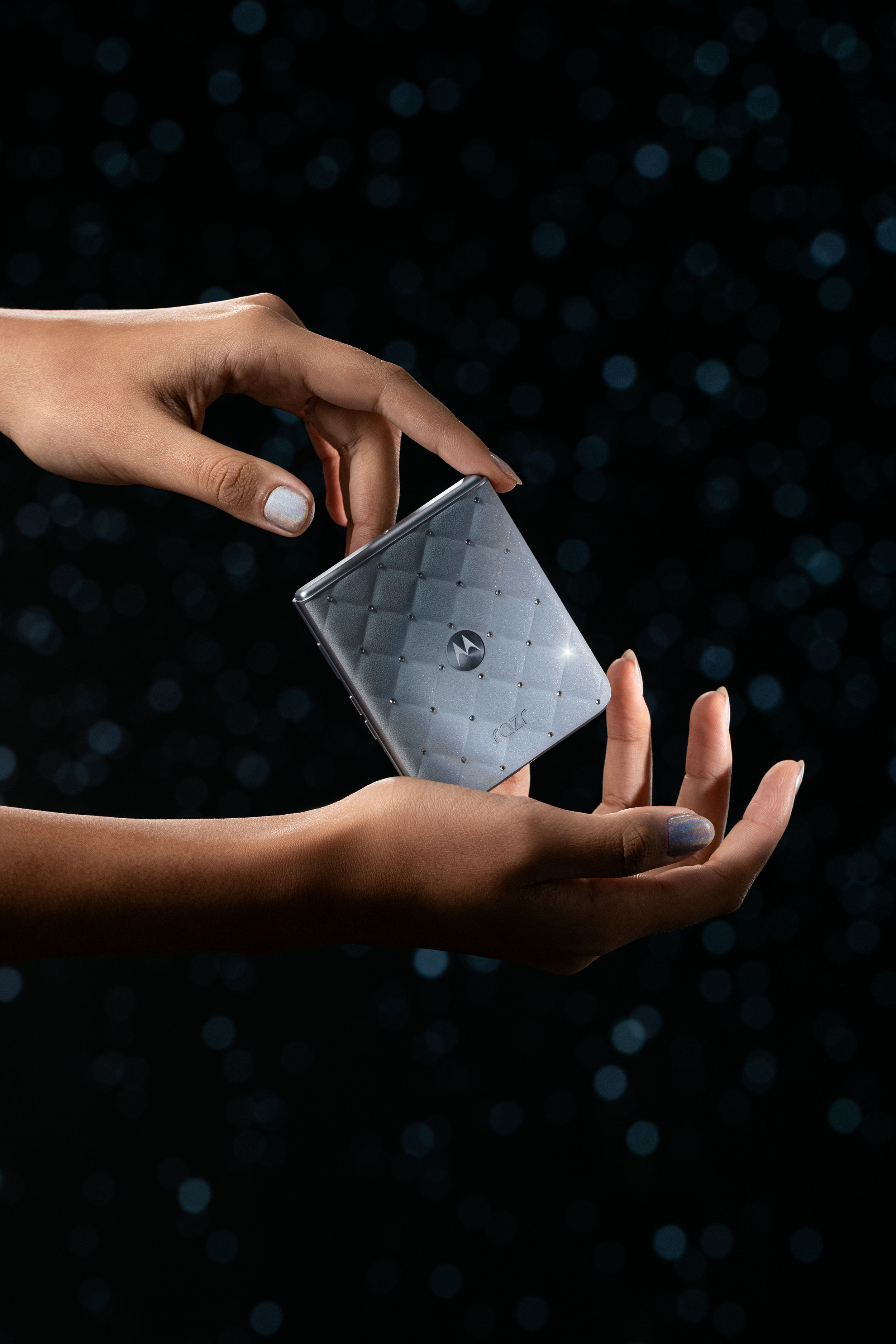
Most tech collaborations are about slapping a logo on a device and calling it a collection. The Motorola Razr+ x Swarovski was a genuine object of desire: limited edition, crystal-embellished, built by two brands that have spent decades earning the right to mean something. The campaign's job was to make people feel what it represented.
Motorola's flagship phones are technologically formidable, but technology doesn't travel through culture on its own. Swarovski's Austrian craft and luminous precision gave Motorola a different register to operate in. The challenge was making that feel credible.
Strategic Frame
The strongest brand collaborations find the frequency where both brands' deepest values already overlap. For Motorola and Swarovski, that overlap was precision. The crystal and the device share the same obsession with exactness. That's where the campaign lived.
The longer-form storytelling gave the campaign weight. Short-form cutdowns extended it. Six 15-second pieces, each built around a distinct content pillar (Overture, My Style, How I Play, Performance, The Composition), distilled the campaign into moments that could land in three seconds of scroll. Cinematic in texture, social in format. The compression required to make that work is its own creative discipline.
Shooting at Swarovski Crystal Worlds in Austria was a cultural decision. Austria is the Land of Music and Swarovski's homeland: a place where the handmade and the extraordinary coexist as a matter of national identity. Anchoring the collaboration there meant working from earned meaning rather than manufacturing it.
The architecture of Crystal Worlds, the refracted light, the scale of the installation: it gave the campaign a visual language no studio could replicate. The product sat inside a space with genuine heritage weight. Luxury audiences can tell when that's real. Shooting there removed the question.

A campaign like this needed someone at its center who could hold both worlds: the technological and the artistic, the modern and the classical. Rusanda Panfili, a globally recognized violinist, was that person. Not because she was a fit aesthetically, but because her actual life embodies the tension the campaign was built around: precision that becomes beauty.
She was the lead character in a story that happened to star two brands. That shapes everything: the way she was filmed, the way her relationship with the device was constructed, the way her artistry was placed in conversation with the product's engineering. When the protagonist has genuine authority in the world you're depicting, the audience feels it.
"The best campaigns don't put talent adjacent to the brand. They put talent inside a story where the brand is a natural part of who they are."
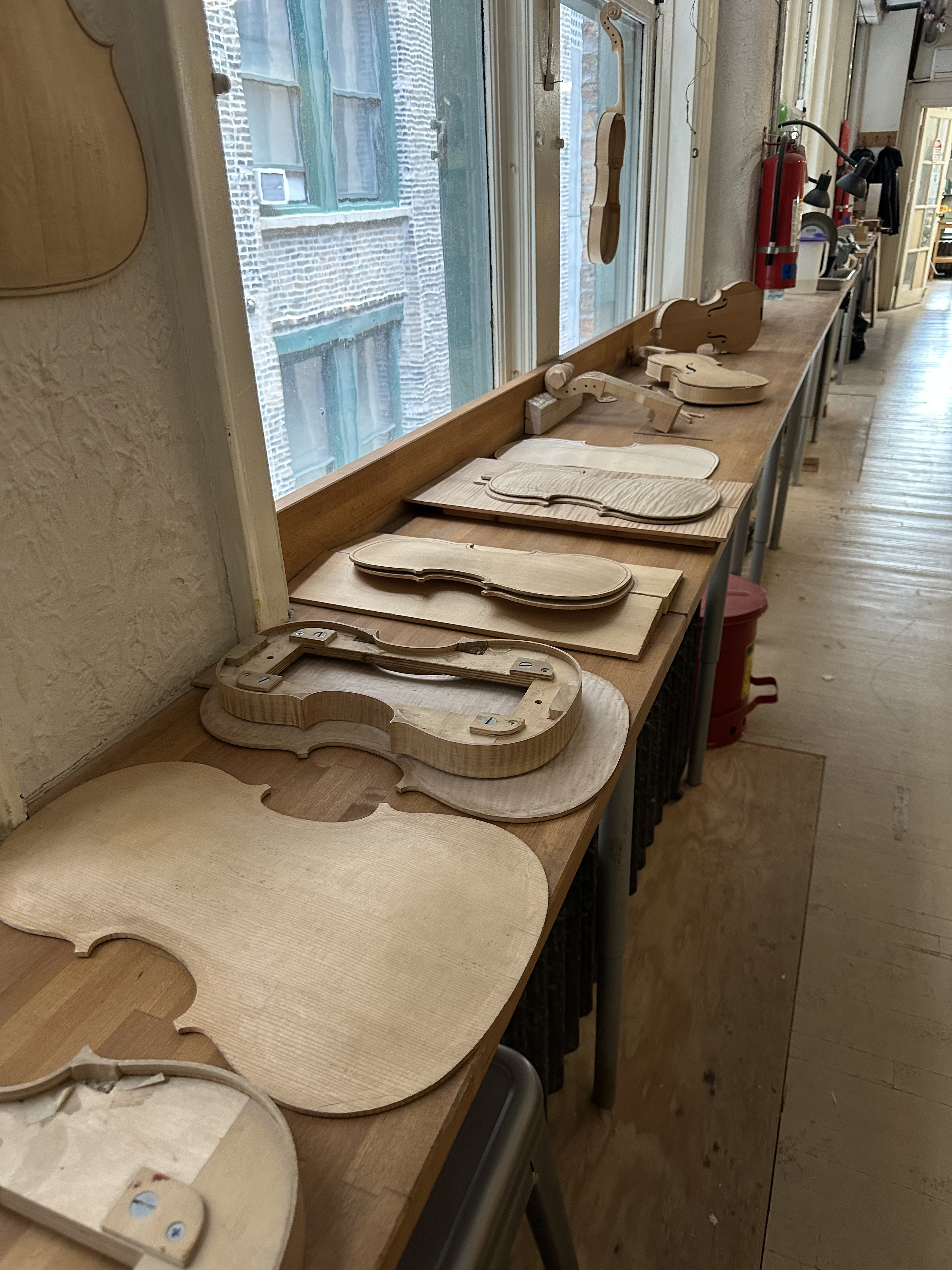
Beyond the films and the content, the campaign produced something that couldn't be downloaded or shared: a one-of-a-kind Swarovski-embellished violin, custom built for Rusanda. The aim was to push the collaboration beyond the device and into a physical artifact that embodied the same obsessions: precision, craft, and the point where technology and art share the same logic.
The violin was designed to be auctioned for charity, specifically a musical charity of Rusanda's choosing, in support of the Austrian music community that gave the campaign its cultural foundation. The auction was a genuine commitment: a way for Motorola to demonstrate real investment in the world it was working within, and to earn its place in a community that can tell the difference.
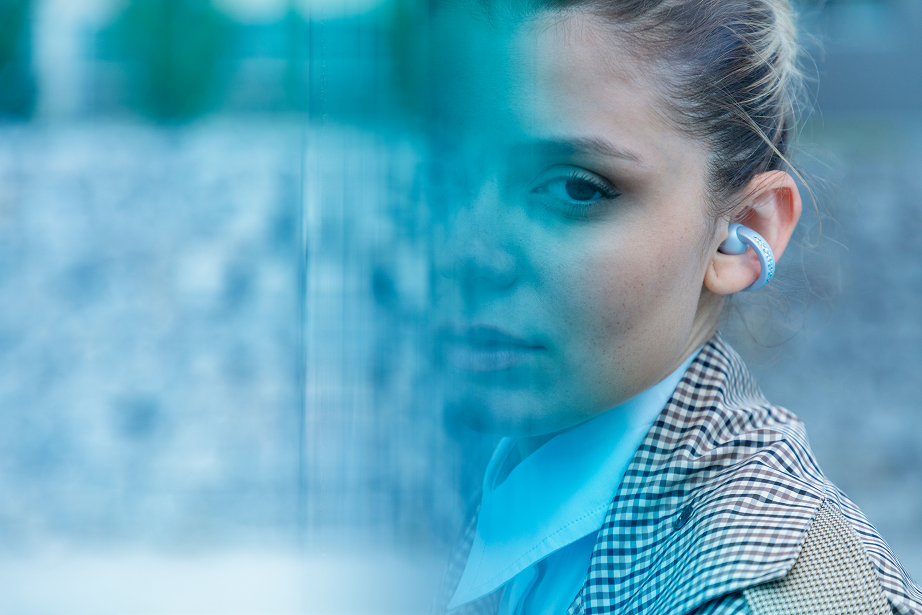
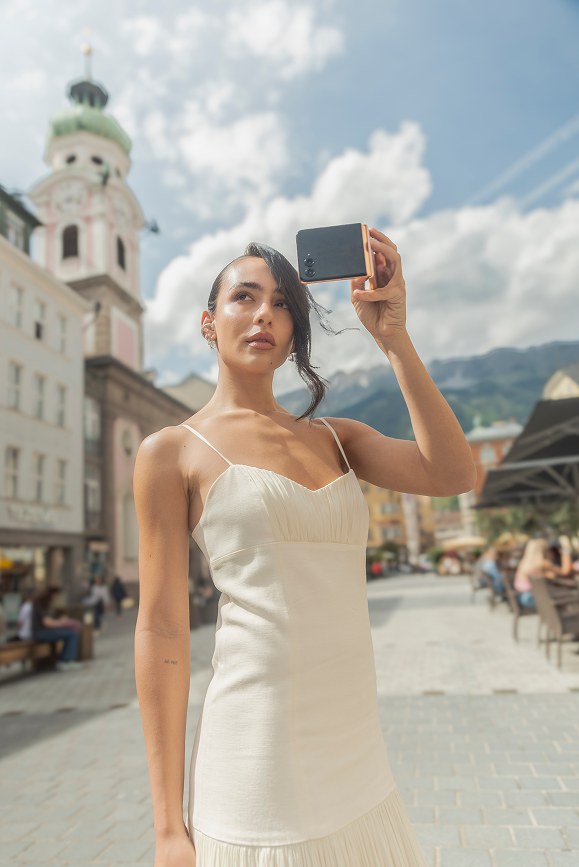
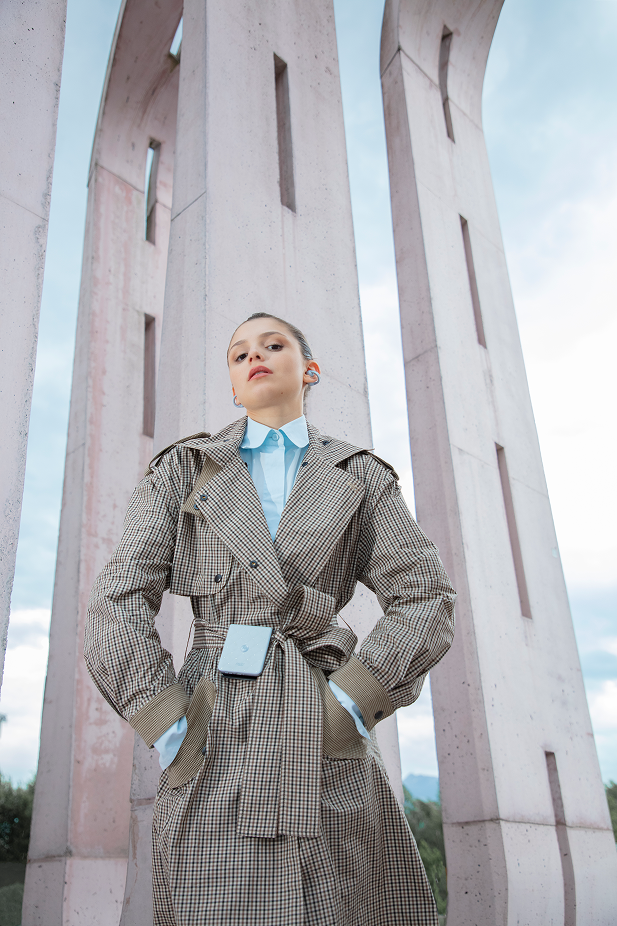
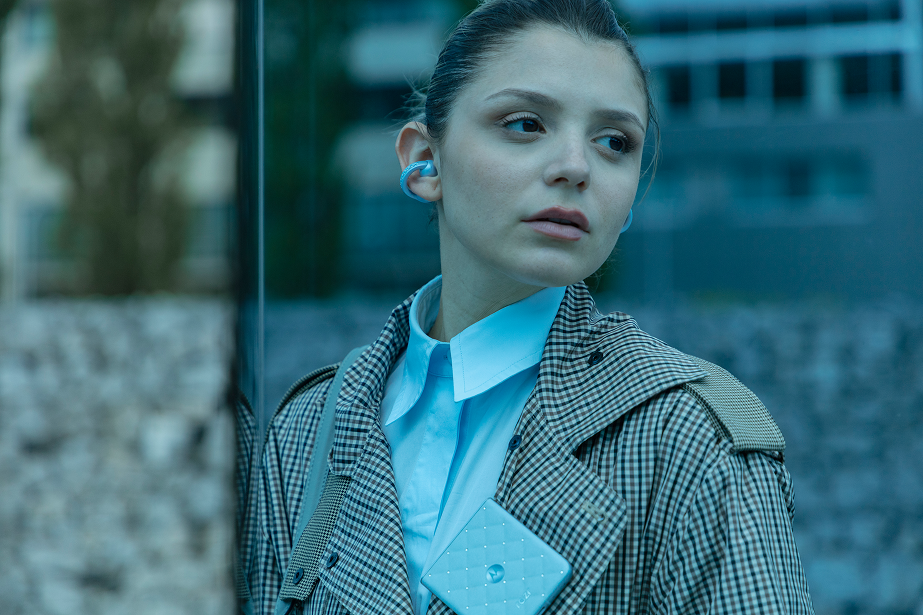
The campaign was built across four content pillars, each carrying a distinct piece of the story. Audio and Music anchored the emotional core: the violin, the performance, the way sound and crystal share a frequency. Device Innovation gave the campaign technical credibility without turning it into a spec sheet. Fashion and Lifestyle connected it to the world of aspiration and taste that Swarovski's audience already inhabits. Authentic Character gave the campaign a point of view beyond the product.
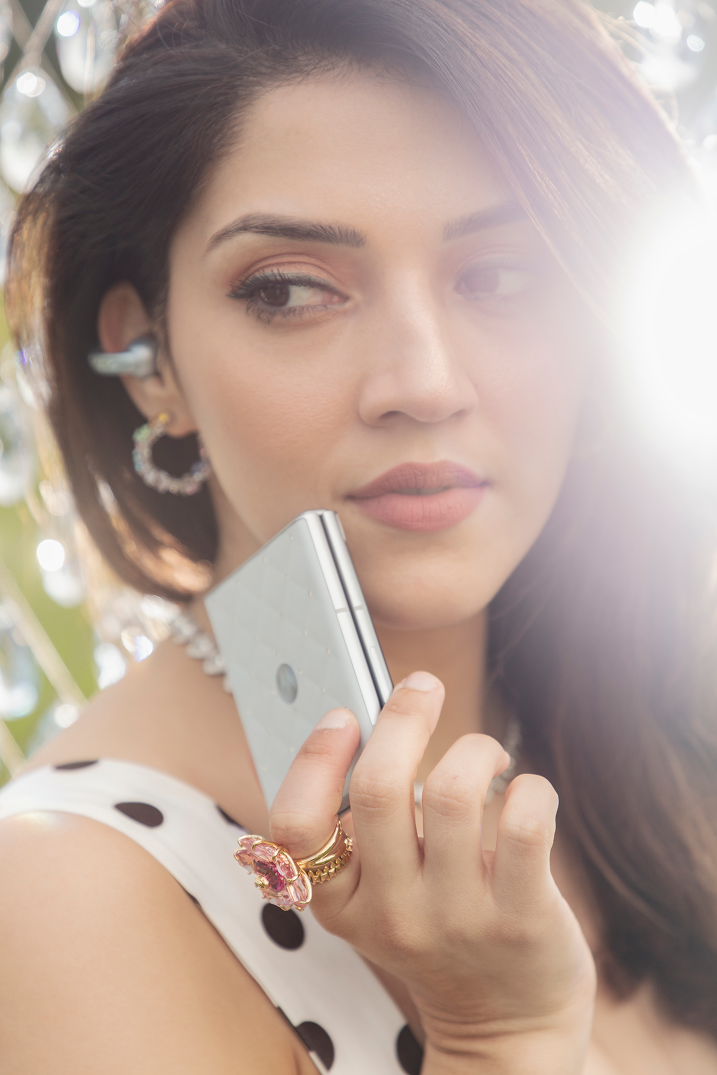
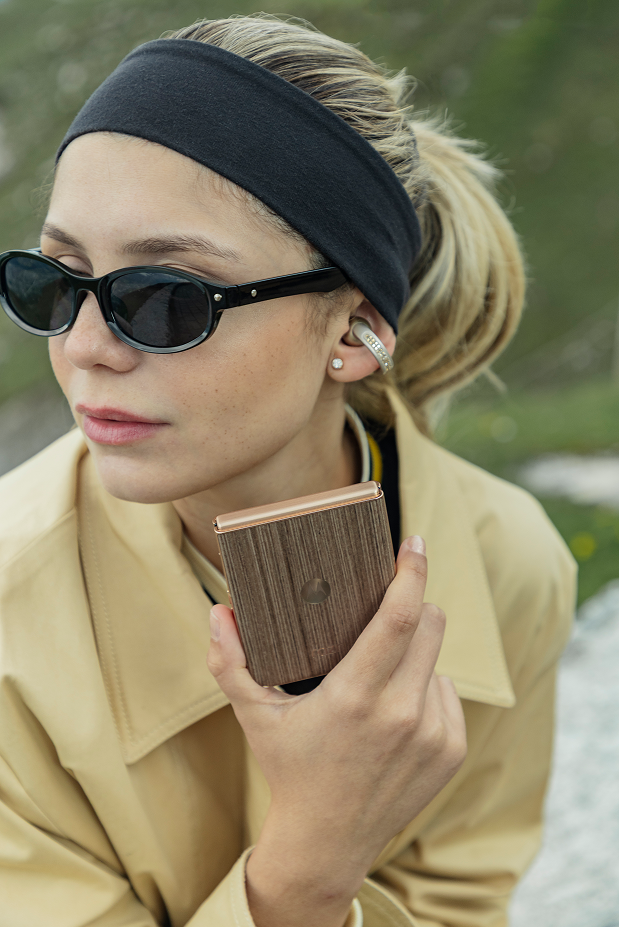
Three global influencers extended the campaign into territories and communities that neither brand could reach alone. Each influencer activated a specific pillar rather than simply amplifying the whole, which produced more relevant engagement across segments.
The architecture: Four pillars, three voices, one world. Every asset served a specific content function while remaining visually unified. Full-funnel thinking built into the creative brief from the start, not retrofitted in post.
There wasn't a formal brief. No one had J. Balvin on a seeding list or a celebrity strategy in motion. But the timing was too right to ignore -- FIFA Club World Cup, Balvin performing, and us holding a limited-edition Swarovski Razr that felt like it belonged in that world.
The idea started as a question in a team conversation: what if we got this phone into his hands before the show? It turned into a pitch, then a plan, then an execution.
The goal was placement, visibility, vibe alignment. So we made the experience premium: exclusive packaging, thoughtful messaging, and we timed it deliberately. We got the Razr to him before the performance, with just enough lead time for it to make its way into his pre-show world.
Cultural placement, not a gifting checklist.
Balvin used the phone. It appeared in social content, backstage moments, and conversations that rippled far beyond the stadium. We inserted the Razr into a cultural moment, and let the moment do the work.
Over 5M impressions and 500K engagements from a first look built entirely on cultural timing, not media spend.
Sold Out
The limited-edition Swarovski Razr sold through. Scarcity was designed in from the start. The campaign built desire the product couldn't outlast.
Fashion + Tech Collab
Dual placement across luxury fashion and technology media. A device that earned coverage in both worlds simultaneously.
Global
Three global influencers activated across distinct audience segments, extending the campaign's reach beyond what either brand could achieve alone.
2 Heritage Brands
Motorola and Swarovski, technology and crystal, held cultural tension without collapsing either identity. The device occupied territory neither brand had held alone.
First of Its Kind
Swarovski shut down Kristallwelten -- their iconic museum experience in Austria -- exclusively for this campaign. The first time the space had ever been closed for a global brand shoot.
FIFA Club World Cup
The device traveled from Austria to the global stage, appearing in J. Balvin's hands at the FIFA Club World Cup and reaching audiences the media plan hadn't accounted for.
Motorola
Erin Stacer — Director, Digital & Social
Alex Terry — Campaign Lead & Creative Director
Thomas Milner — Product Manager Director
Isabelle Caldeira da Silva — Sr. Global Marketing
Jourdan Silva — Content Specialist
Anjali Rawat — Sr. Specialist, Social Marketing
Swarovski
Libby Monte — B2B Lead
Agency
MXML — Stefan Clark, Greg Morrison, Matt Scheffer
All The Toys — Marta Chierego, John Veleta
Lenscape — Andreas Gumpenberger
Photography
Kyle LaMere
Talent
Rusanda Panfili
Camila Rendon
Catarina Tourinho
Mehreen Pirzada