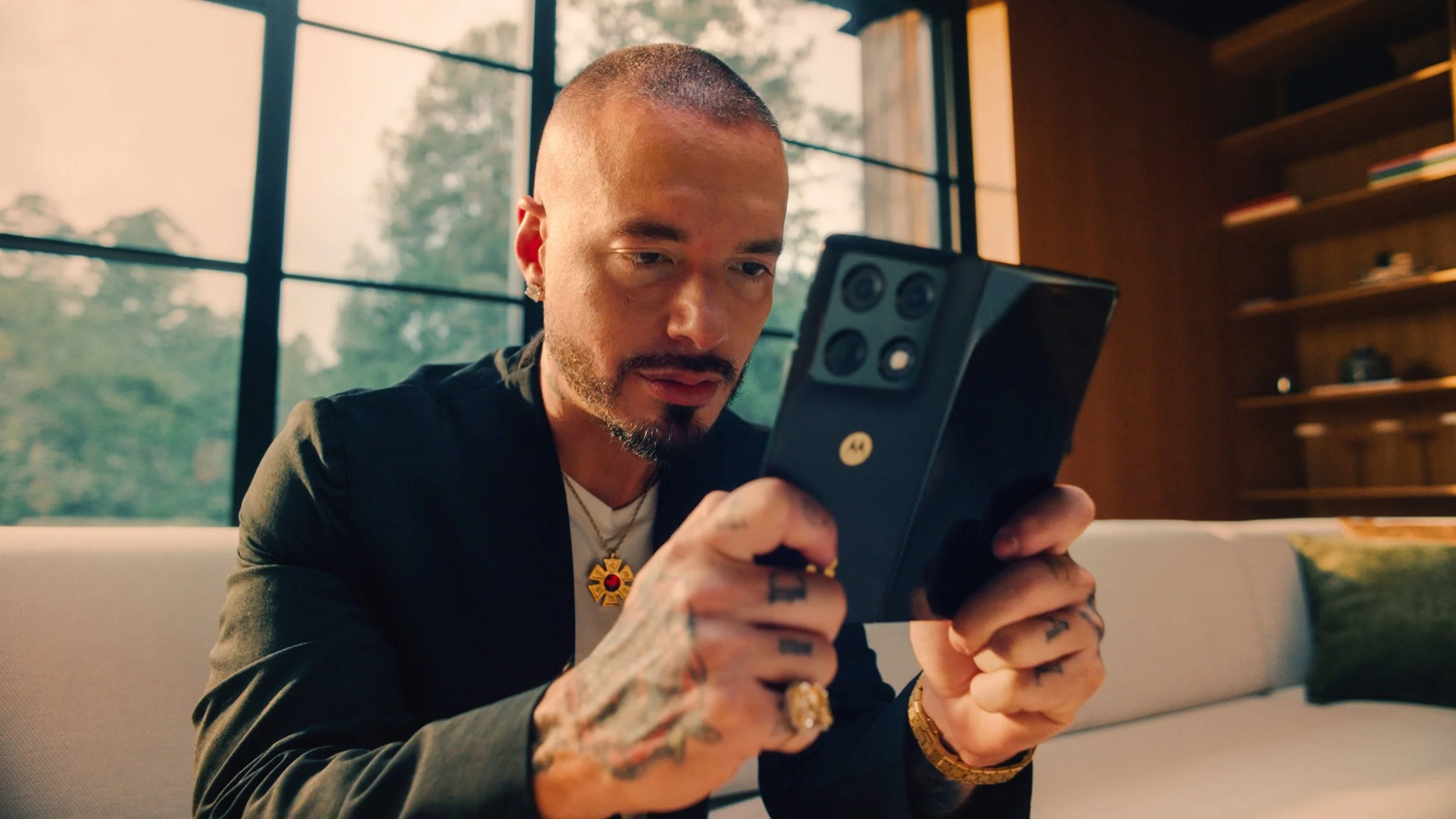
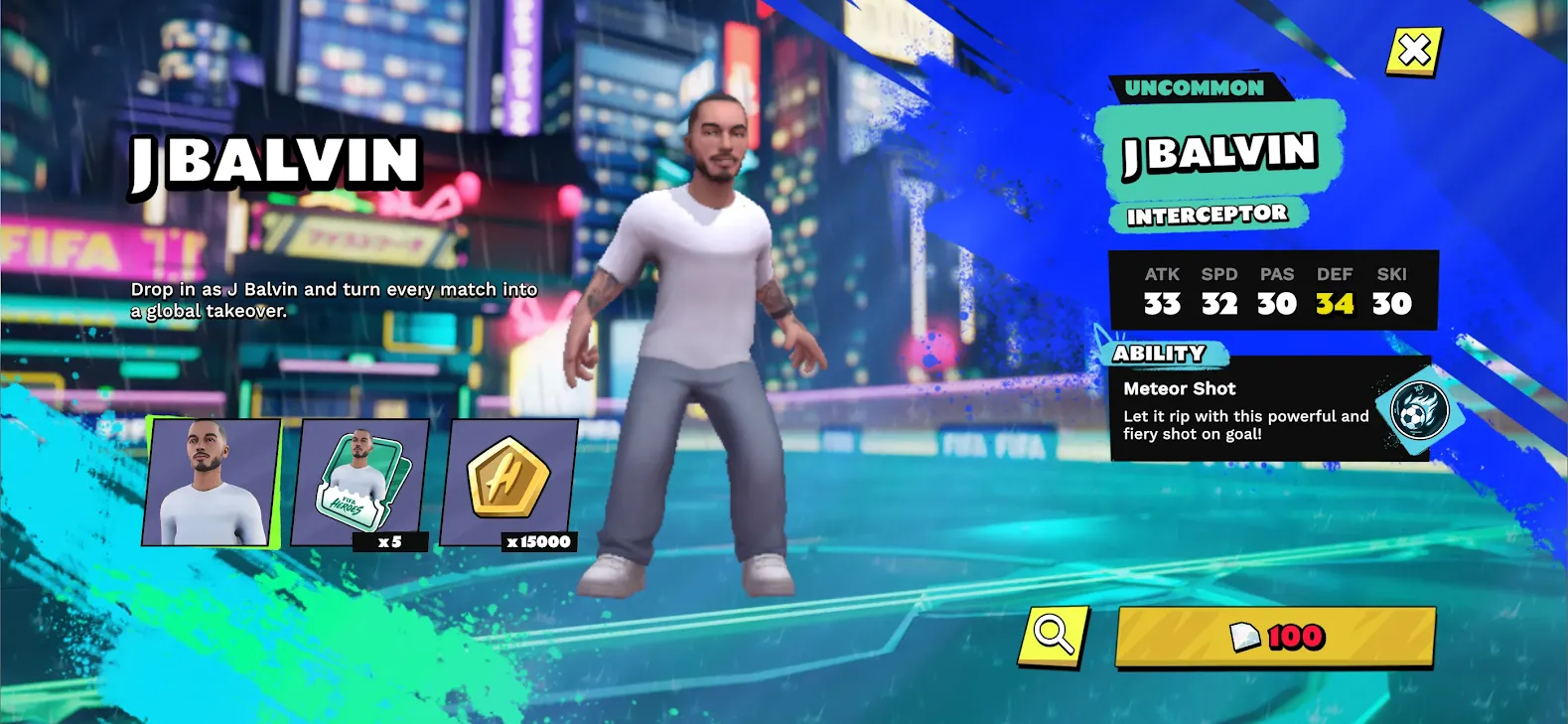
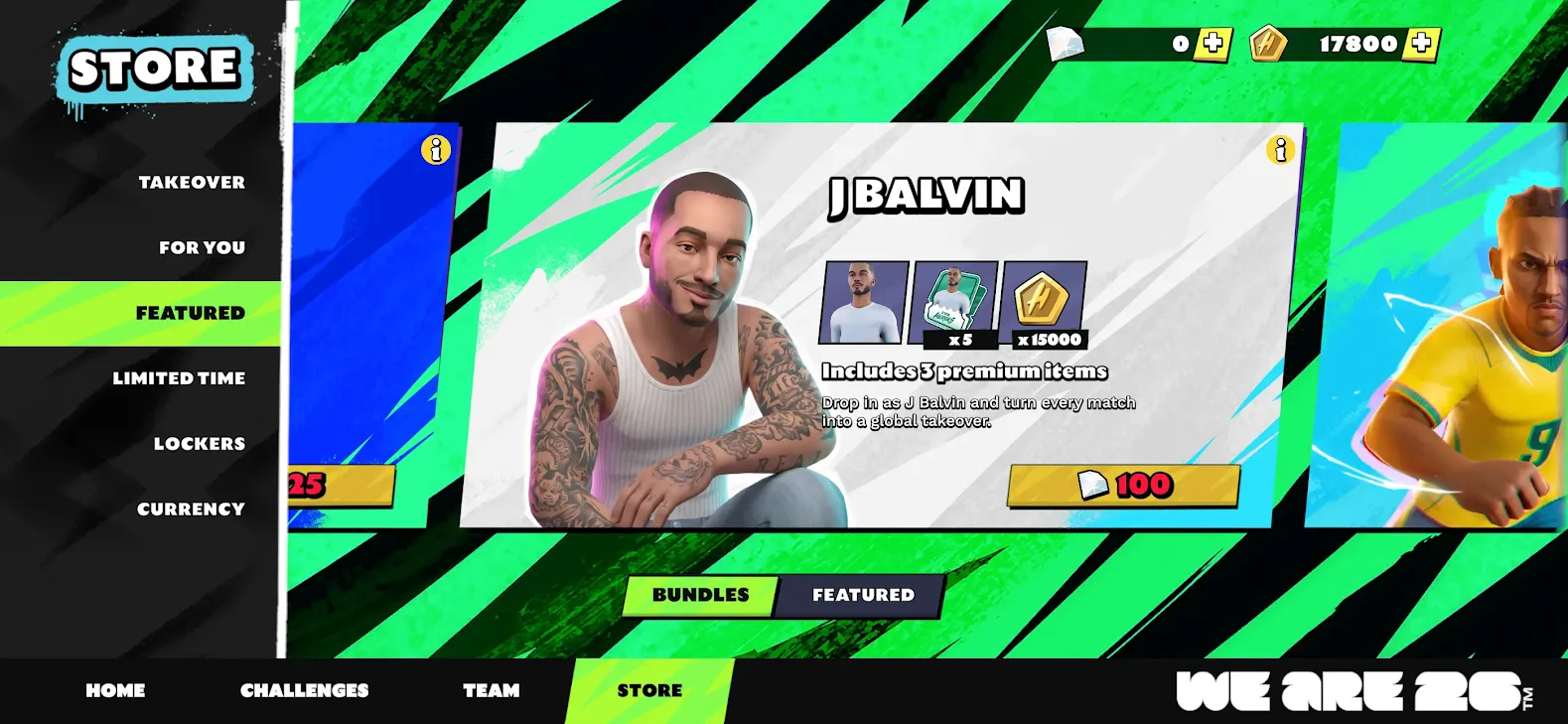
The work moved across music, live performance, gaming, content, and fan access. Balvin became a playable character in FIFA Heroes, extending the campaign into the game itself. Motorola earned a role inside the culture, instead of standing beside it.
The World Cup does not arrive all at once. It builds for months. It enters playlists, group chats, barbershops, stadium corridors, family kitchens, street corners, and cities where football is not a weekend interest. It is part of how people move through the world.
The brands that understand this do not wait for the opening match. They are already in the culture before the tournament catches fire.
For Motorola's FIFA World Cup 2026 campaign, the question was not just who to partner with. It was what kind of partnership would actually matter. J. Balvin answered both. His value was not only reach. It was fluency: global football culture, Latin identity, music, fashion, gaming, and the next generation of fandom.
The brief was to make Motorola feel like it belonged in that world. So we built the campaign around the worlds Balvin already moves through.
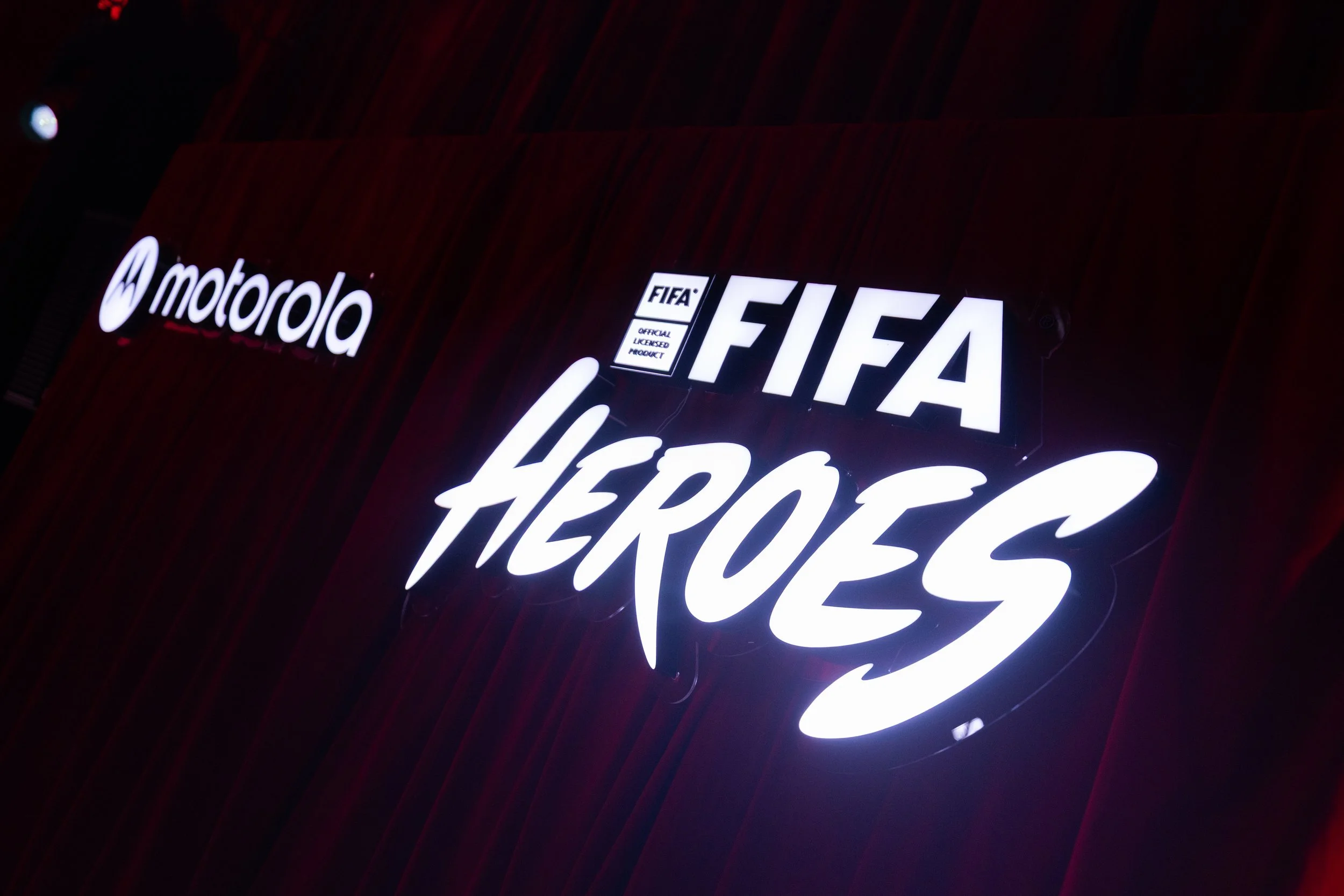
The Insight: Culture Travels Through Music and Sport
Tech brands at major sporting events tend to rely on logos, product shots, hospitality, and broadcast presence. That creates visibility. It rarely creates belonging.
In Latin markets, football is identity and music is the emotional language around it. A standard sponsorship play would have felt distant. Useful, maybe. Culturally thin, definitely.
J. Balvin gave Motorola a more credible path in. His audience is not passive. They follow his music, his style, his collaborations, his performances, and his moves into new spaces. The strategy was simple: place Motorola inside Balvin's world at the exact points where his world and the World Cup overlapped.
Strategic Frame
The strongest brand presence in culture feels native. It arrives early, moves naturally, and gives people something worth noticing before the spotlight hits.
Omerta: Mexico City as the Opening Move
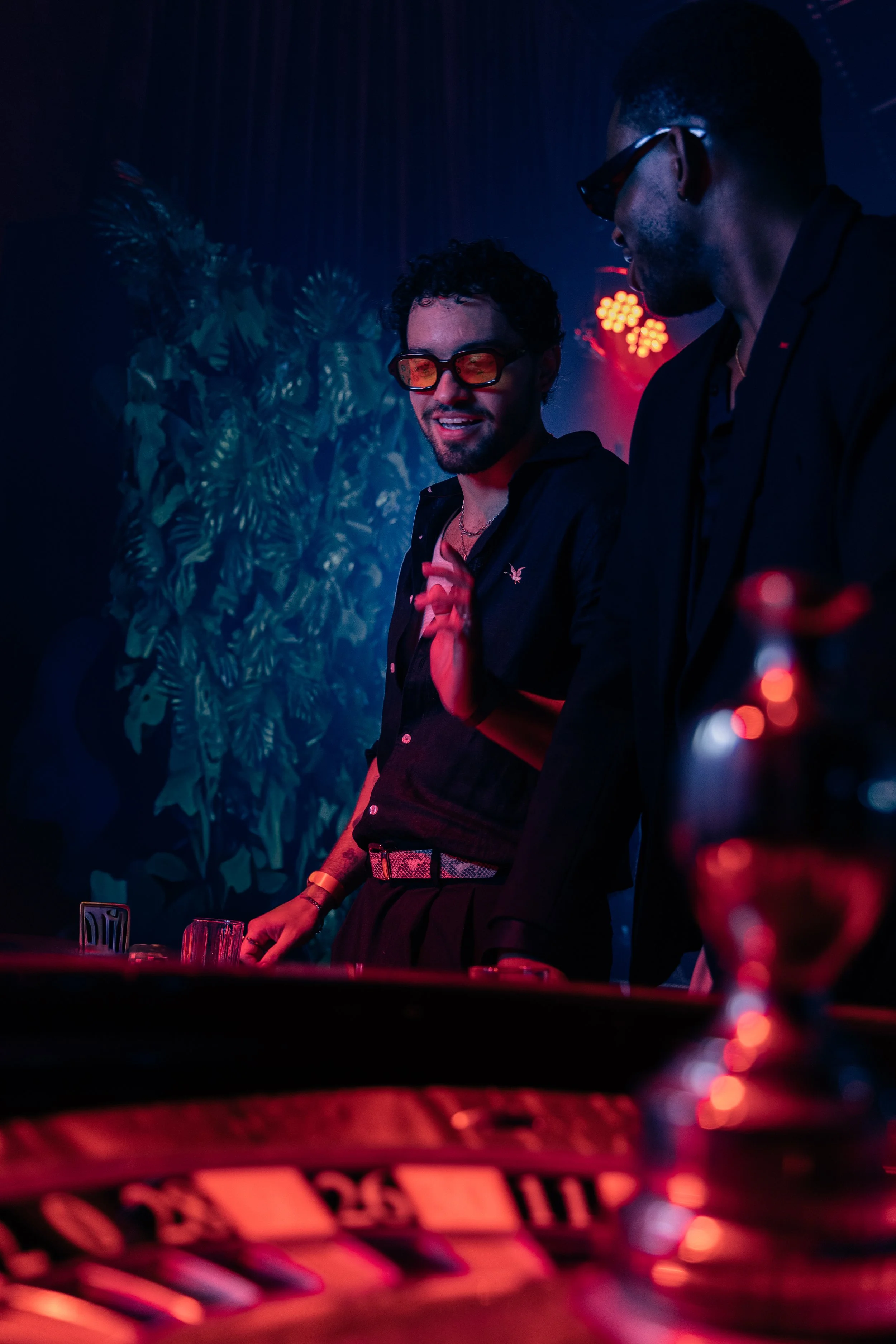
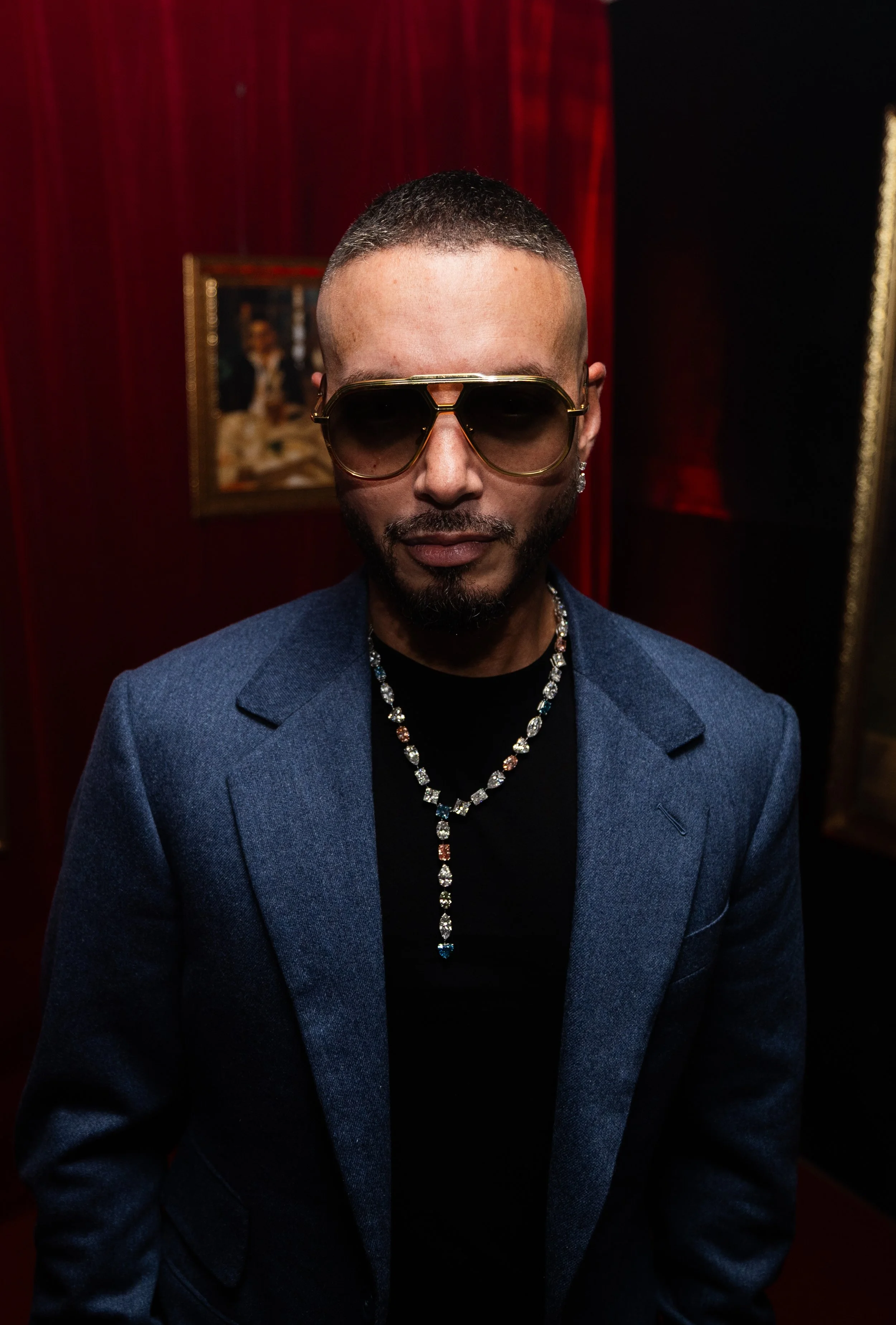
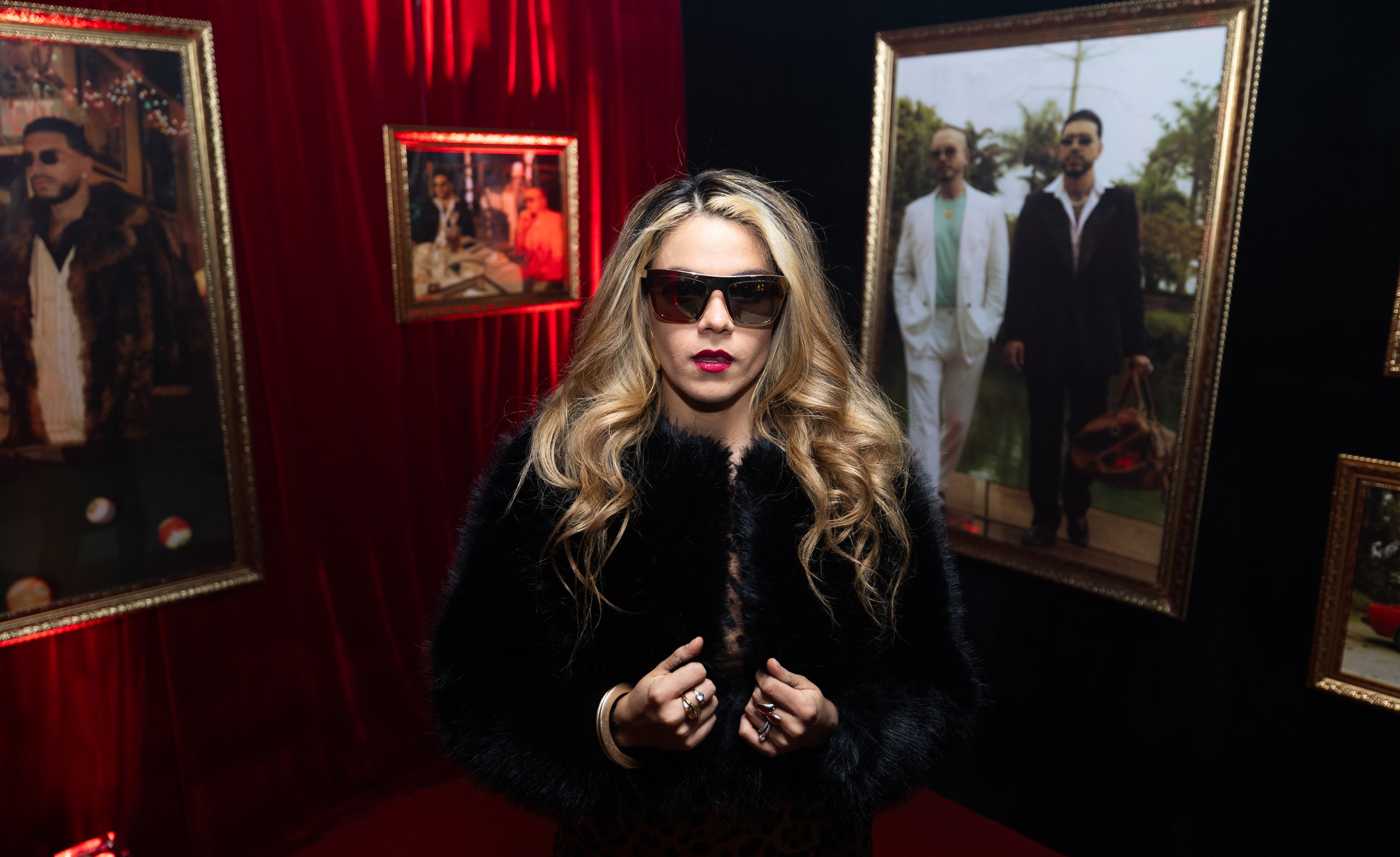
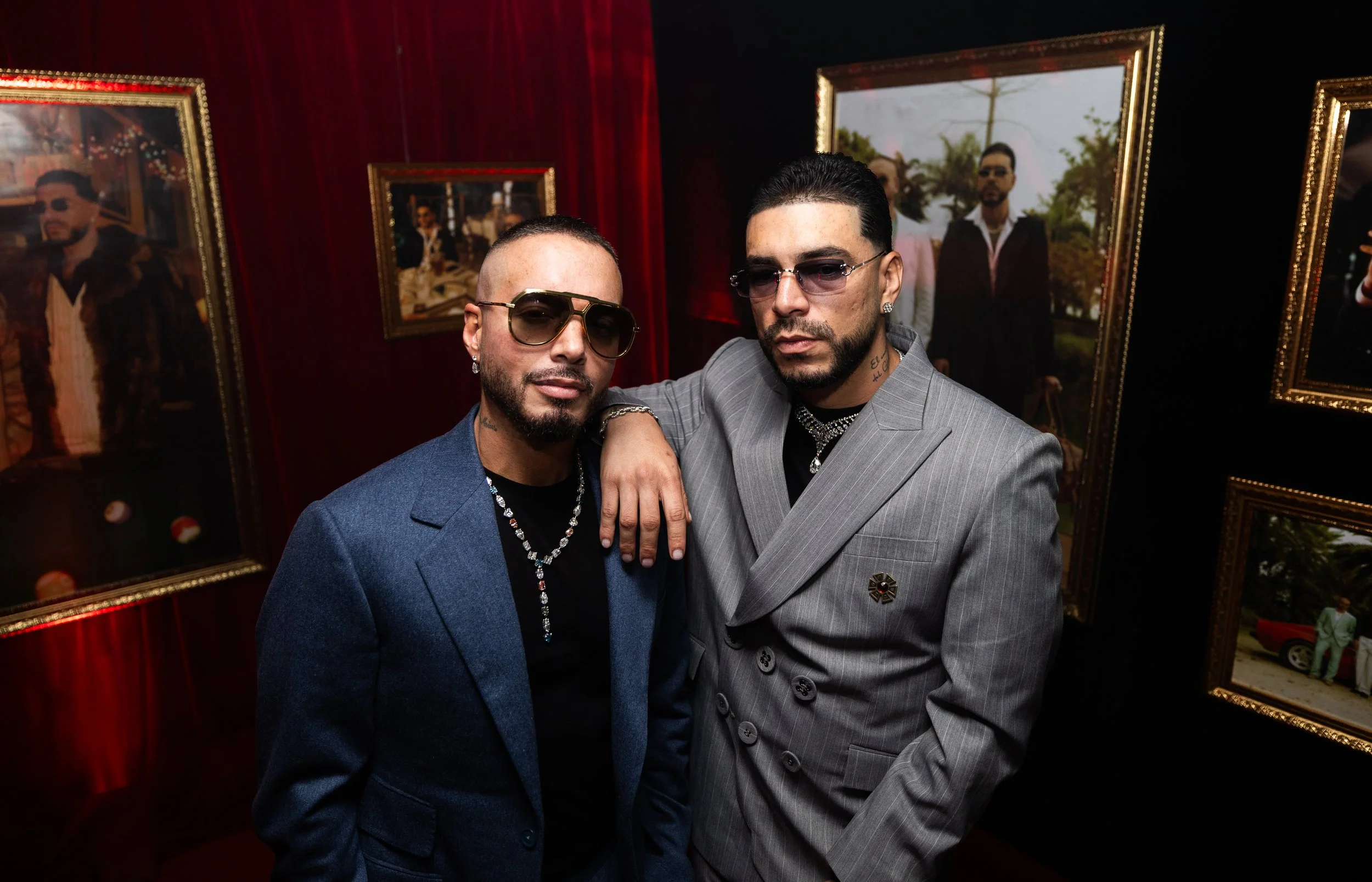
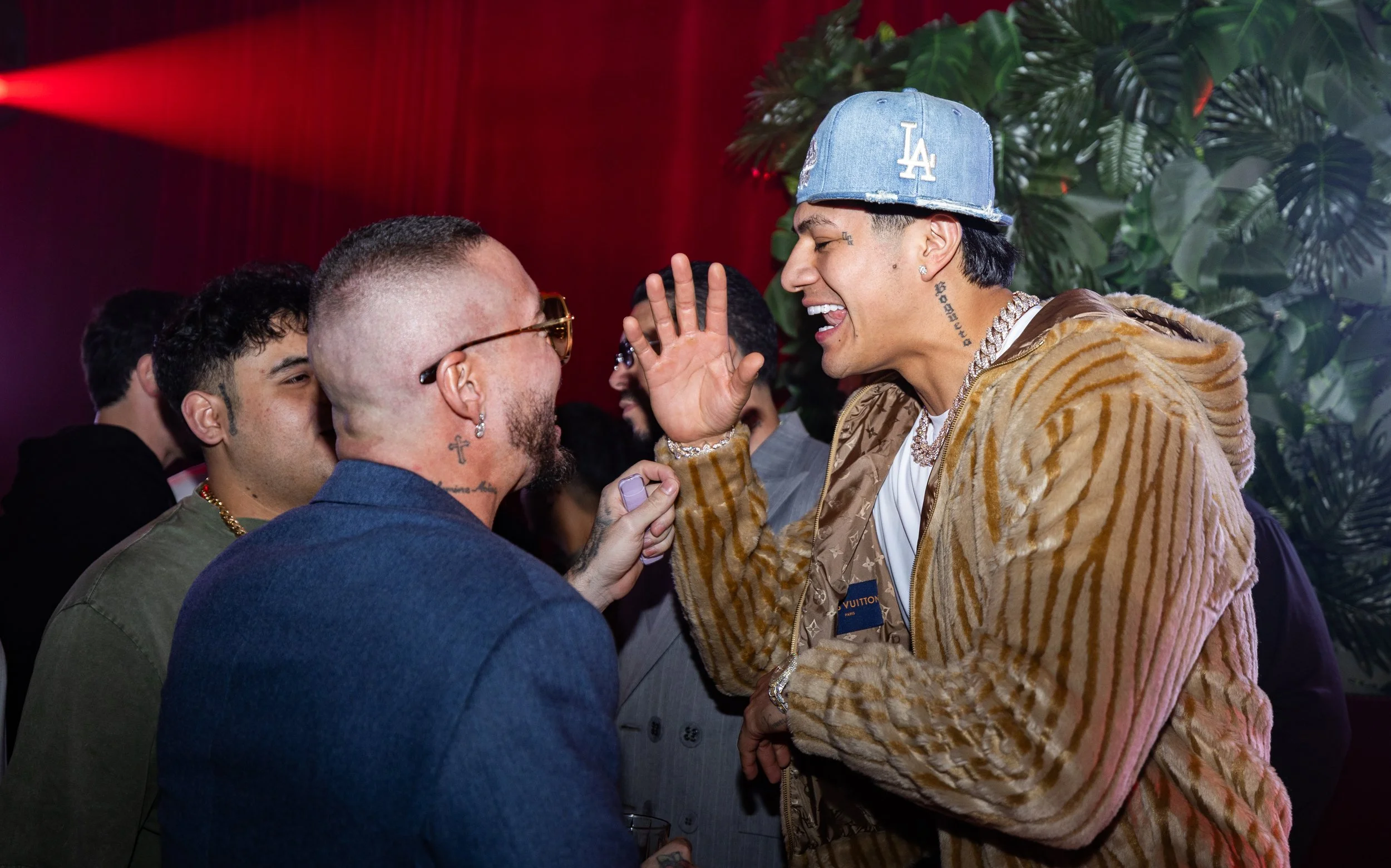
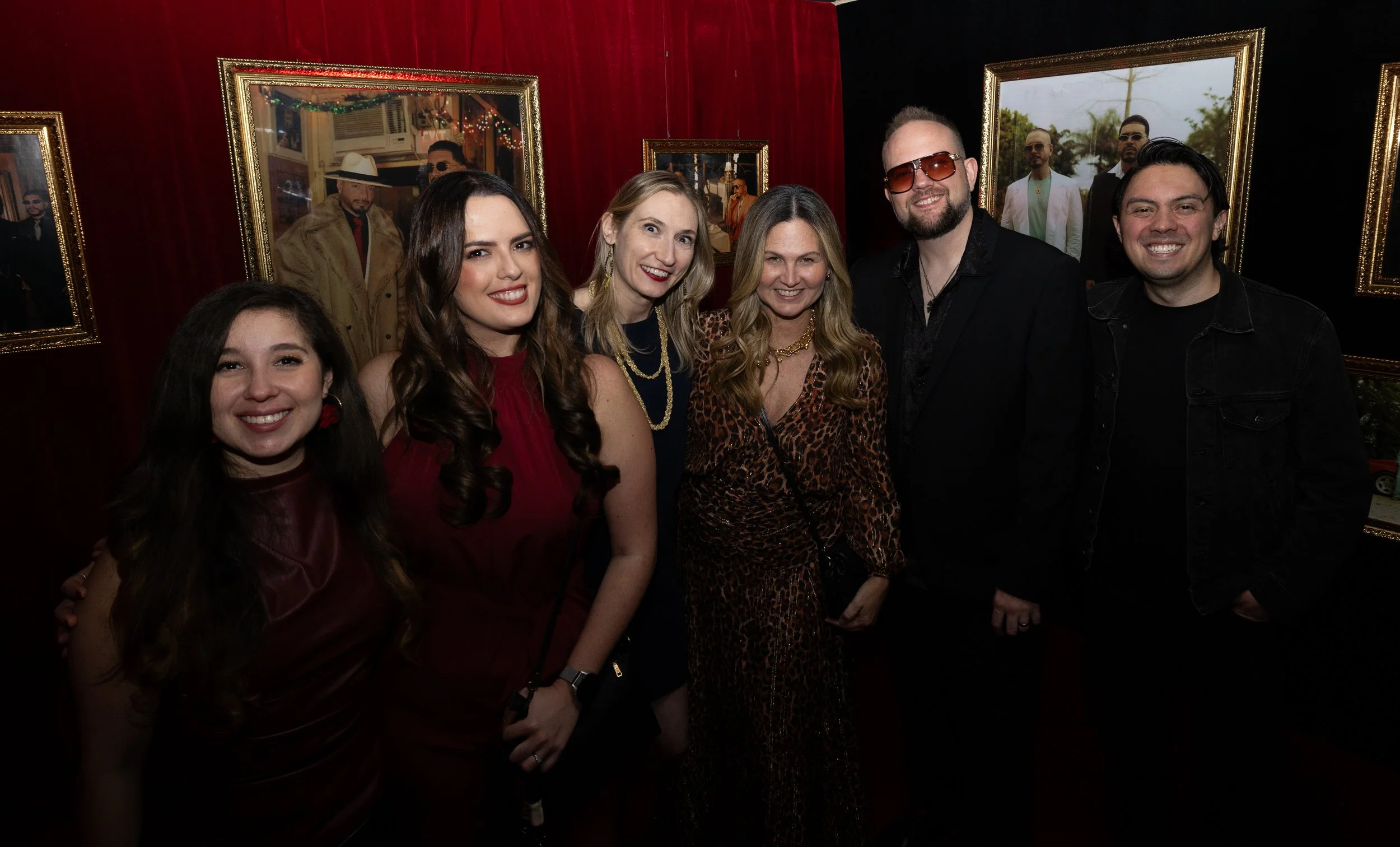
The campaign did not open with a tournament announcement. It opened in Mexico City, one of the most football-saturated cities on earth, where J. Balvin launched his Omerta album the same week he had two sold out stadium shows.
That was the cultural entry point. Music, football, Latin identity, and Motorola met in the right city, at the right moment, in the right room.
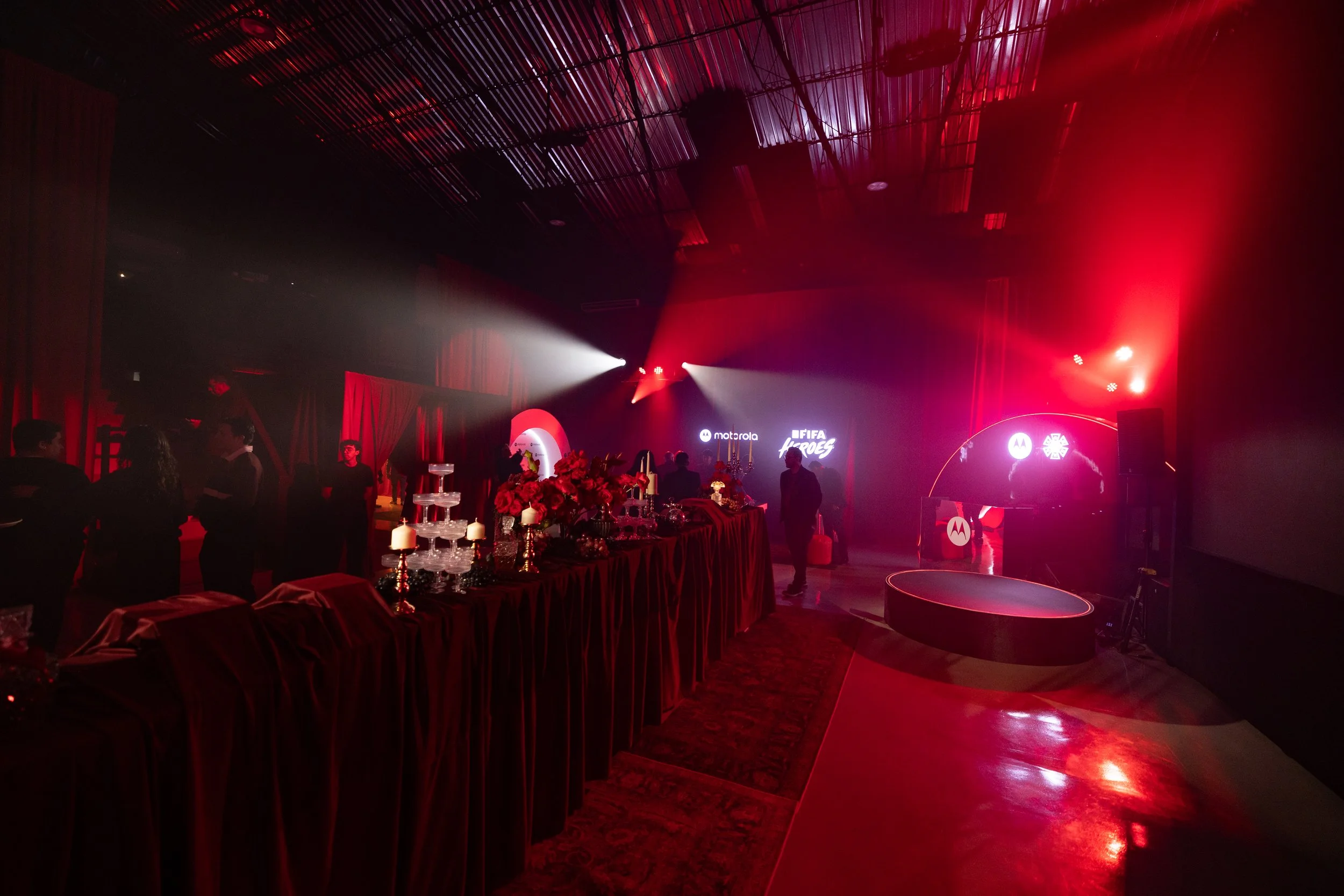
Omerta album launch, Mexico City: where the campaign first landed.
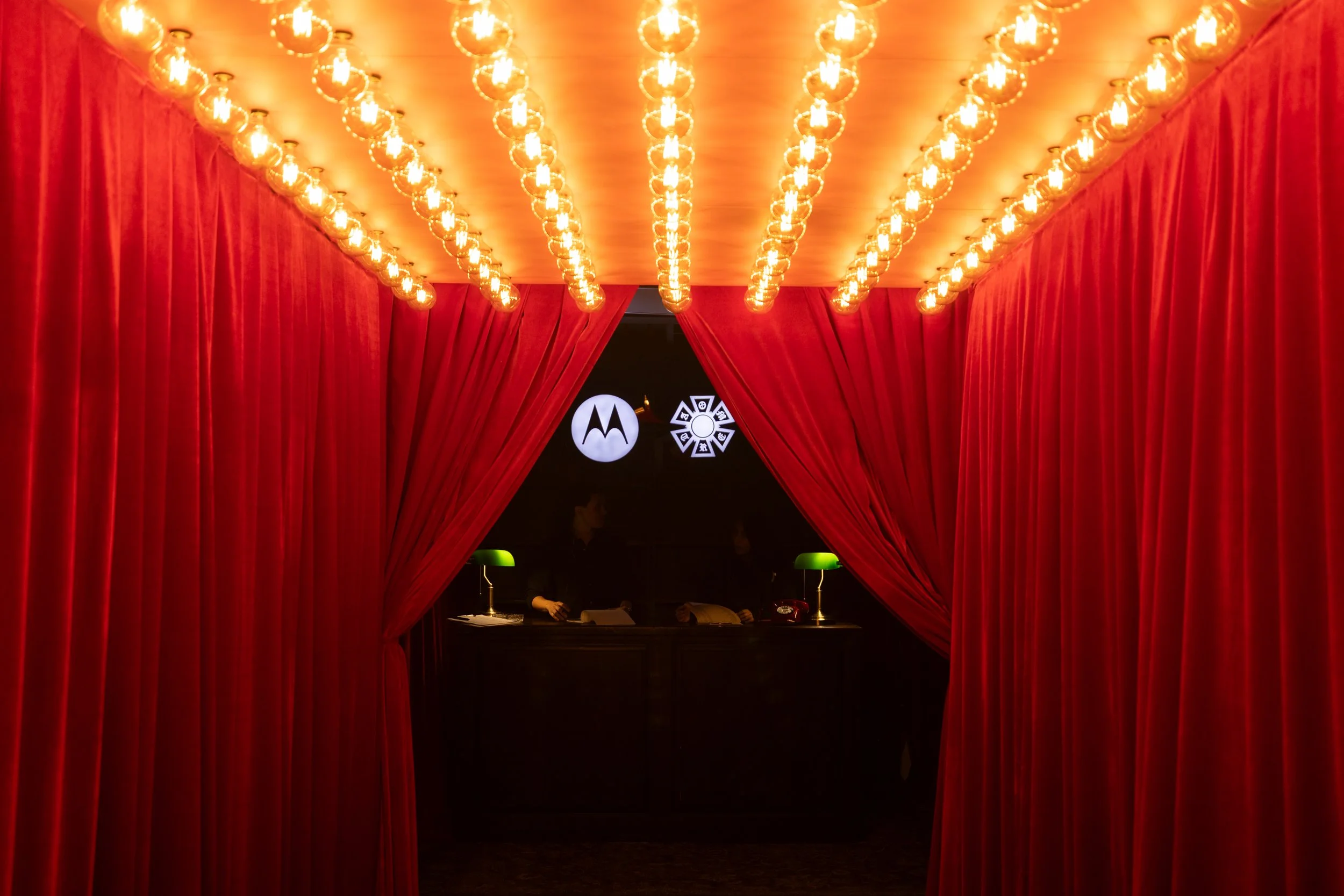
The Mexico City activation was not a press stunt. It was a cultural night with Motorola built into the experience. Media, creators, and tastemakers were not there to cover a brand partnership. They were there for Balvin, for the album, for the room, for the signal. Motorola was part of the story without forcing itself into the headline.
That's what made it work. It didn't feel bought. It felt earned.
Jugamos: The World Cup Campaign
Jugamos. Let's play.
Two words with the range to hold the whole idea. Play the game. Play the music. Play on the phone. Play as a fan. Play as part of something bigger than yourself.
For a generation that experiences football on the pitch, on screen, in clips, in games, in songs, and in conversation, Jugamos worked as more than a campaign line. It was an invitation.
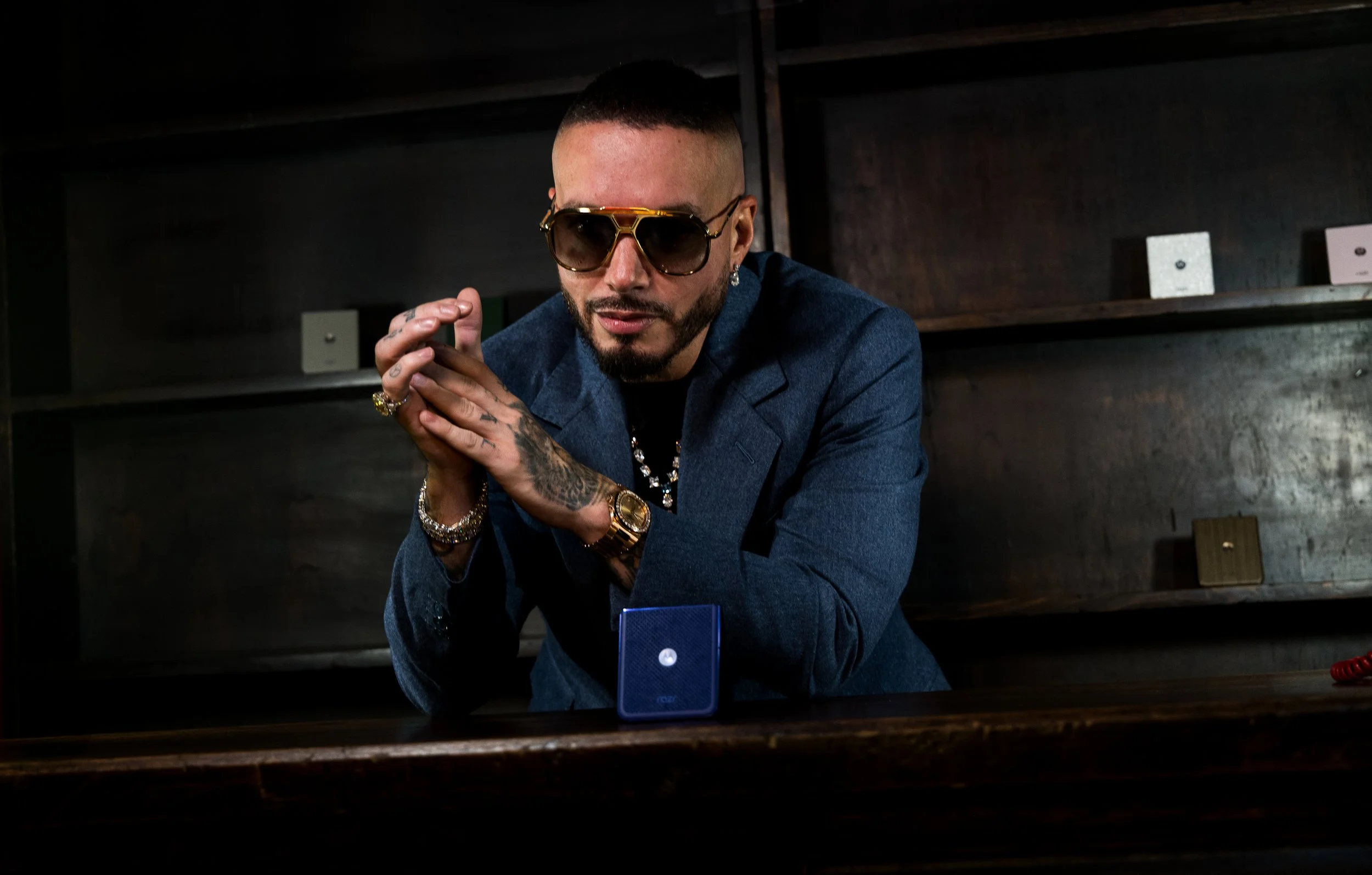
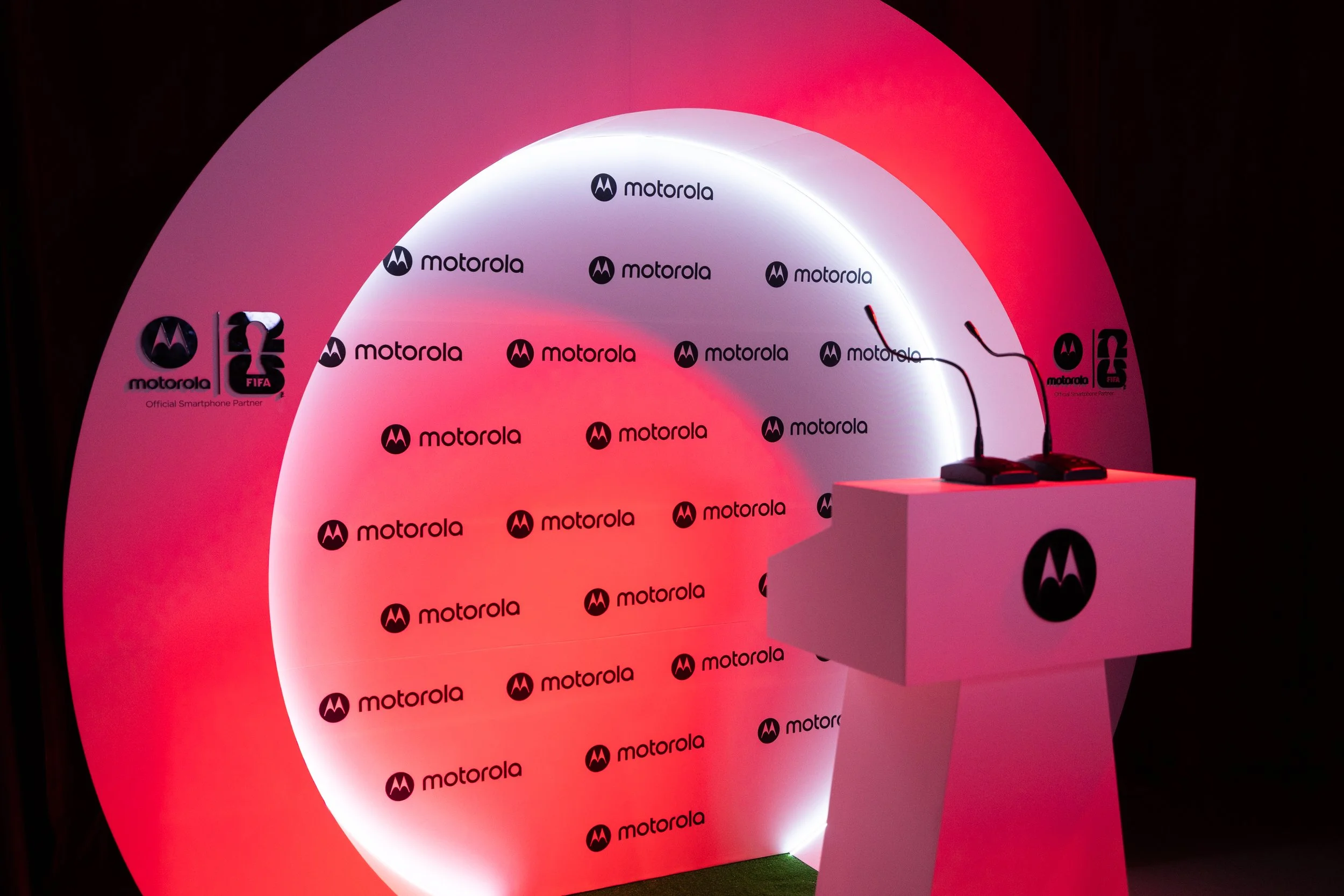
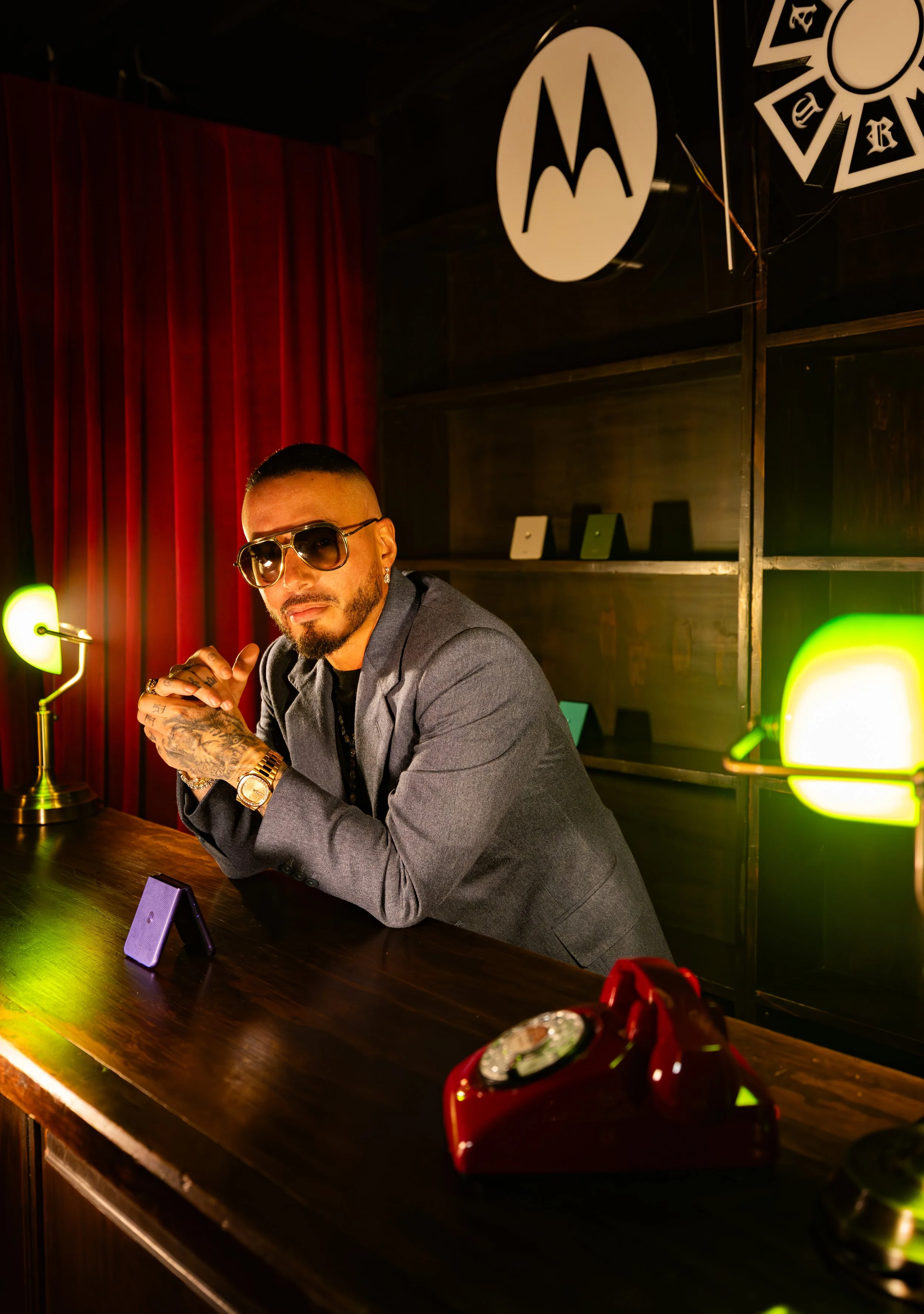
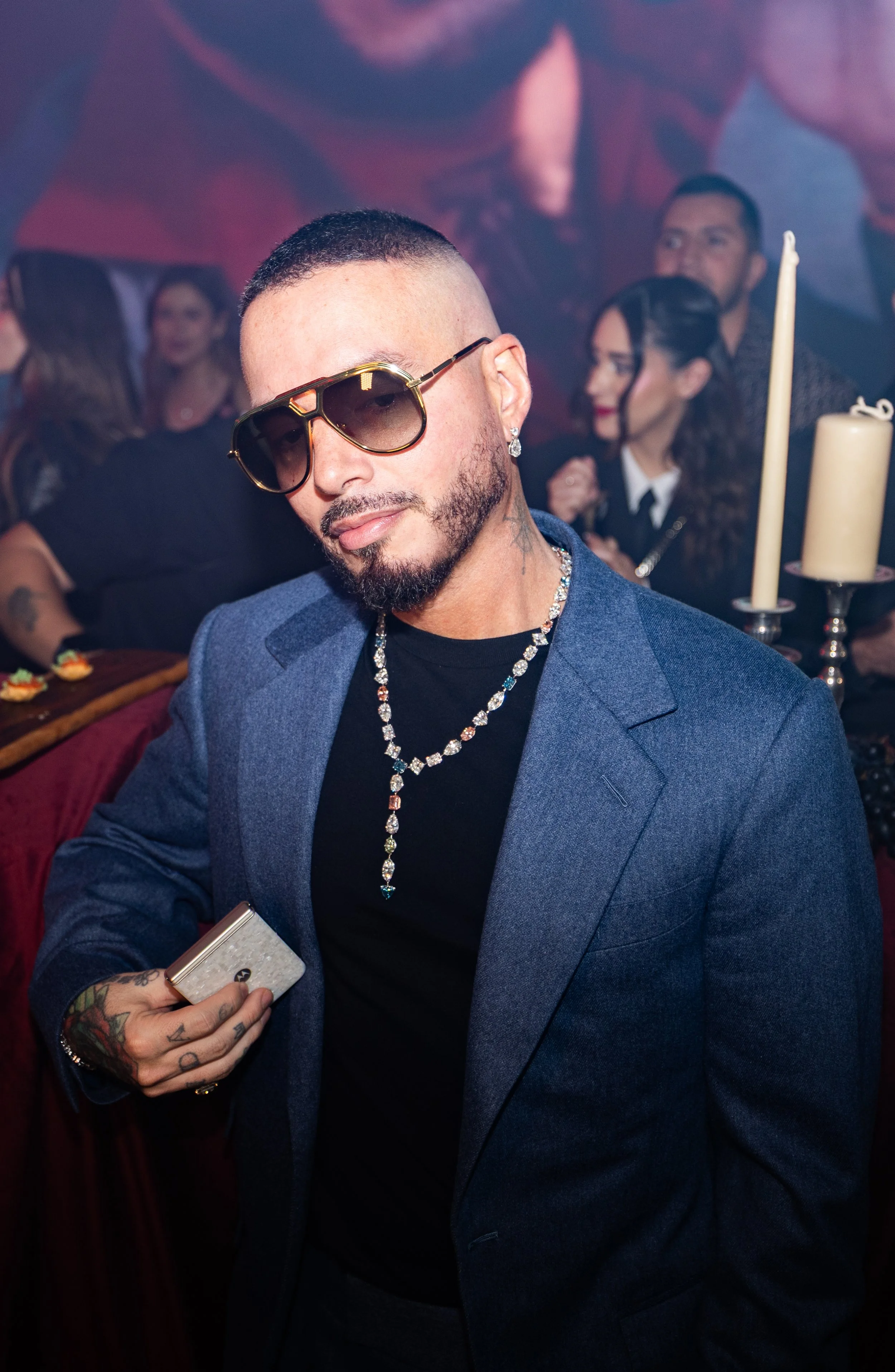
Across the campaign worlds, the visual language held one tension: intimacy at scale. Close product moments that felt personal, placed inside environments that felt massive. Motorola as the device in your hand when the biggest cultural event of the year is happening around you.

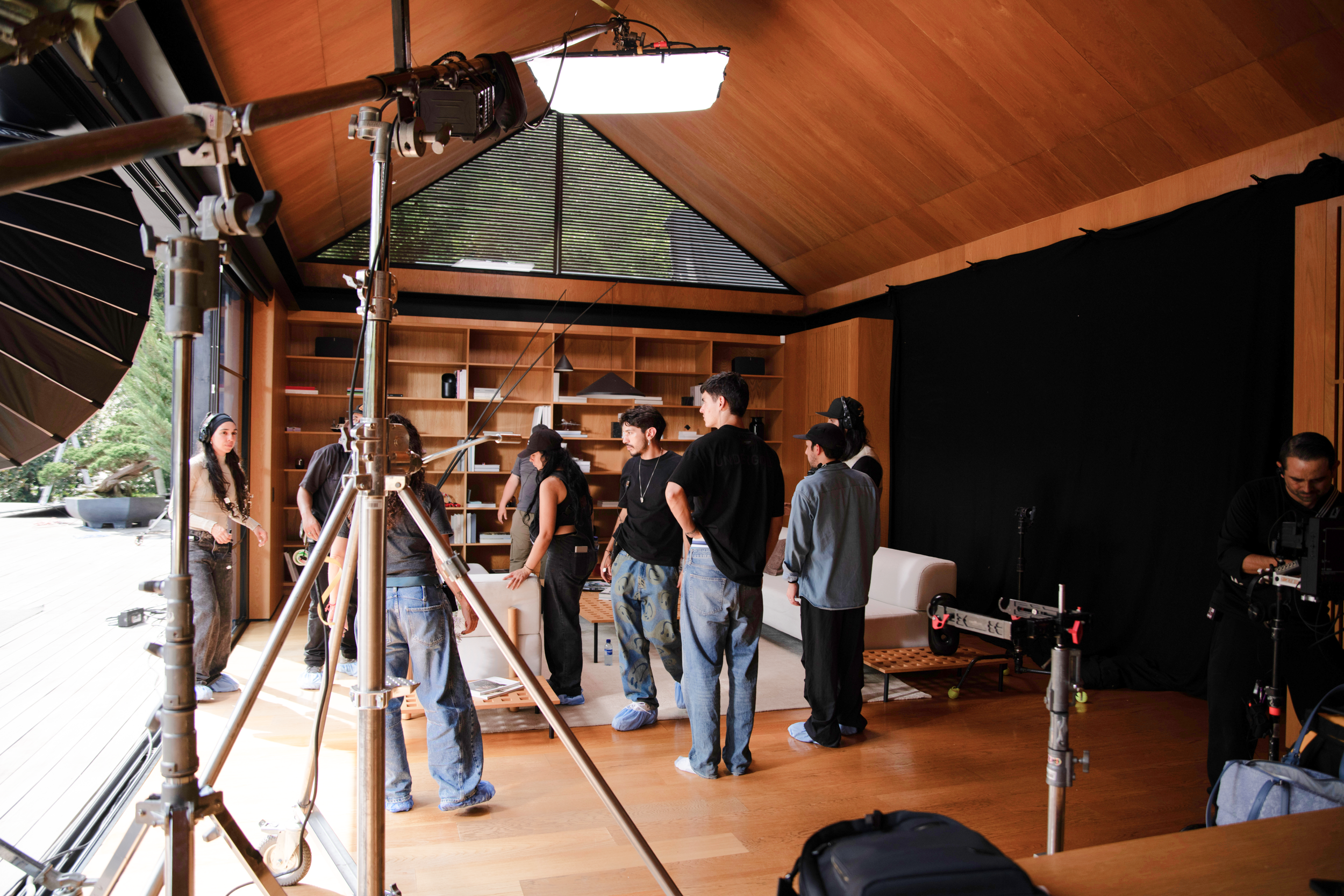
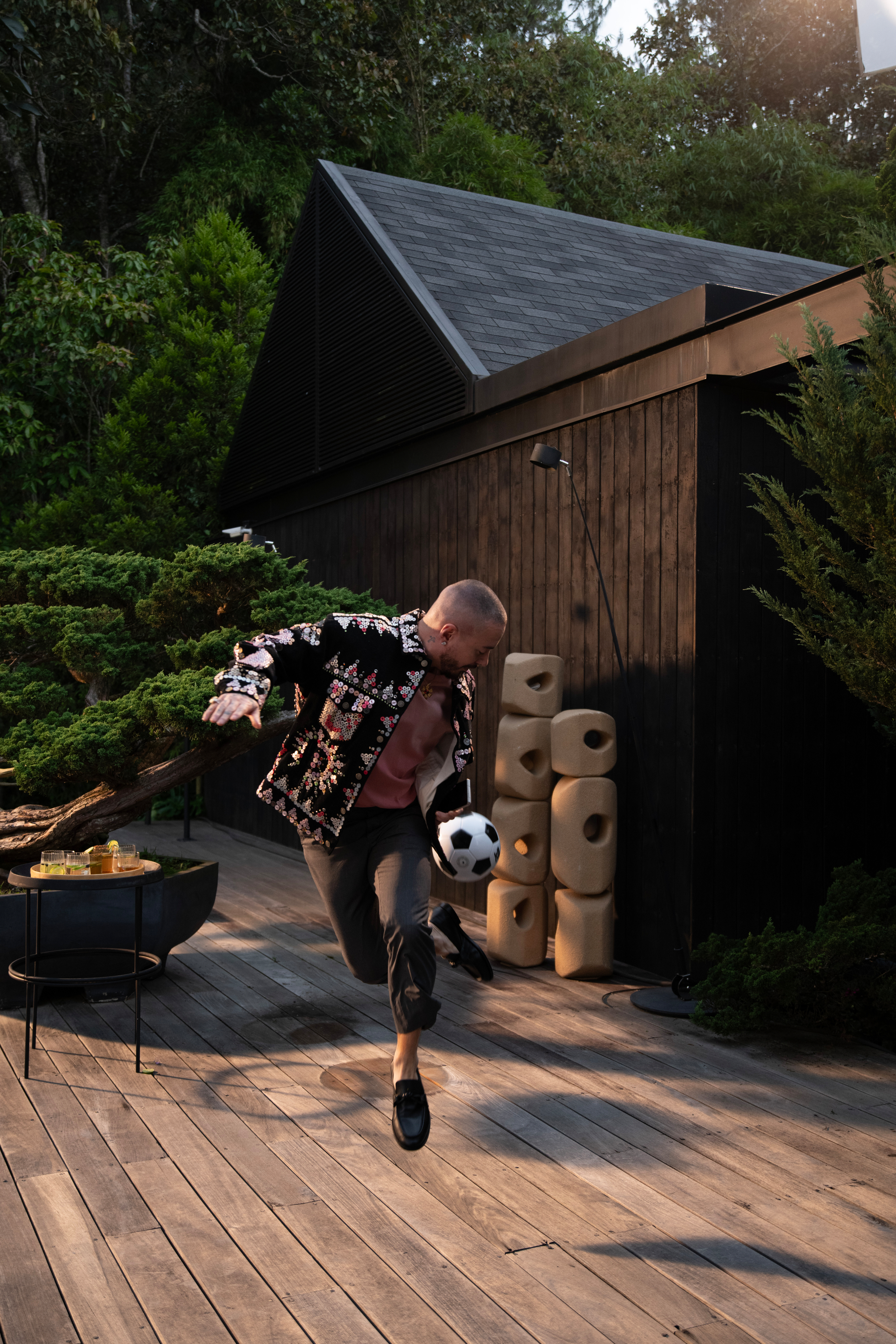
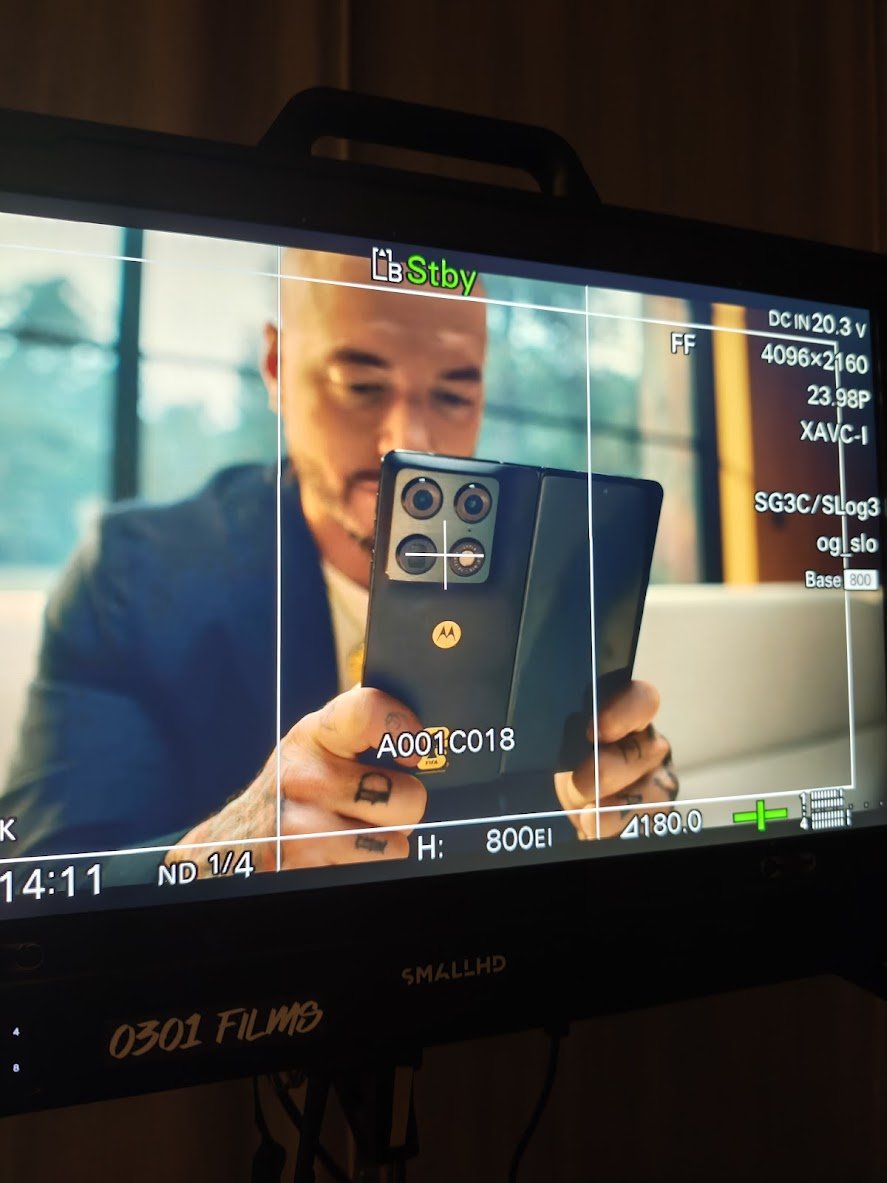
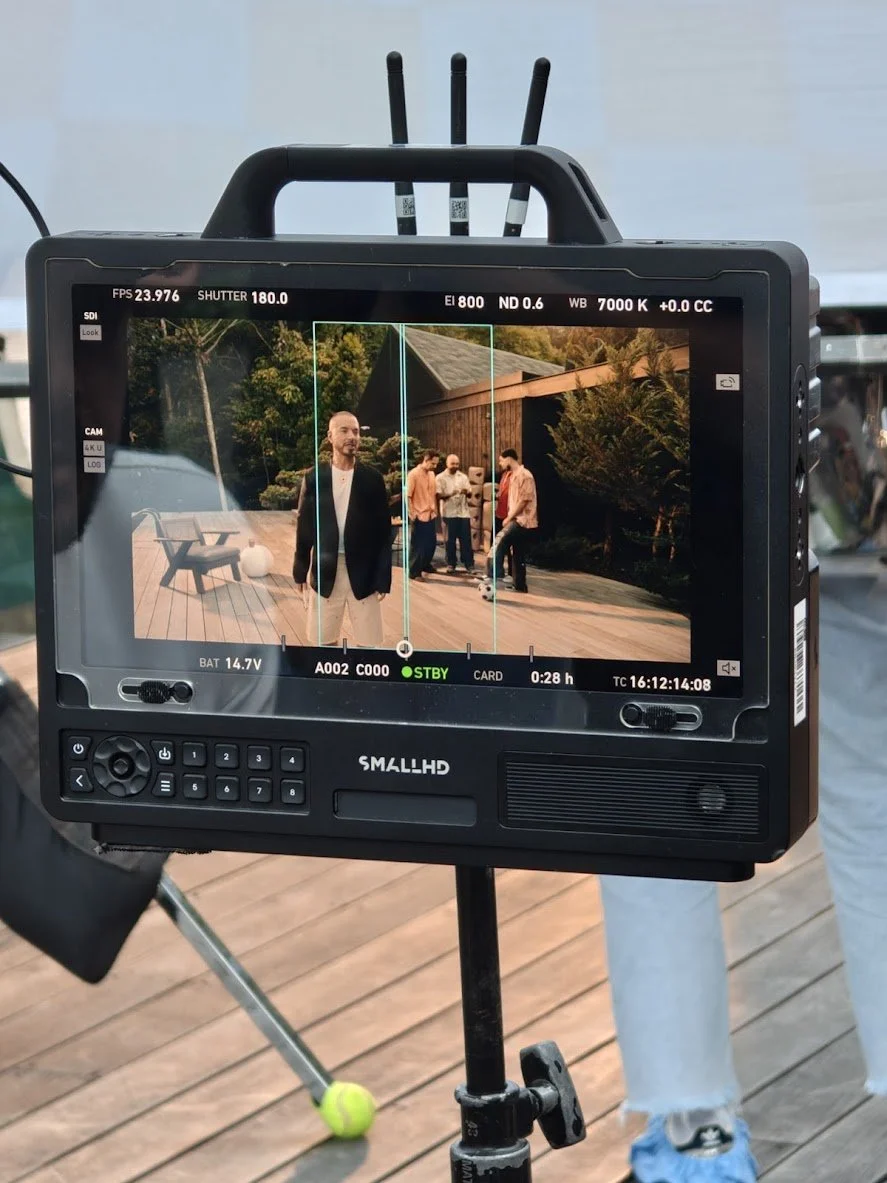
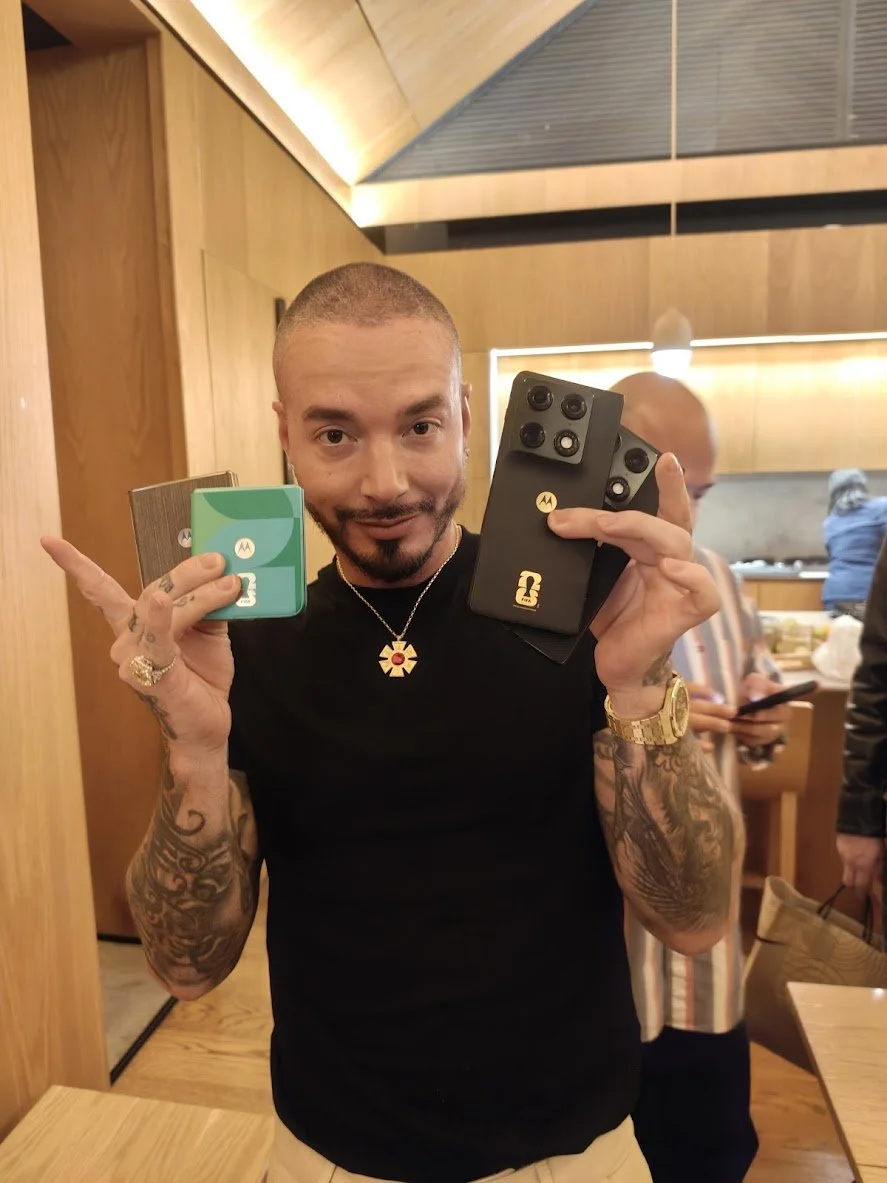
Across both campaign worlds, the visual language held a specific tension: intimacy at scale. Close-up product moments that felt personal, set inside environments that felt massive. Motorola as the device in your hand when the biggest cultural moment of the year is happening around you. That was the brief. The imagery delivered it.
The Move That Changed the Equation: FIFA Heroes
The most important strategic move grew out of the partnership conversations: J. Balvin became a playable character in FIFA Heroes.
That changed the reach architecture of the campaign. A media buy can put a brand near football culture. A playable character puts the partnership inside the game fans return to every day.
It connected the physical campaign, the music release, the World Cup platform, and the gaming world into one ecosystem. Motorola was no longer advertising around football culture. It was participating in it.
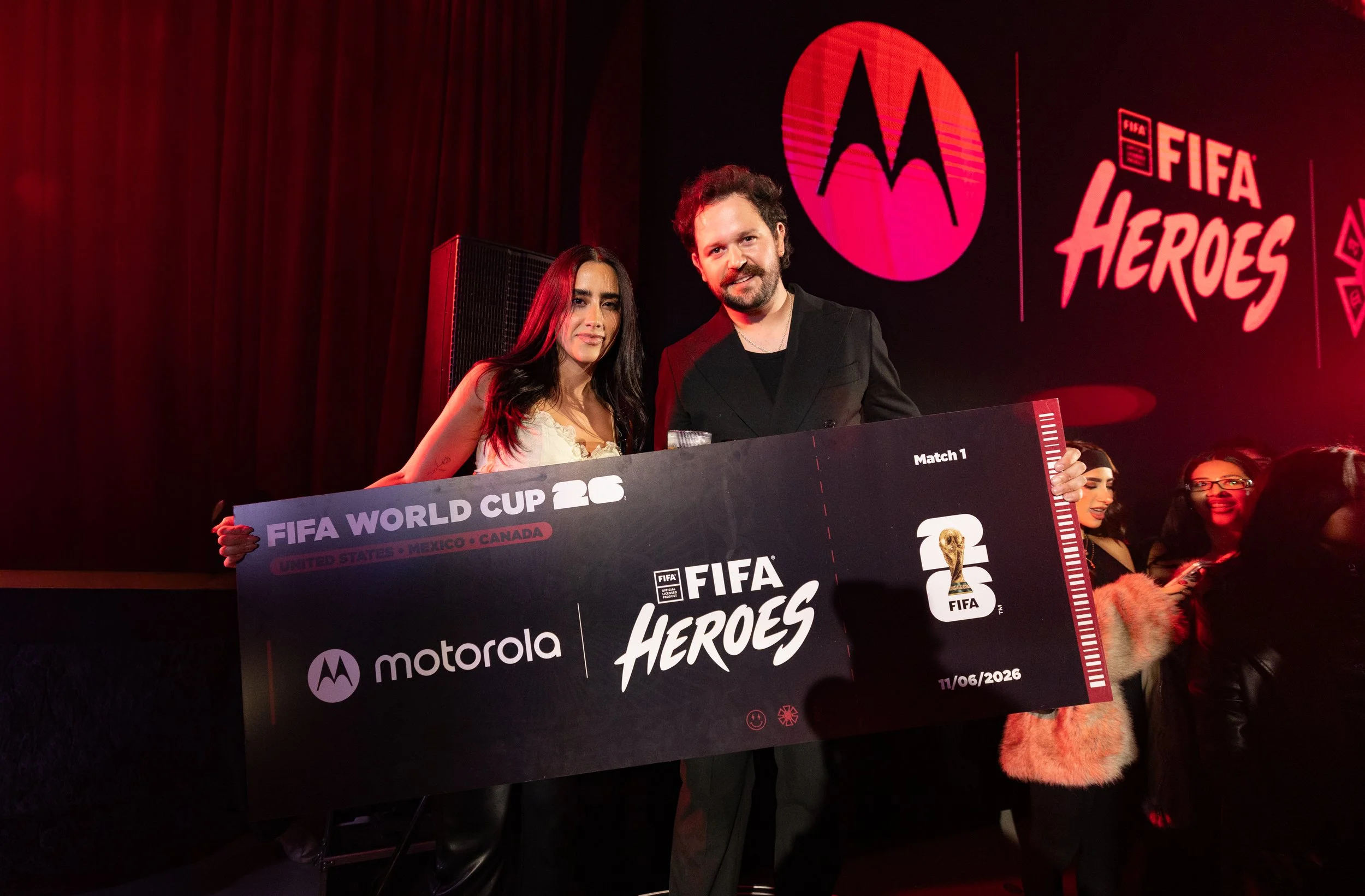
We extended that sense of belonging into the real world. A few lucky winners received tickets to the opening ceremony and Match 1 in Mexico City, putting Motorola customers inside one of the biggest football moments of the decade.
“The best partnerships make a brand inseparable from how a cultural moment is remembered.”
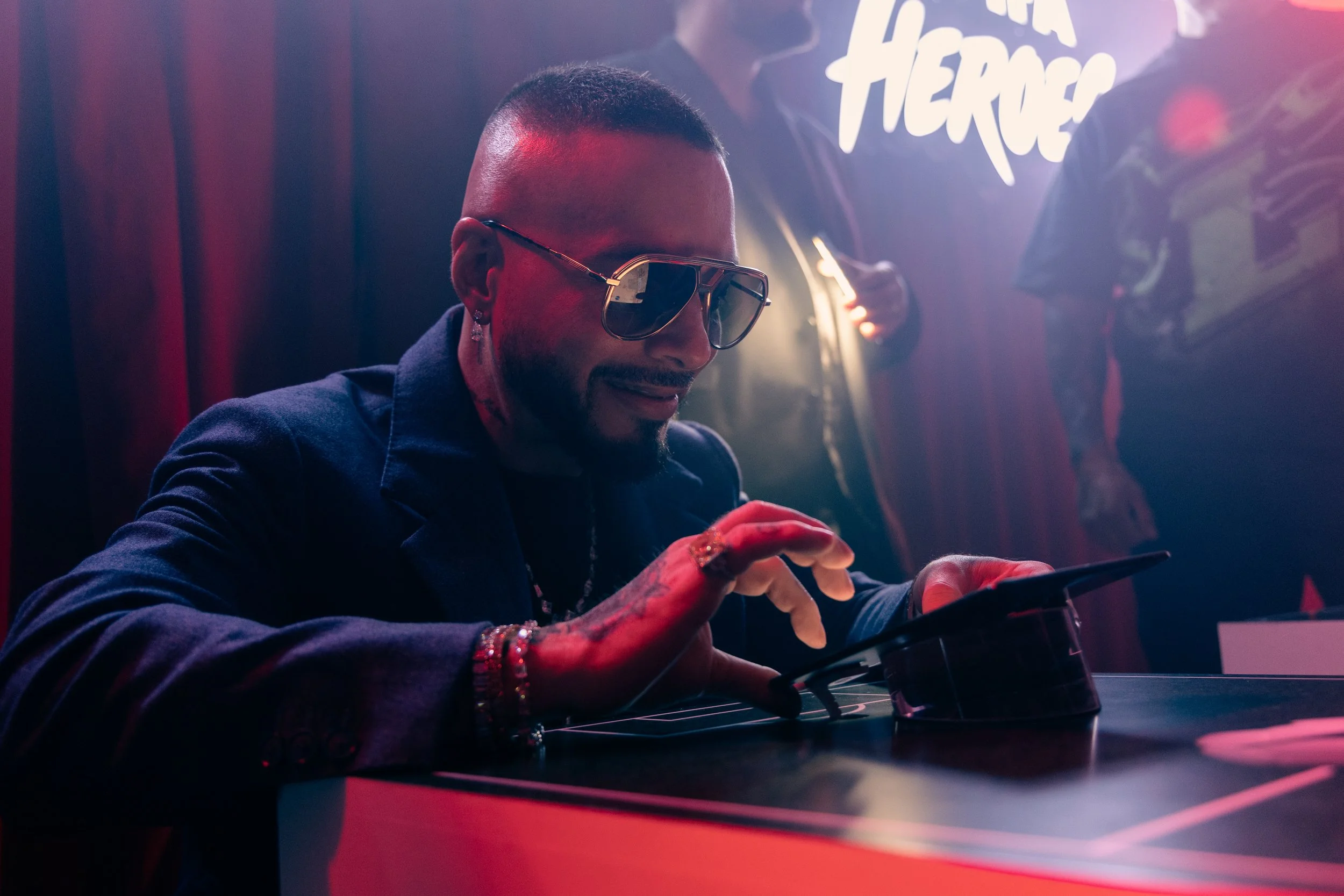
World Cup Opening Ceremony
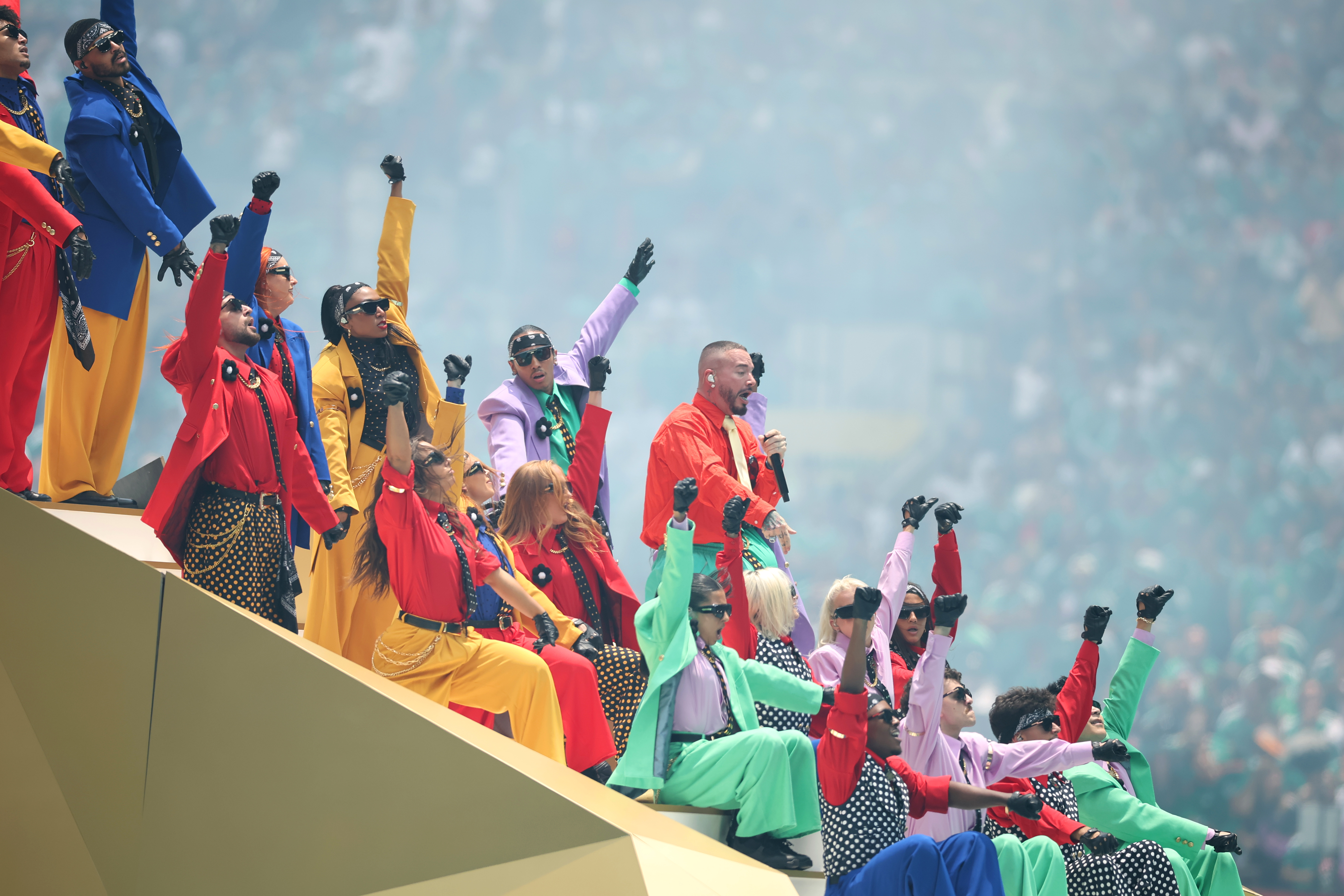
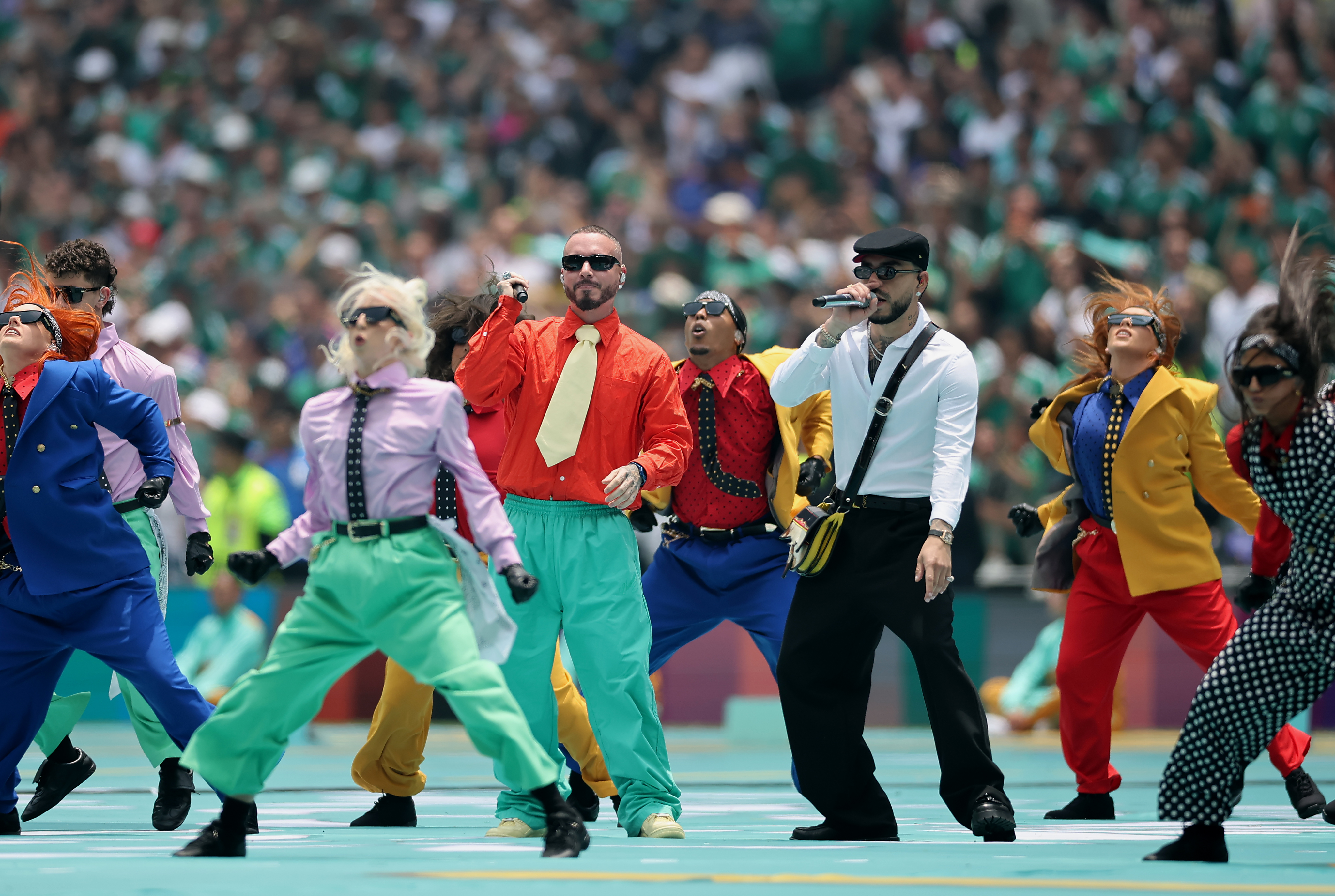
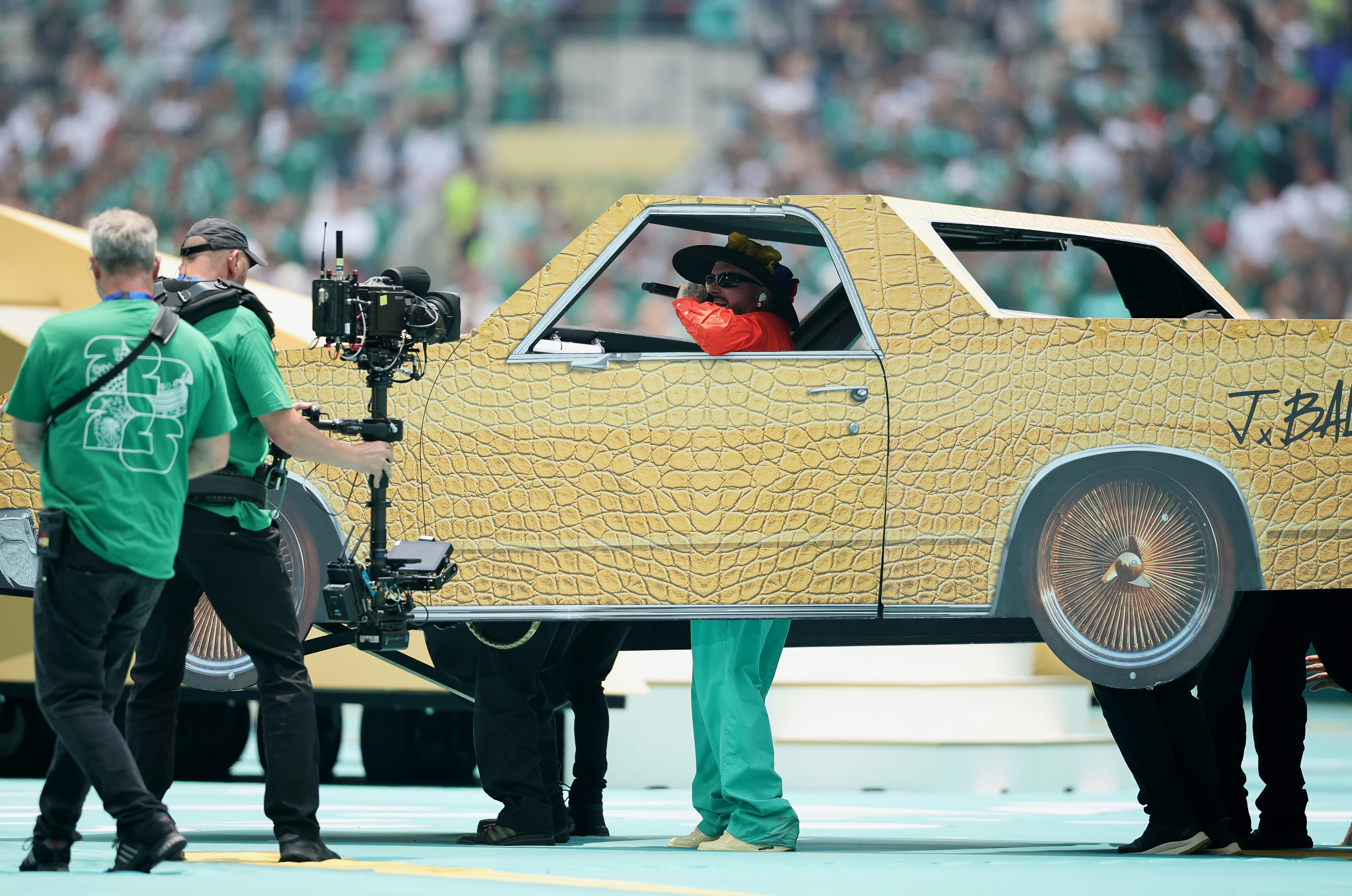
The opening ceremony was the gravitational center. When J. Balvin took the stage, the world was watching. Everything leading up to it, from Omerta to Jugamos to FIFA Heroes, was built to gather meaning before that moment and move with him when the spotlight arrived.
That is how earned media works when the planning is right. You do not chase the moment. You position the brand so the moment pulls the work forward.
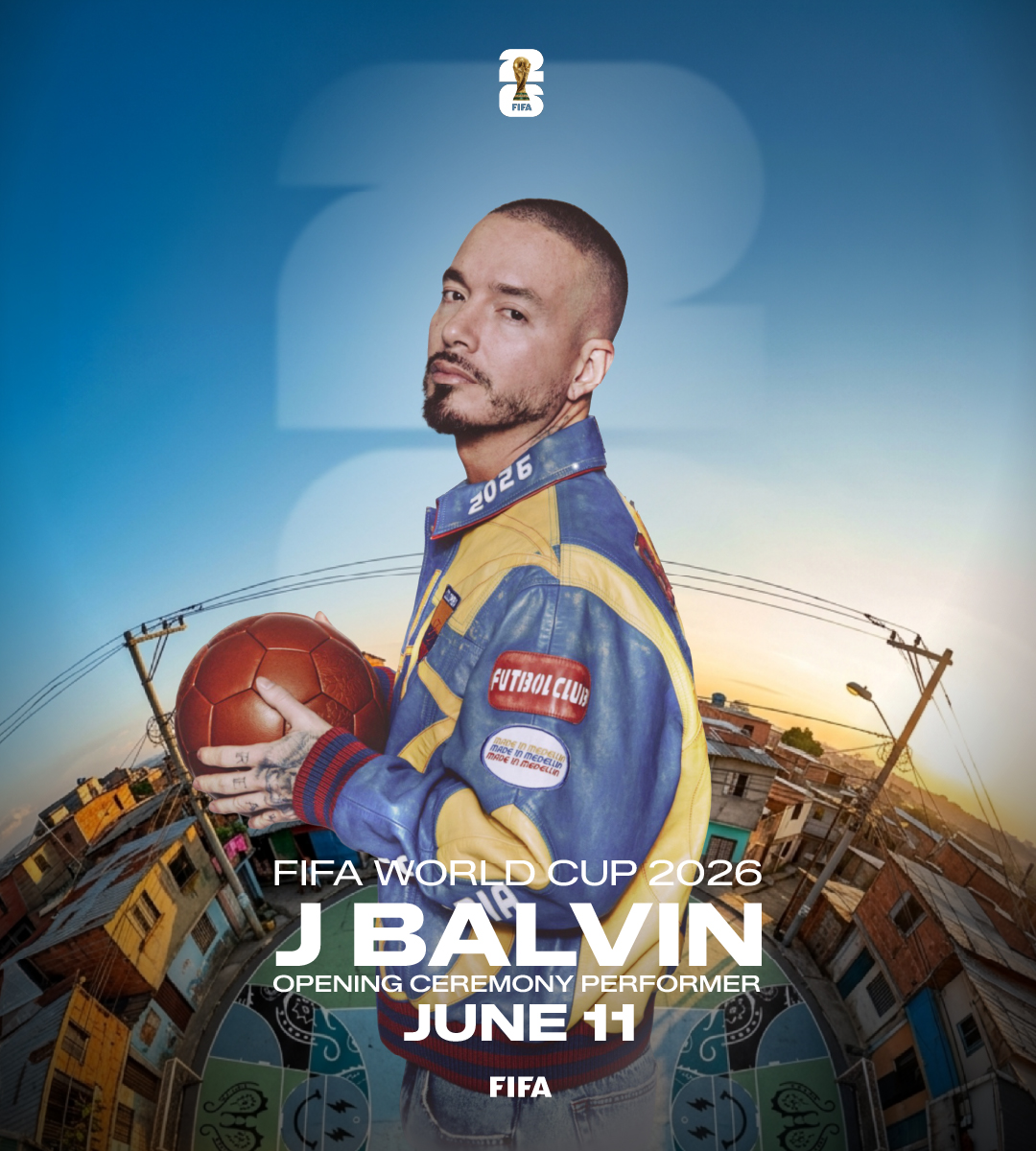
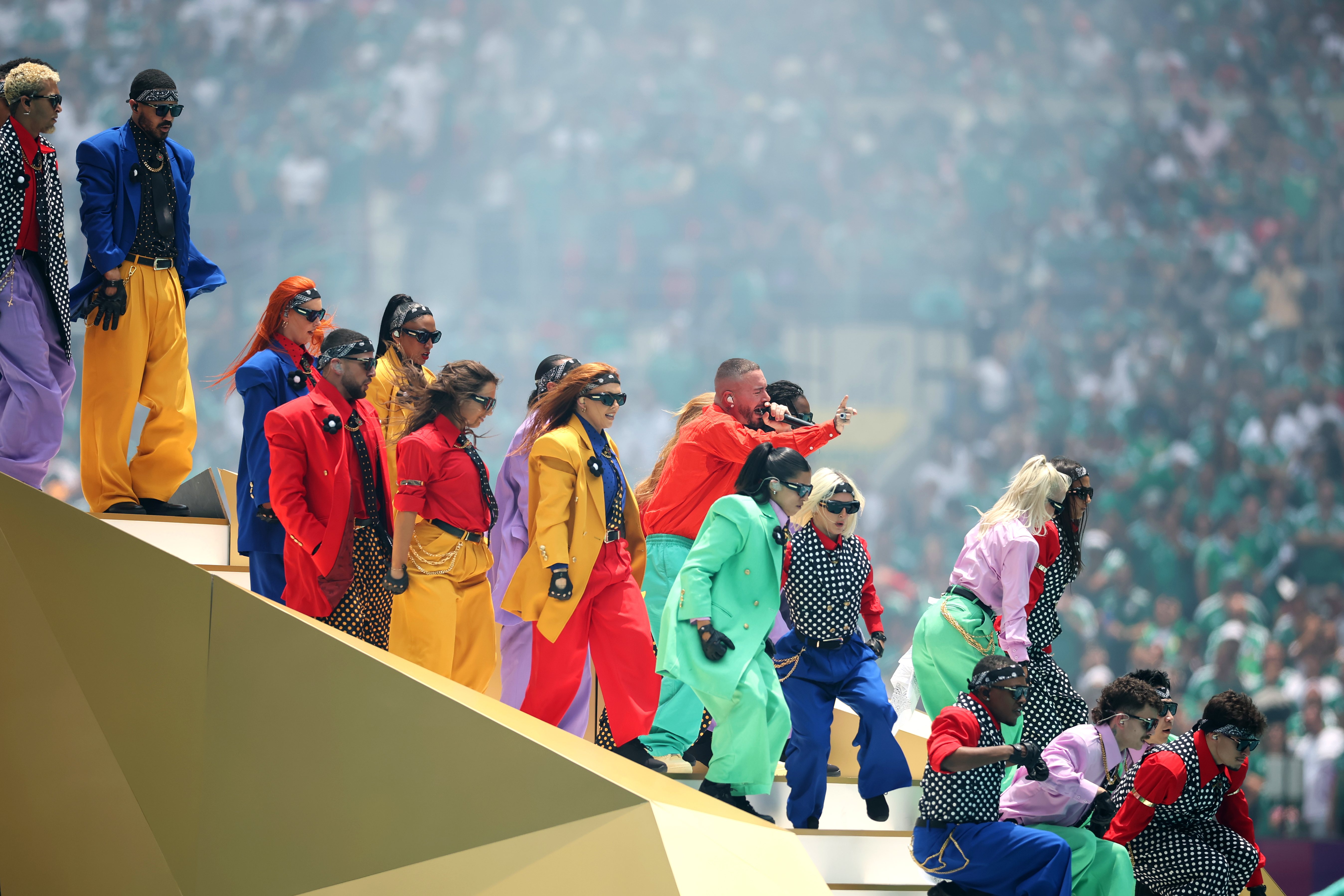
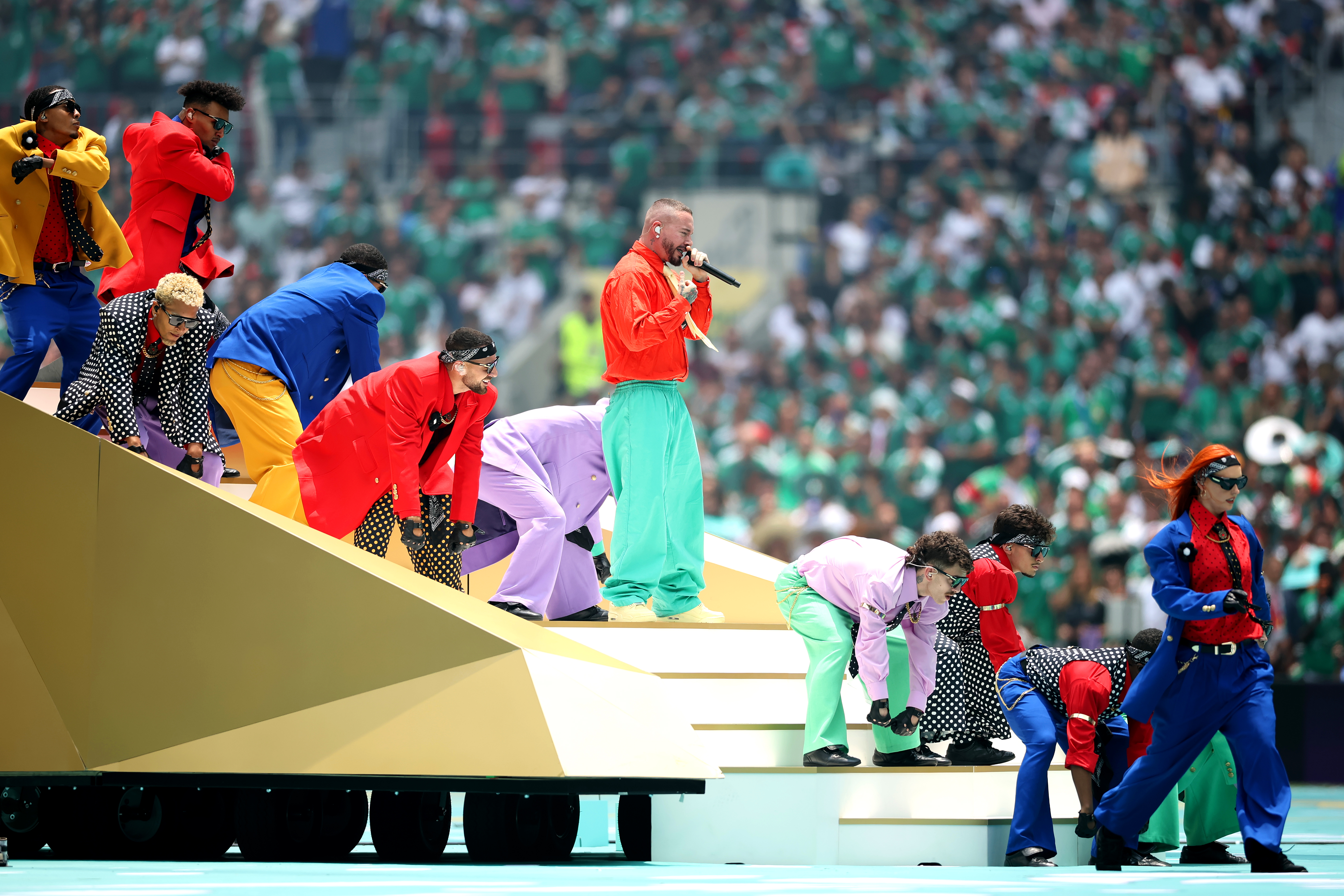
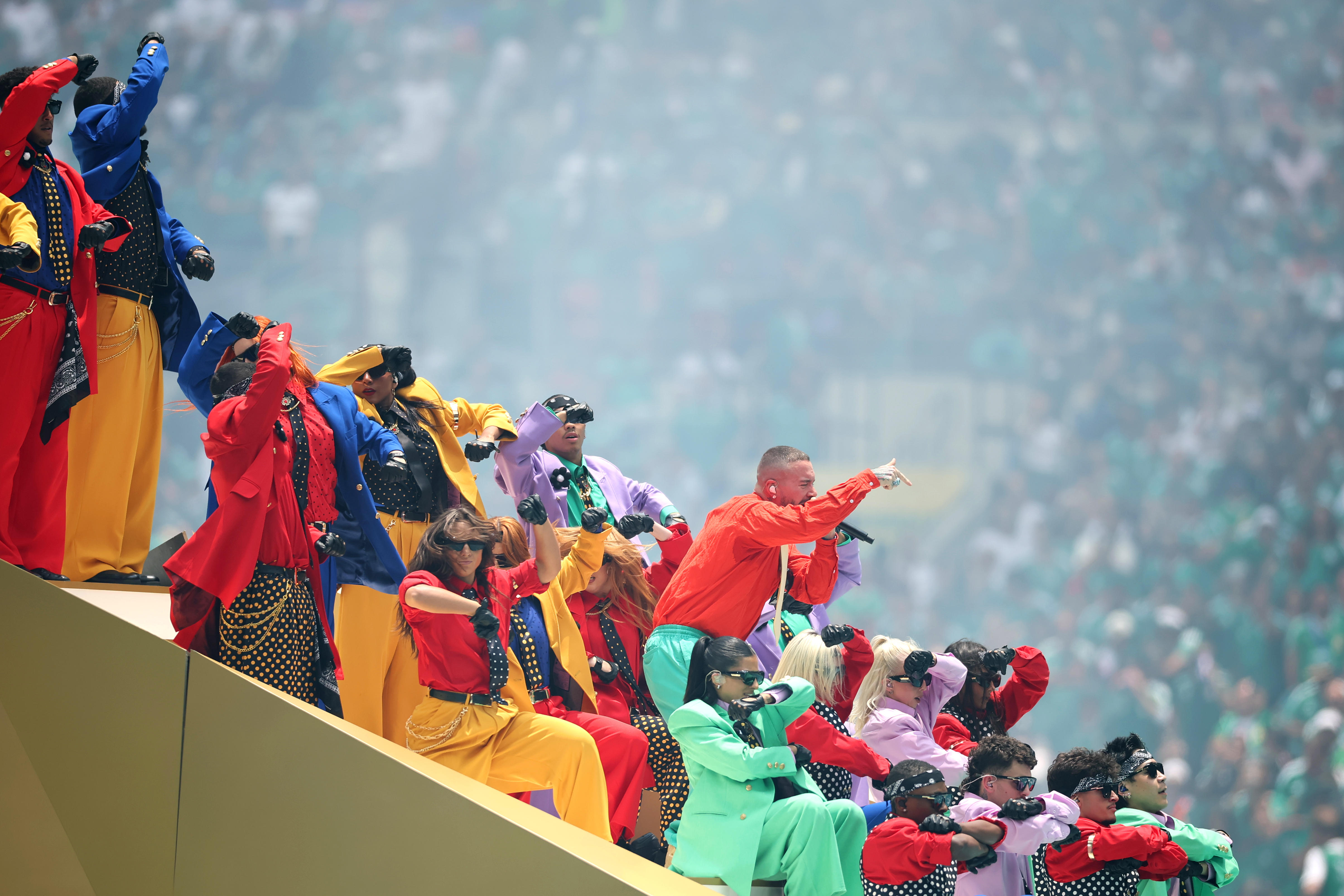
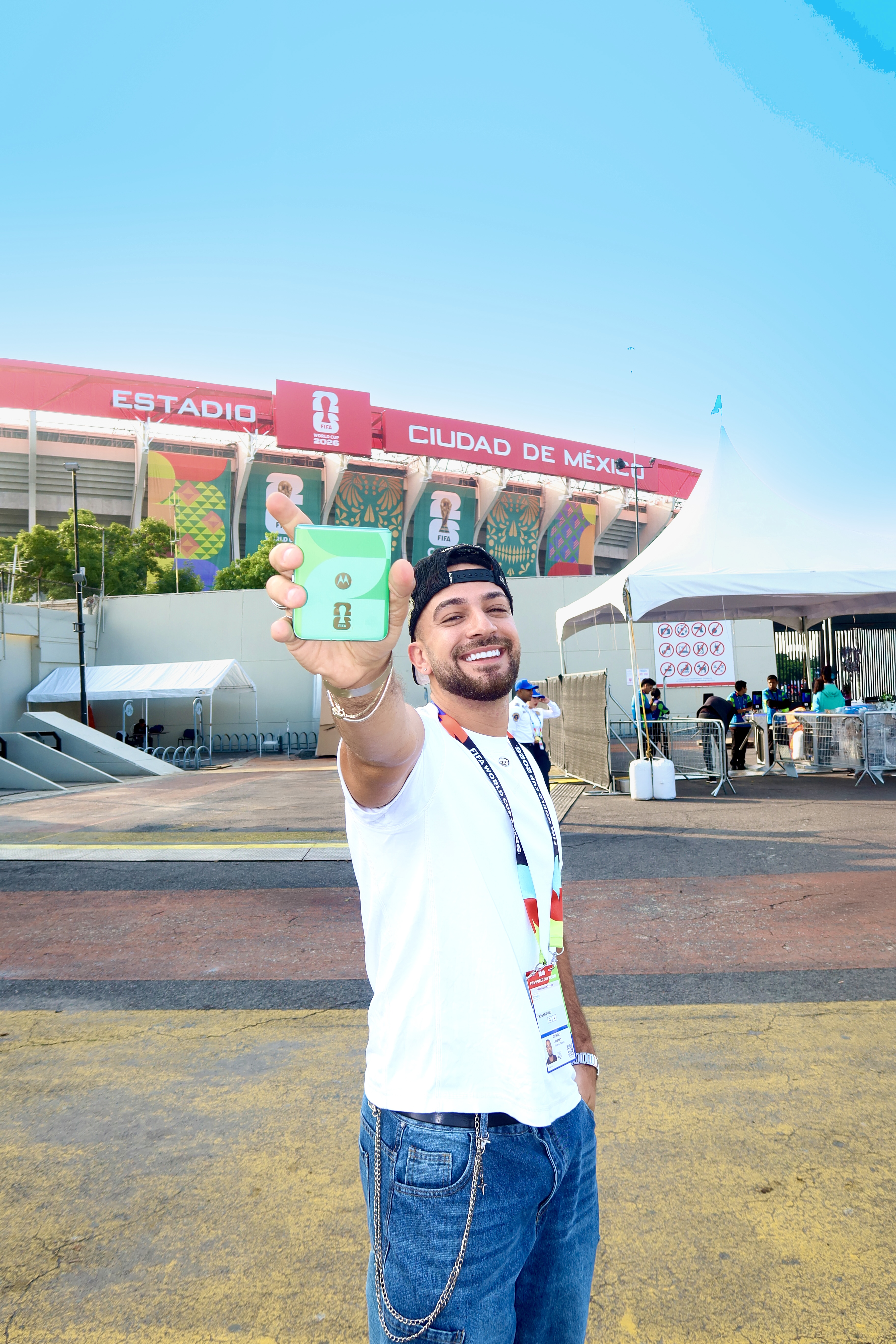
Captured on a Razr
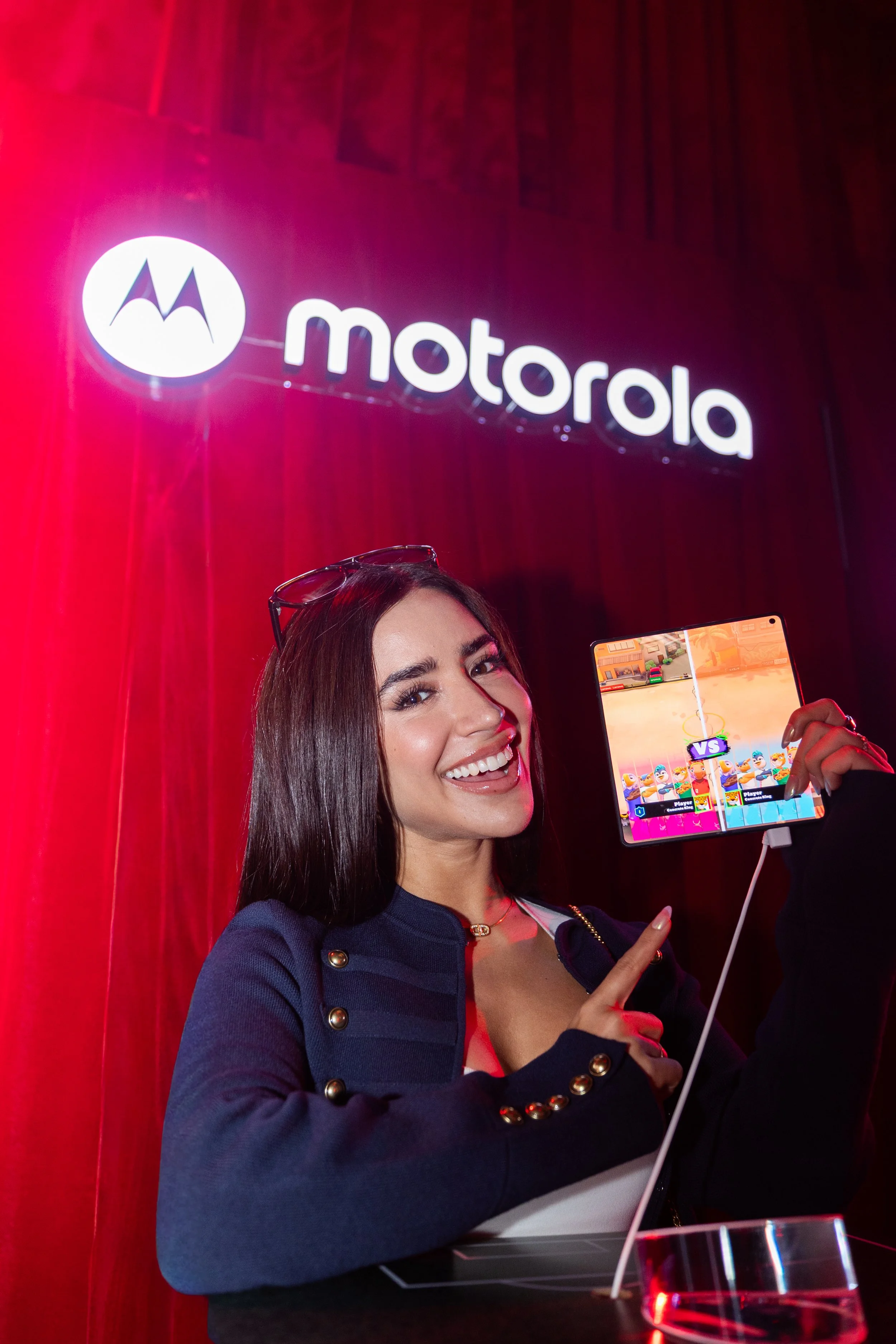
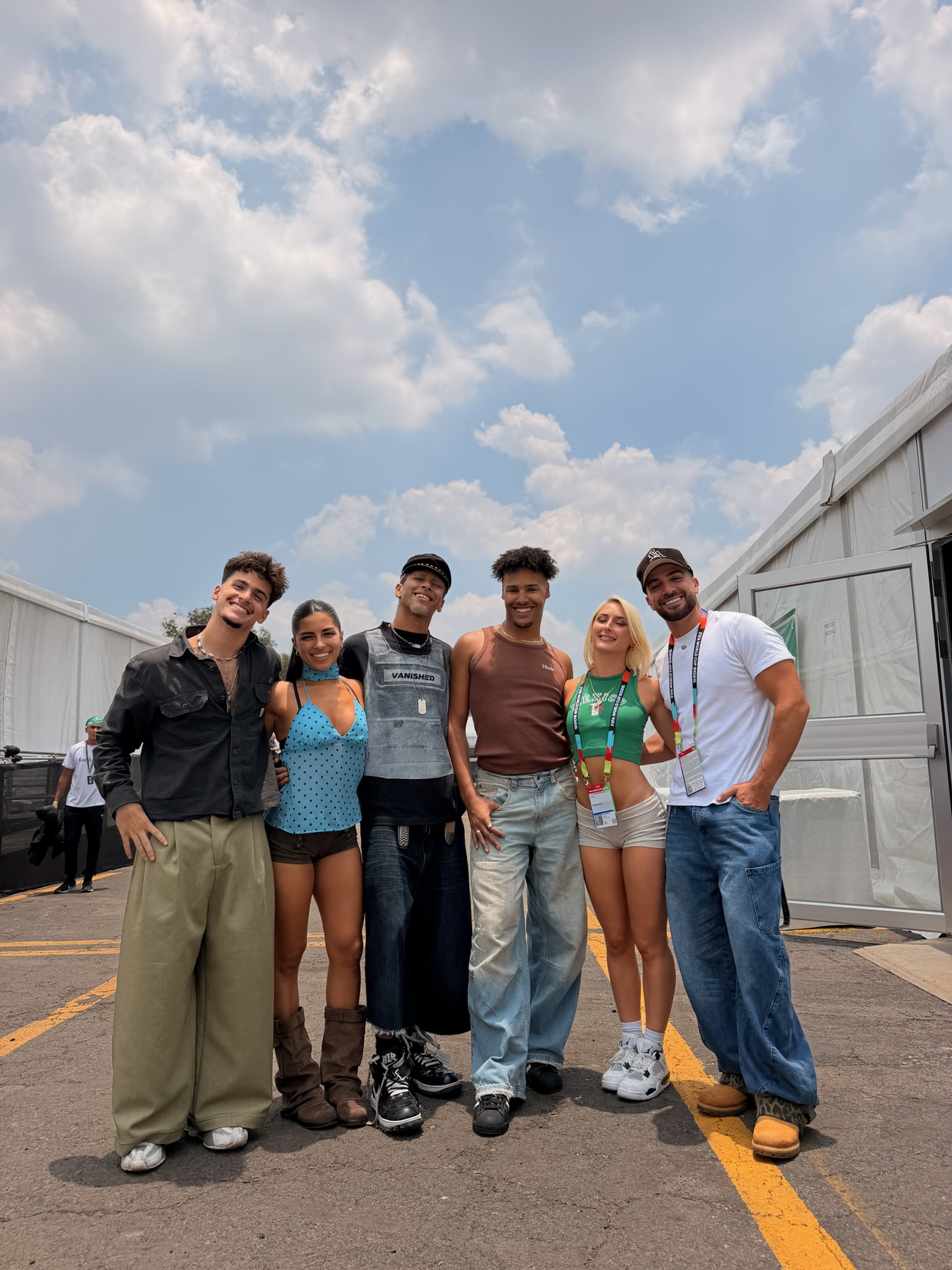
To document the lead-up, we embedded a creator/dancer on the ground shooting exclusively on the Motorola Razr. No large crew. No heavy production setup. Just the phone, the moment, and someone who knew how to find the story.
What the Numbers Reflect
91 media placements and 6.6 million impressions in the first week.
The numbers matter, but they are the result rather than the whole story. They show what happens when a brand earns cultural relevance instead of buying adjacency. Coverage that feels like news moves differently from coverage that feels like advertising. It travels farther, with more credibility attached.
For Motorola, the campaign proved a useful model: credibility in Latin football culture does not come from showing up at the event. It comes from participating in the culture around it.
The World Cup gave us the context. J. Balvin gave us the fluency. The strategy gave Motorola a way to make both matter.
The framework: Find the cultural figure who already moves between the worlds your brand needs to enter. Build around their world, not around your own brand architecture. Then go deeper than the expected sponsorship layer: into music, gaming, live moments, fan access, and the places no standard brief would have sent you.
