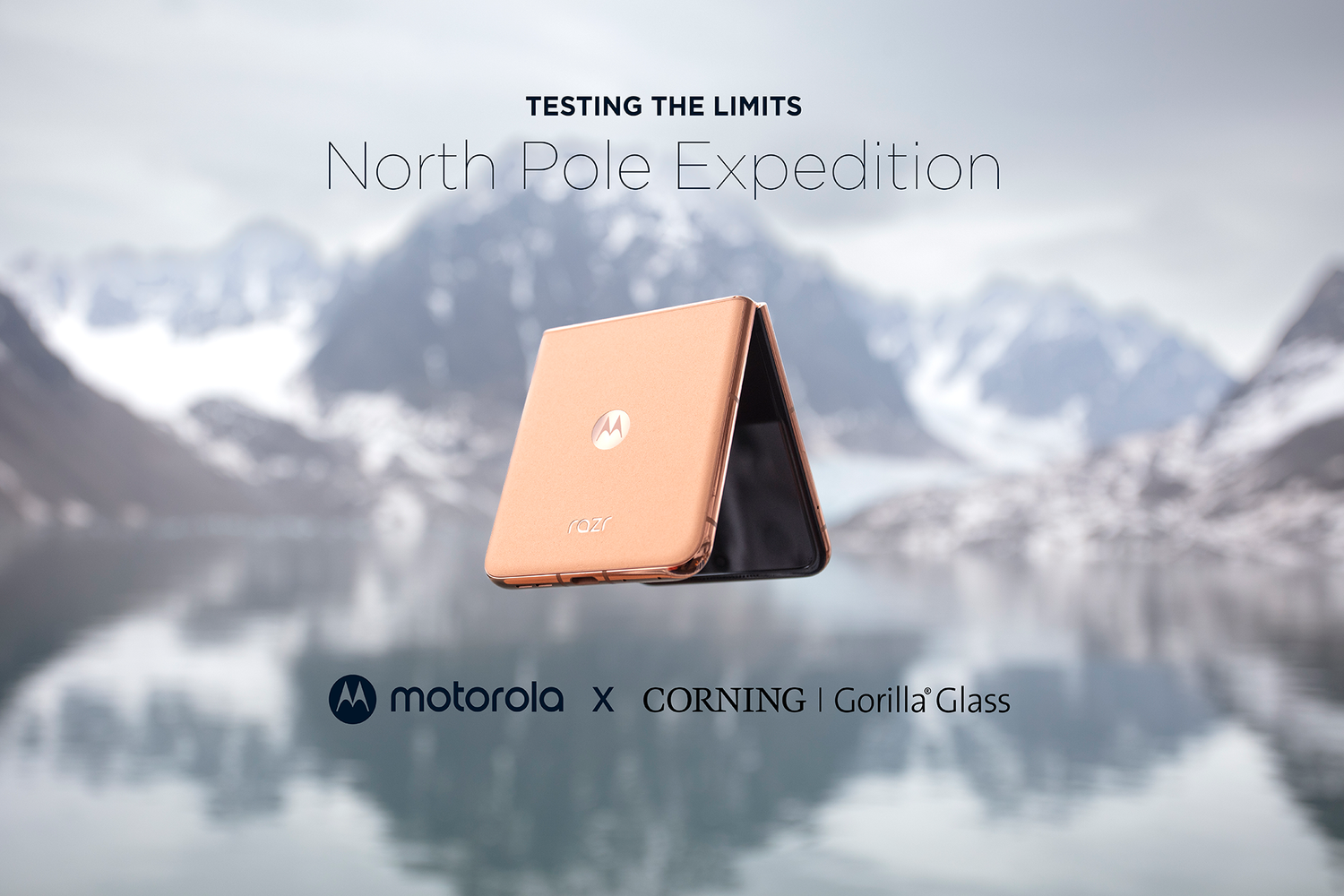
Proof Over Claim
Gorilla Glass is in over 2.5 billion devices. It is one of the most consequential material innovations in the history of consumer technology. Most people have no idea it exists. That anonymity is a communication failure. The material does its job so well that users never notice it. The campaign's task was to make people notice without manufacturing drama, by finding the most extreme environment on earth and going there.
Tech brands talk about durability constantly. Drop tests, scratch resistance, certification ratings. The language is technical and the imagery is sterile. Audiences tune it out. Watching a real person, in a genuinely dangerous place, rely on a device as if their life depends on it, is harder to dismiss. That's a story.
Strategic Frame
The brief was to make Motorola's commitment to engineering feel tangible. The North Pole was the only honest answer to the question: where does durability actually matter? When the setting is real, the proof is real. That's the difference between a claim and a demonstration.
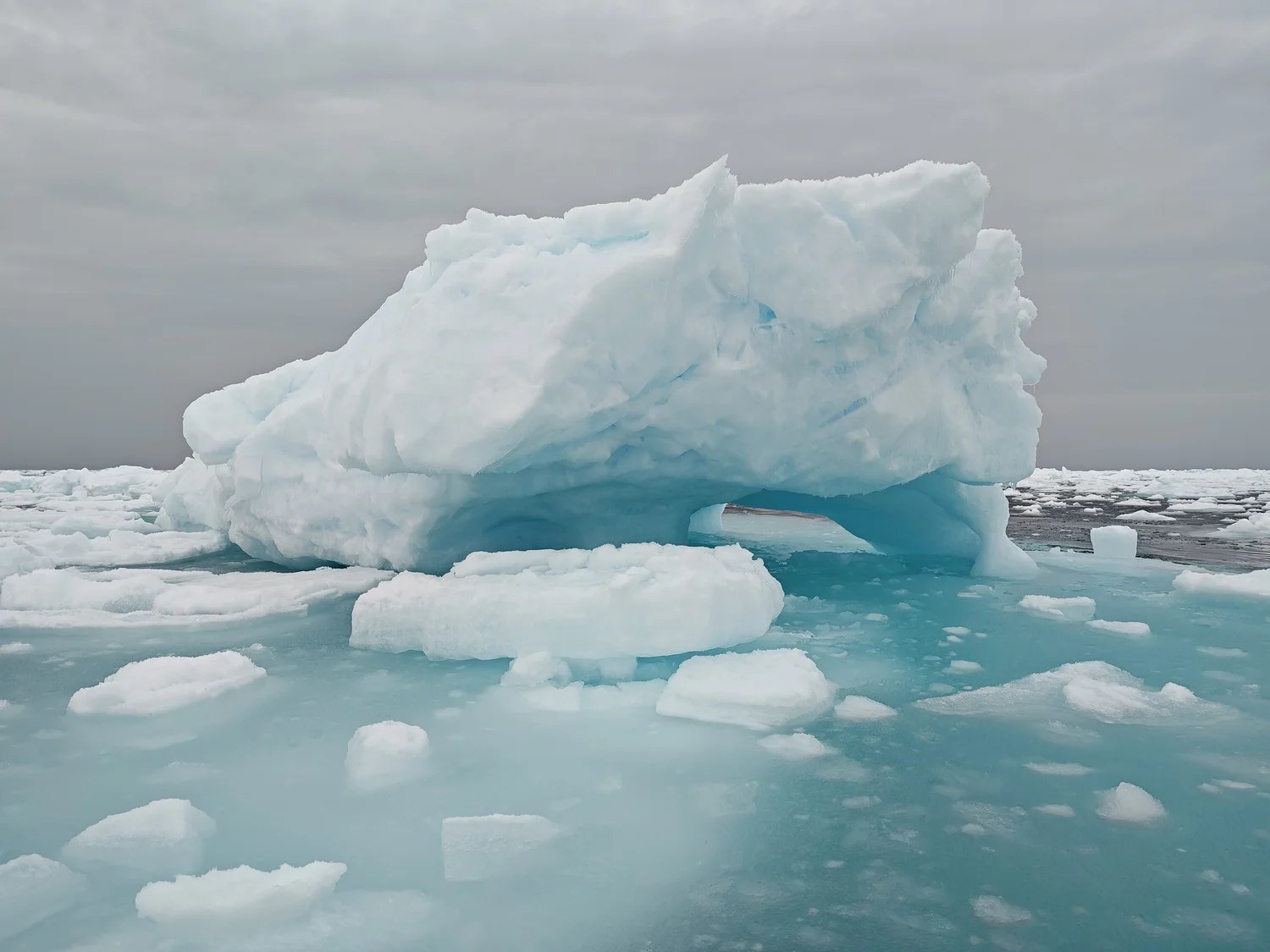
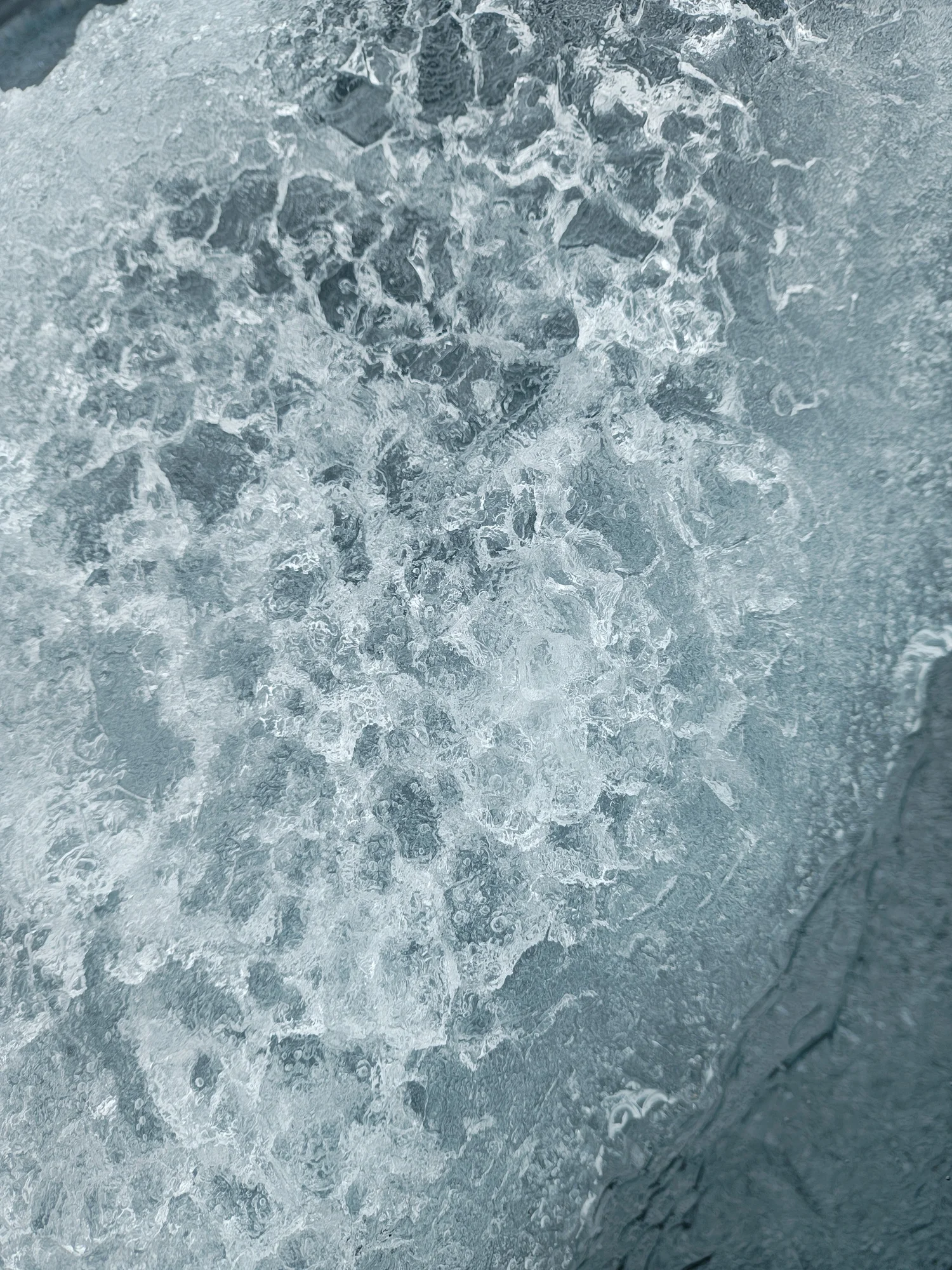
Po Ki Yuen at the Arctic, -40°C. Motorola razr+ in the field.
The North Pole as Stage
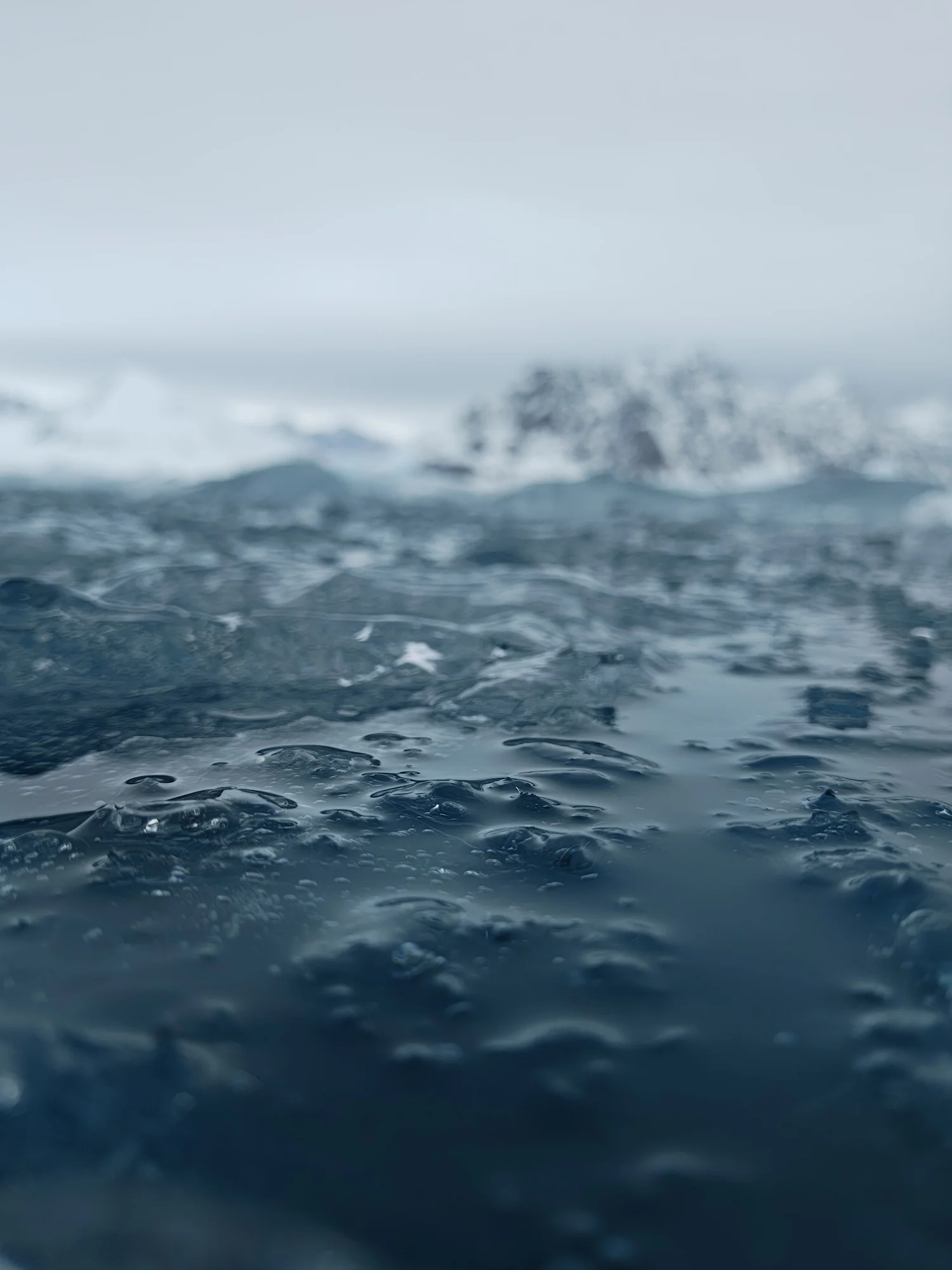
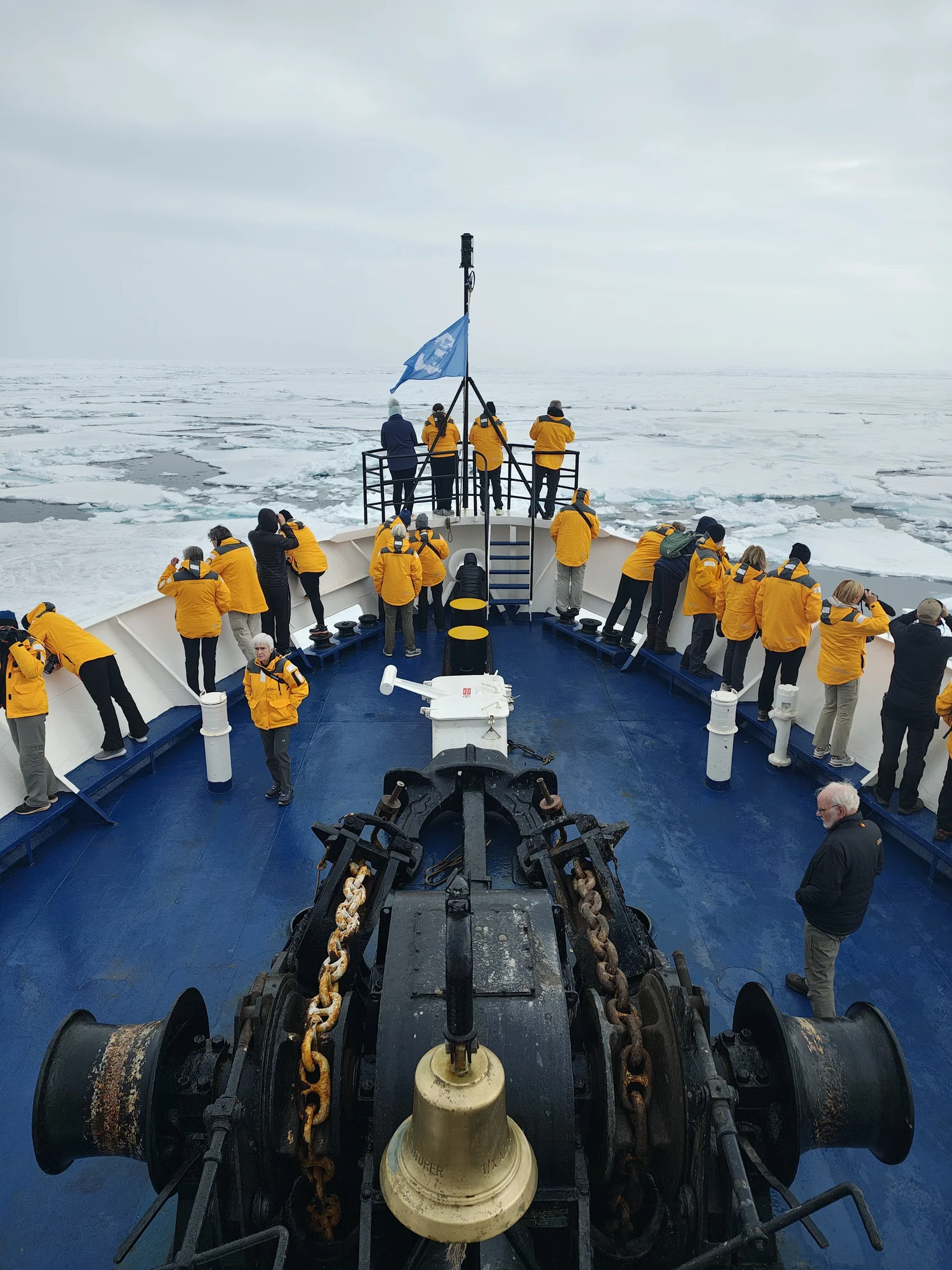
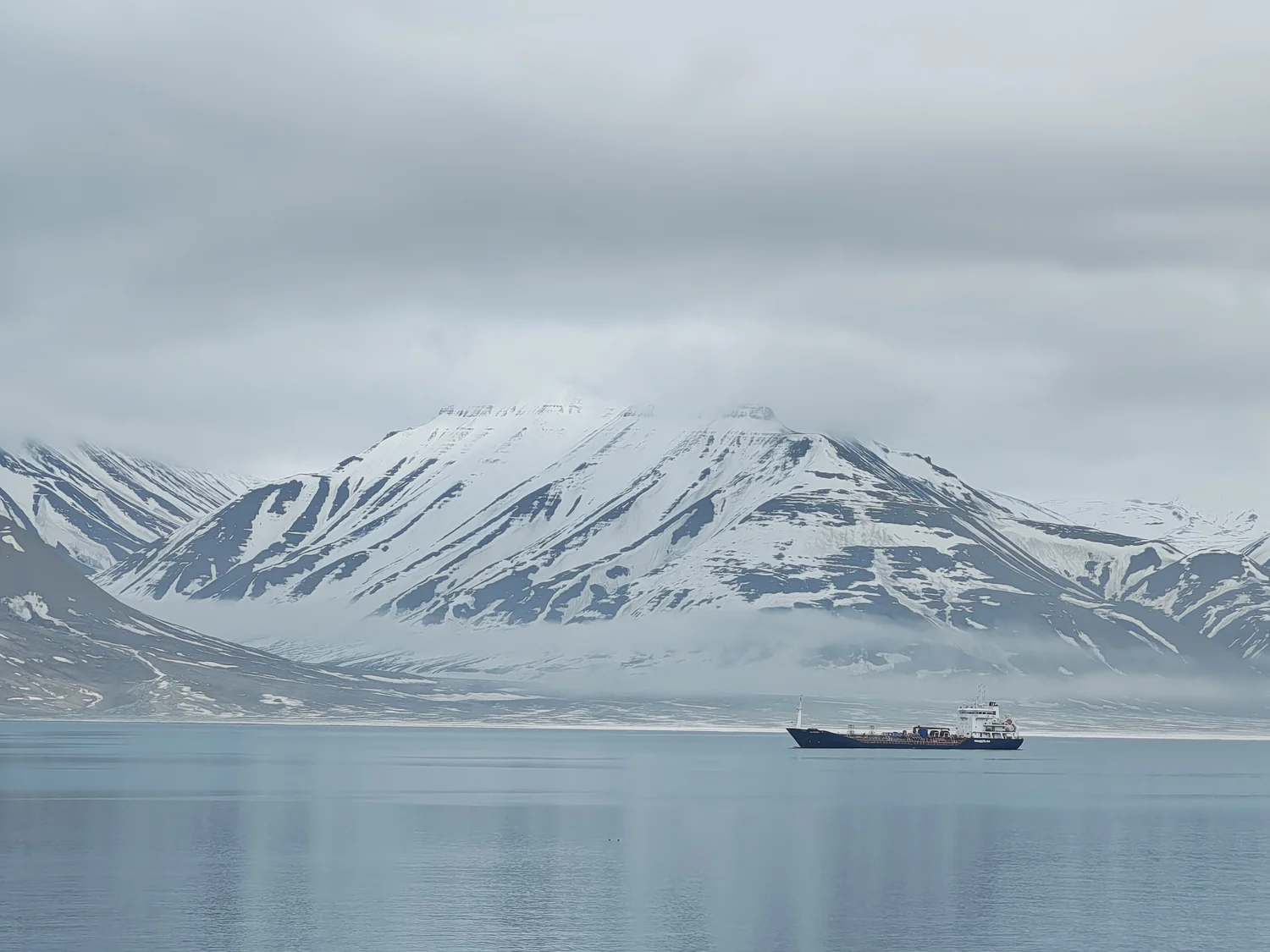
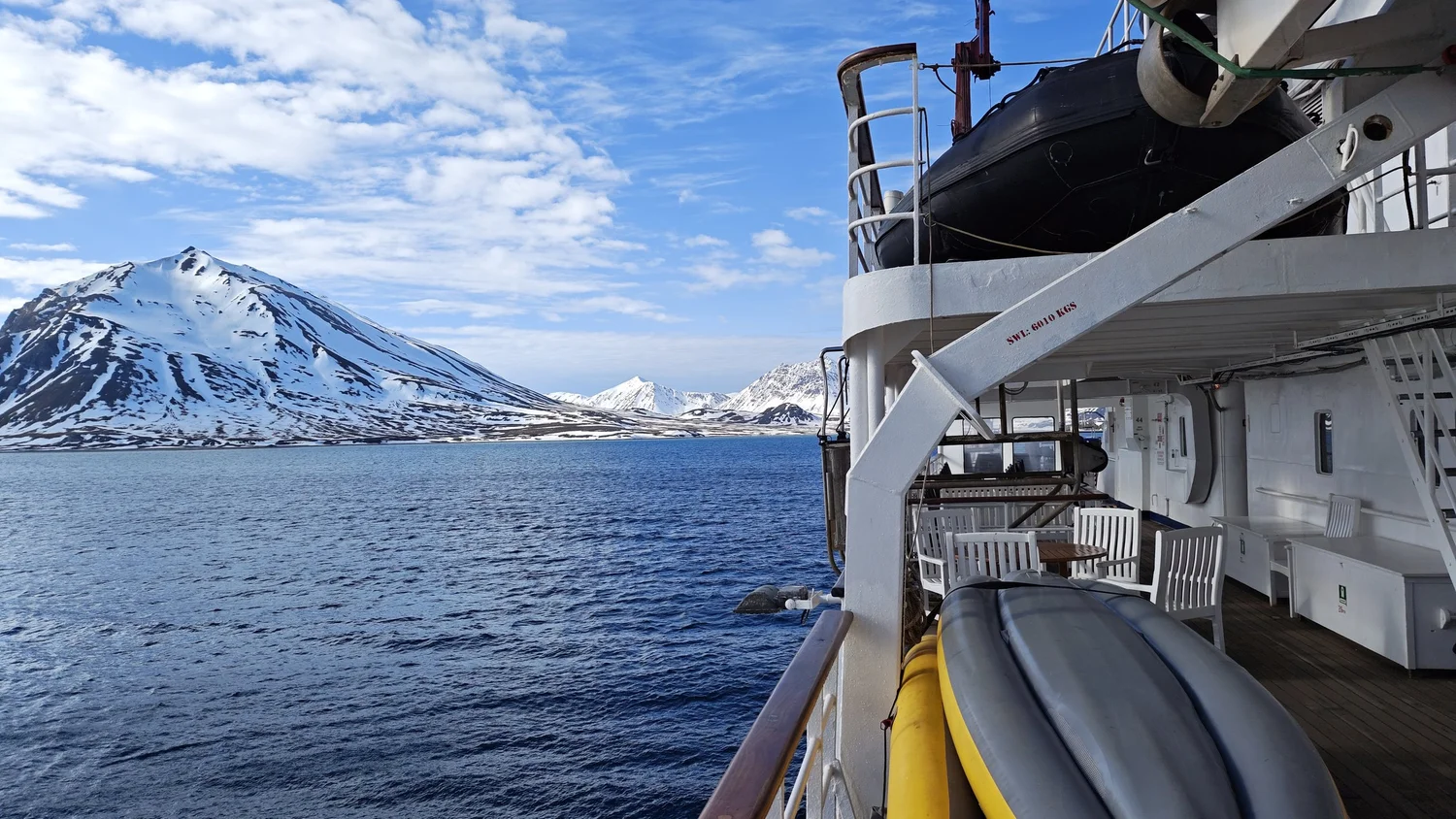
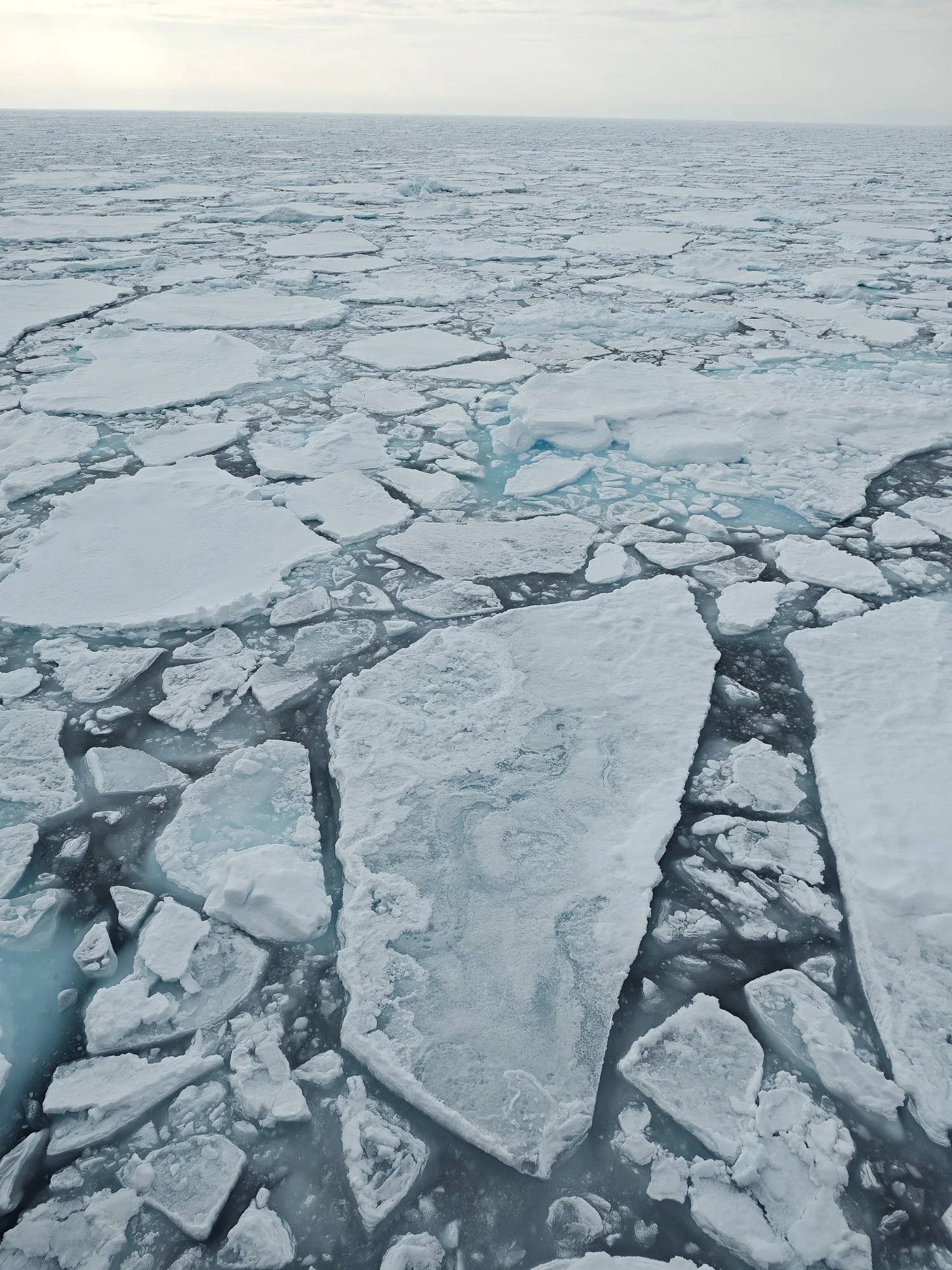
Svardbard. Drifting sea ice. A horizon that disappears into white in every direction. The North Pole doesn't offer the production conveniences of a studio or even a controlled outdoor location. Equipment fails. Light behaves unexpectedly. The cold is adversarial. That hostility is exactly what made it the right choice. Content captured there can't fake the texture of the place.
Motorola, in partnership with Corning, sent a team to the Arctic with the razr+ to work in real conditions. The resulting footage and photography aren't polished in the way a campaign typically is. They carry the texture of something that actually happened. That texture is the whole point: it can't be manufactured.
The Protagonist: Po Ki Yuen
The campaign centers on Po Ki Yuen, a seasoned Motorola engineer and photographer. That combination is the entire strategic logic. An engineer understands the device from the inside out. A photographer understands how to document a world authentically. Putting those two disciplines in the same person, in the most extreme environment on earth, created a protagonist with genuine authority over everything you see.
Po Ki isn't performing for the camera. He's doing his job in a place that demands everything from the equipment he's using. The content that came out of the expedition (the long-form documentary, the social series, the photography) is anchored by the fact that the person holding the phone actually had something at stake. That's content strategy.
"The content series that resulted wasn't a product demonstration. It was an adventure documentary that happened to star a phone."
The Content Series
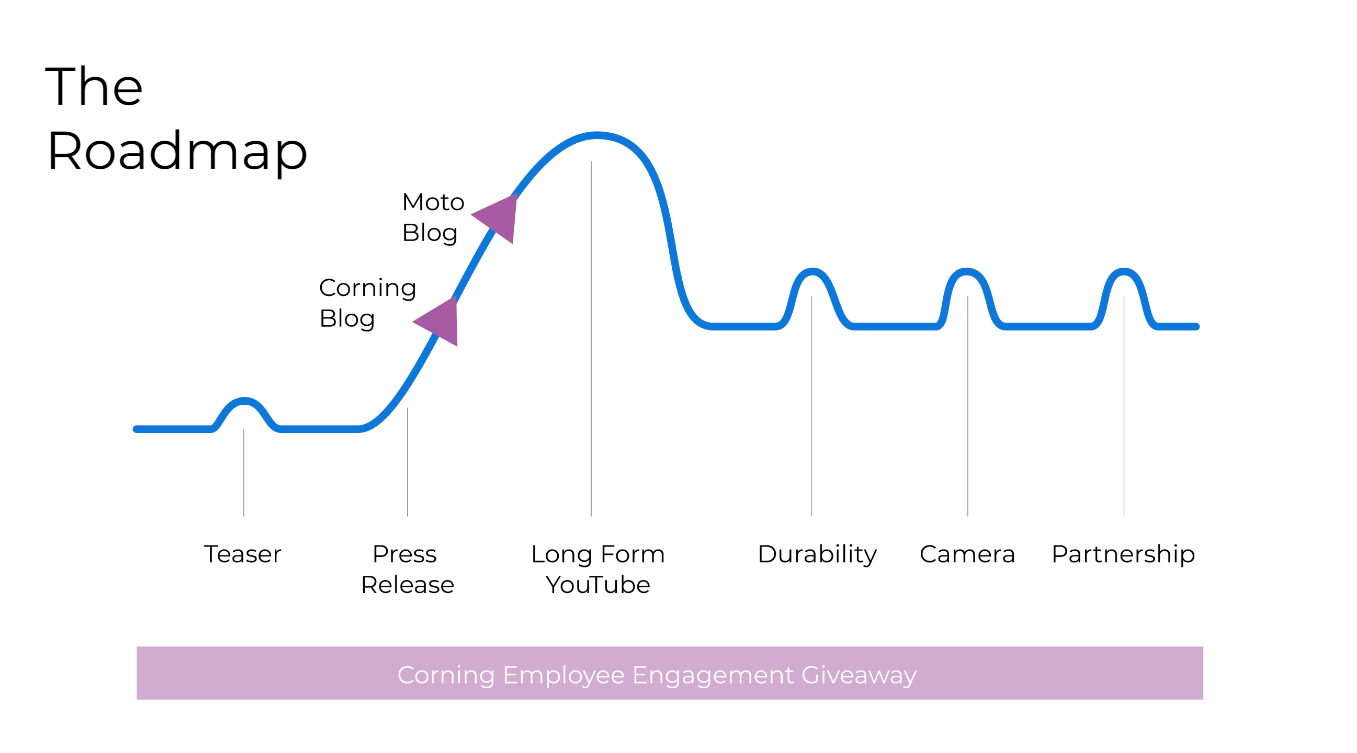
The campaign ran as a month-long social series, each installment revealing a new chapter of Po Ki's Arctic journey. Long-form documentary storytelling gave the campaign its depth and earned the audience's trust. Short-form cutdowns extracted the sharpest moments the camera performing in the cold, the phone surviving a fall, the battery holding through hours of exposure, and delivered them at the pace of social consumption.
The challenge of a content series structured this way is sustaining tension. The audience knows from the outset that the devices survived, because the person is still posting. The tension is about discovery. What does -40 degrees actually look like through a phone camera? What can this device do that you didn't know it could do? Each episode answered a version of that question.
The editorial frame: Every piece of content had to answer two questions simultaneously: what is happening right now in the story, and what does this prove about the device? When those two answers aligned naturally, the content worked. When they had to be forced, we went back to the footage.
