
Celebrity endorsement is being restructured into celebrity co-authorship. Across payments, beer, luxury fashion, and technology in 2026, brands are handing talent the writers' room, the casting, the final cut, and sometimes equity, then saying so out loud. The premium that once bought reach is now buying authorship. The trust test moved from whether the celebrity appears in the ad to whether they could have made it without you.
- Venmo's April campaign with Rachel Sennott and Jordan Firstman had the talent shape every dimension of the creative, from the writers' room to wardrobe to the final cuts.
- Heineken 0.0 built a multi-year global deal around Serena Williams and padel, launching with "Unexpected Doubles," where Williams surprised amateur players mid-match instead of fronting a shot list.
- Marc Jacobs' microdrama "The Scene" had Sennott write the script rather than perform someone else's, and the brand framed the deal as a creative partnership, not an endorsement.
- Charli XCX joined Nothing, the London company behind the Nothing Phone, as its first global brand ambassador and a shareholder, an equity stake she called a natural extension of working on her own terms.
In April, Venmo ran a campaign starring Rachel Sennott and Jordan Firstman, two real-life best friends. The notable part is not that they appeared in it. It is that they shaped every dimension of it, from the writers' room to wardrobe to the final cut. The talent did not read the brief. They wrote it.
Venmo's campaign with Rachel Sennott and Jordan Firstman. Watch on YouTube.
That would be a one-off if it were only Venmo. It is not. Heineken 0.0 signed Serena Williams to a multi-year global ambassadorship built around padel, and launched it with an activation called "Unexpected Doubles," where Williams walked onto padel courts in Miami and surprised amateurs mid-game as a last-minute stand-in. No shot list, no hero spot, a celebrity placed inside a real moment she helped author. Marc Jacobs handed Sennott a microdrama and let her write the script. Three unrelated categories, payments, beer, and luxury fashion, in the same year. In each one, the brand went out of its way to say the quiet part. This is not an endorsement.
Heineken 0.0's "Unexpected Doubles," the Serena Williams padel activation. Watch on YouTube.
What "Not an Endorsement" Actually Means
For two decades the celebrity-brand relationship was legible and transactional. The brand paid, the face appeared, the message was approved from the top down. The talent was the last mile of a message built entirely without them. What these three deals change is not the size of the check. It is the location of the pen. Writing, casting, final cut, the parts of the work that were never on the table, are now the deliverable. Trade press is naming it a direction rather than a one-off, which is the tell that it has stopped being a coincidence and started being a structure.
Then the Talent Took Equity
Outside of alcohol category celebrity deals... The furthest edge of the pattern is not a byline. It is a stake. In May, Charli XCX joined Nothing, the London company behind the Nothing Phone, and she did not sign on as the face of a handset. Nothing named her its first global brand ambassador and a shareholder, an equity partner in a business valued at 1.3 billion dollars, alongside names like The Weeknd and Swedish House Mafia.
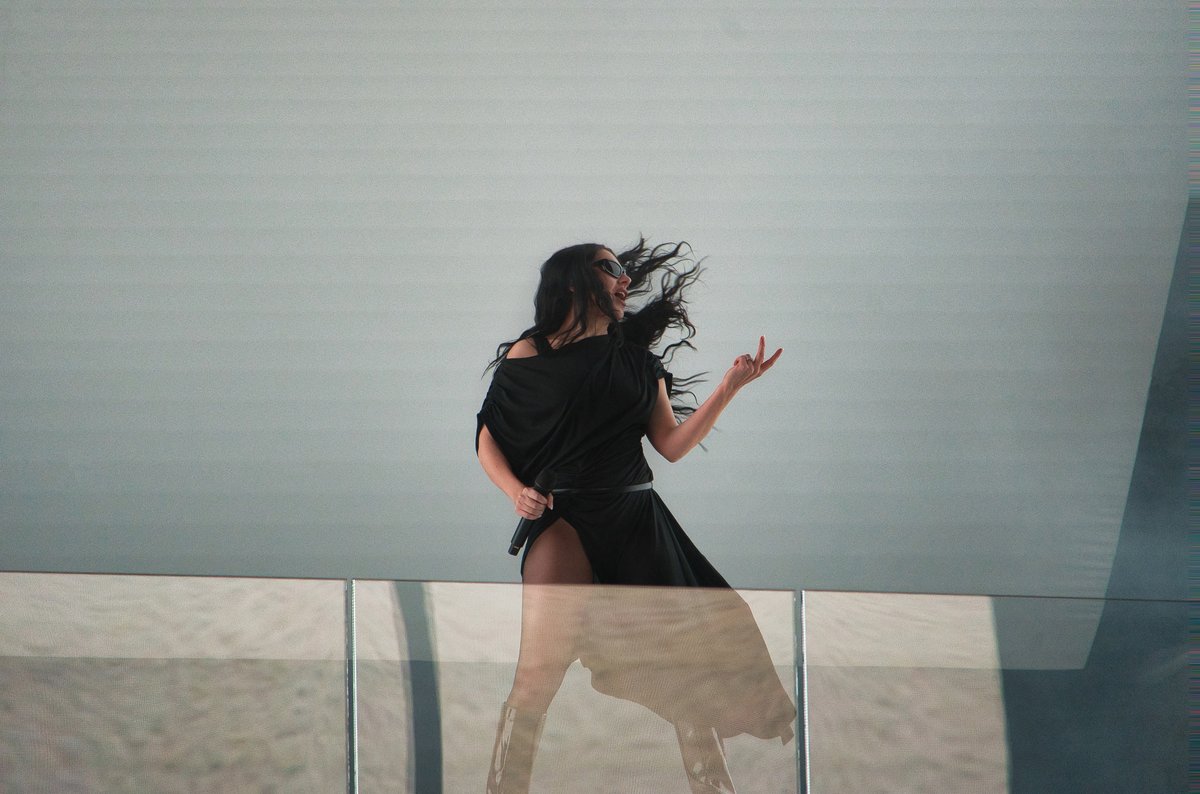
"Nothing actually feels different to me. I've always just wanted to do things on my own terms, and that's exactly what they're doing, making stuff with personality that doesn't look or feel like anything else. A creative partnership and becoming a shareholder just felt like a natural extension of that."
That is Charli XCX on the deal, and the framing is the whole shift in one sentence. She calls the equity a natural extension of doing things on her own terms, not a fee for showing up. Endorsement rents a name for a campaign. Ownership ties the name to the outcome. When the talent takes a stake, the brand stops buying attention and starts buying alignment, betting the person will act like an owner because she is one.
Why the Face Stopped Being Enough
The easy read is that celebrities got more powerful. They did, but that has been true since the influencer economy began, and it does not explain why a brand would surrender creative control it spent a century guarding. The harder read is about the audience. Brands have concluded that people can now tell the difference between a paid face and a genuine author, and that the difference is where trust lives. Reach used to be the premium. A famous person pointed at your product and some of their attention transferred to you. That trade still works, but a feed full of paid posts has priced it close to zero. What has not been commoditized is authorship. The signal audiences reward now is not "this person appears in the ad." It is "this person could have made the ad without you."
The premium used to be paid for a face. Now it is paid for a byline.
The Credibility Test
This creates a clean test for any talent deal, and it is not the one the industry is used to running. The question is no longer how big the name is or how many followers move with it. The question is whether the talent's fingerprints are legible in the finished work. A creative partner who shaped nothing is a spokesperson with better billing. Audiences feel the difference even when they cannot name it, the same way they feel a scripted moment sold to them as candid. Hand over real control and the work reads as authored. Withhold it and the press release does the only authoring in the room.
The credibility test for a 2026 talent deal is one question: with the logo removed, could the audience tell this person made it? If yes, you bought a co-author and the work becomes a cultural artifact. If no, you bought a spokesperson and dressed the contract in partnership language. "Partner" is not the deliverable. The fingerprints in the final cut are.
The old model was simple. The brand wrote the ad and rented a face to say it. The new model inverts it. The brand invites the talent into the room and shares the authorship. Which means the face was never the asset. It was always the pen behind it, and for twenty years brands were paying for the wrong end of the celebrity.
Booking Agent Info, Mission Media, The Heineken Company, Campaign Brief Asia, Adweek, Creative Bloq, Inc..
