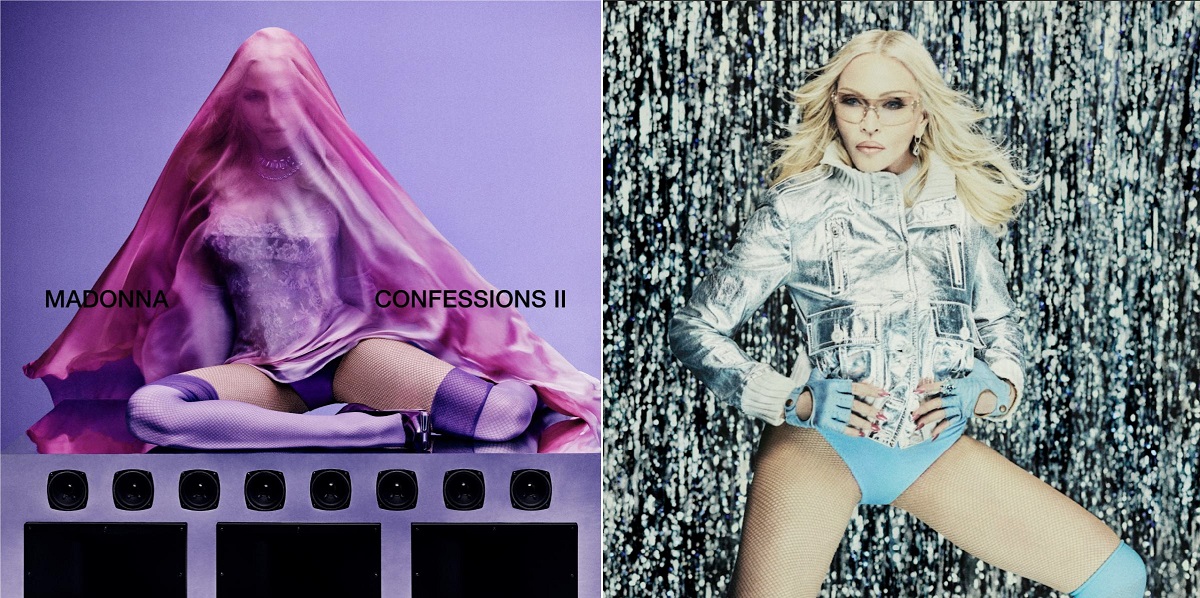
Pop has quietly stopped selling the future. As AI makes a competent new track close to free, new stops being scarce and stops being worth much. Value migrates to proven feeling, and the archive re-prices from heritage to inventory. For any brand with a real history, the catalog is the most defensible asset in the category.
- The biggest new release of the day is a sequel (Madonna's Confessions II) and the biggest new sound of the summer is a 1989 remix now framed as the unofficial 2026 Summer Anthem.
- Attention is flowing to catalog: the Michael biopic pushed Jackson to 102.1M monthly listeners with 82 percent of listeners under 35, US vinyl topped $1.04 billion in 2025, and demand for Takanaka upgraded his UK run to Brixton.
- Treat the archive as R&D, not a museum. Re-hire the original craft, add something new, and release it forward into people who have never seen it, as a sequel rather than an anniversary.
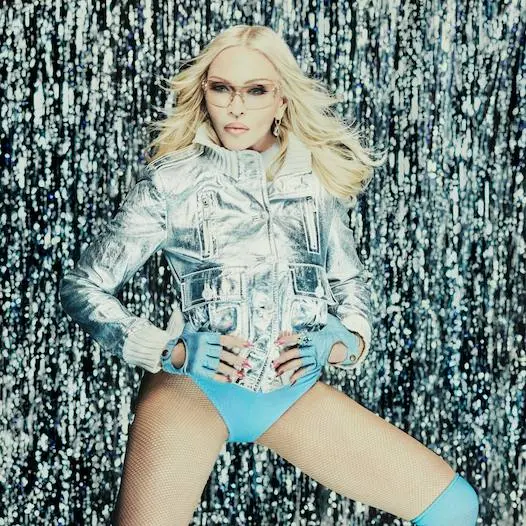
Madonna built a forty-year career on never looking back. Today she released a sequel. Confessions II arrives on 3 July, a direct continuation of a 2005 album, made with the same producer she used then, and the critics who spent two decades filing her under "past it" are calling it her best record since the original. Rolling Stone: her best in twenty years. Variety: her best in decades. The reason they all give is the same, and it is the interesting part. The album works because she stopped chasing forward and mined her own catalog.
Hold that next to what people are actually playing. The unofficial song of the summer is not a new song. It is Josh Fawaz's remix of "Like a Prayer," a record from 1989, now circulating as the unofficial 2026 Summer Anthem and powering seven-second lip-syncs. Creators call it the easiest way to go viral all season, and they are honest about why: the Madonna sample does the emotional work for them. They are not making something. They are borrowing something that already lands.
So here is the specimen. The biggest new release of the day is a sequel. The biggest new sound of the summer is a remix. Pop has quietly stopped selling the future.
What Is Happening
This is not two artists having a nostalgic month. It is a market re-pricing itself.
For a hundred years the music business sold you tomorrow: the next single, the new sound, the era you had not heard yet. Novelty was the entire growth engine. That engine ran on scarcity, because making a good new record was hard and expensive, so new was worth paying for.
Both halves of that equation just broke. AI-assisted production has made a competent new track close to free and close to instant, which means new is no longer scarce, which means new is no longer worth much. There is already a counter-movement forming around "human-made" verification, and that tells you everything: the culture no longer trusts new by default. When supply goes infinite, value migrates to whatever is still scarce. Right now the scarce thing is proven feeling.
Look at where the attention is actually going. The Michael biopic pushed Michael Jackson to 102.1 million Spotify monthly listeners this spring, the highest audience level of his streaming era, and Chartmetric says 82 percent of his listeners are now under 35. A catalog became a new-release feed. In parallel, US vinyl revenue topped $1.04 billion in 2025, a signal that listeners are still spending real money to own the trusted object in a world of rented access. The 2026 tour calendar belongs to Rush, Bon Jovi, Def Leppard. The archive is not heritage anymore. It is inventory.
The newest thing pop can sell you now is a better-made version of a feeling you already trust.
Why This Sound Matters
The tell is in the craft, not the sentiment.
Madonna's opener, "I Feel So Free," is built on a sample of a 1989 club record and reunites the exact team behind the 2005 album. She did not photocopy the old aesthetic. She re-hired the conditions that produced her best work and then made something new inside them. That distinction is the whole game. Nostalgia is the frame the audience sees. Craft is the mechanism that makes it land. Get the frame without the mechanism and you have a costume.
The Fawaz remix is the same move stripped to its cheapest form. Recognition is the hook. The 1989 song is not being covered, it is being rented for its certainty, because certainty is the one thing a brand-new composition cannot offer in a feed where nobody trusts what they are hearing.
The Community Read
Watch the collectors, because they are voting with money most people would rather stream for free. Vinyl Alliance research cited by Creative Bloq says 76 percent of Gen Z vinyl fans buy records at least once a month. They still stream all day. The purchase is not about playback, it is about ownership: a shelf that proves taste, an object you can hold in a life that rents everything. A cassette is the opposite of a disposable stream. It has weight.
And watch the excavators, the ones treating a 1982 Japanese city pop record as a new release because to them it is one. Demand upgraded Masayoshi Takanaka's first UK solo date into two nights at Brixton, and he told the Guardian his Los Angeles crowd was mostly in its 20s. Age stopped being a barrier the moment discovery moved from genre to feeling. A forty-five-year-old song and a track from June sit in the same mood playlist with no seam between them. Nobody asks how old the feeling is.
Japan is the clearest export of this shift. City pop, the polished late-1970s and 1980s fusion of funk, disco and pop, has crossed from internet curiosity to established global canon. A generation raised on mood-based discovery does not care that a record is 45 years old if it delivers the feeling, and streaming removed the walls that once kept these songs local. The catalog found its biggest audience four decades late.
The Brand Read
Every brand with a real history is sitting on the most defensible asset in its category and treating it like a museum.
Your archive cannot be out-supplied, and it cannot be faked by a competitor or a model. It has already passed the one test new work has not: time. The instinct is to file it under heritage, run it out for an anniversary, and get back to the new thing. That is backwards. The archive is the R&D lab.
Do what Madonna did, not what the anniversary edition does. She re-hired Stuart Price, the original craftsman, and re-ran the conditions that made the work great, then added something to it. The brand version is re-commissioning the original designer, factory, or constraint that produced your best era, and releasing the result into new eyes rather than old memory. The Michael numbers came from younger listeners, not the fan club. Re-release forward, into people who have never seen it, and treat the revival as a sequel with new material, not a reunion photo.
What Brands Should Avoid
The tourist move is reference without re-creation. The logo re-drop with nothing added. The reissue that changes the date on the box and calls it a drop. The borrowed old sound with none of the craft that made it work the first time. Audiences can feel the difference between a brand returning to its best conditions and a brand cosplaying its own past, and the second one reads as a costume every time. Nostalgia is not a strategy. It is a frame around one. If there is no new craft inside the frame, do not ship it.
The Frontier Moved Behind Us
Madonna spent forty years teaching the culture that the only way to stay is to keep moving forward. Today she proved the opposite, and the charts agree with her. The future used to be the product. Now the product is a feeling we have already had, made better and sold back to us. The frontier did not disappear. It just moved behind us.
