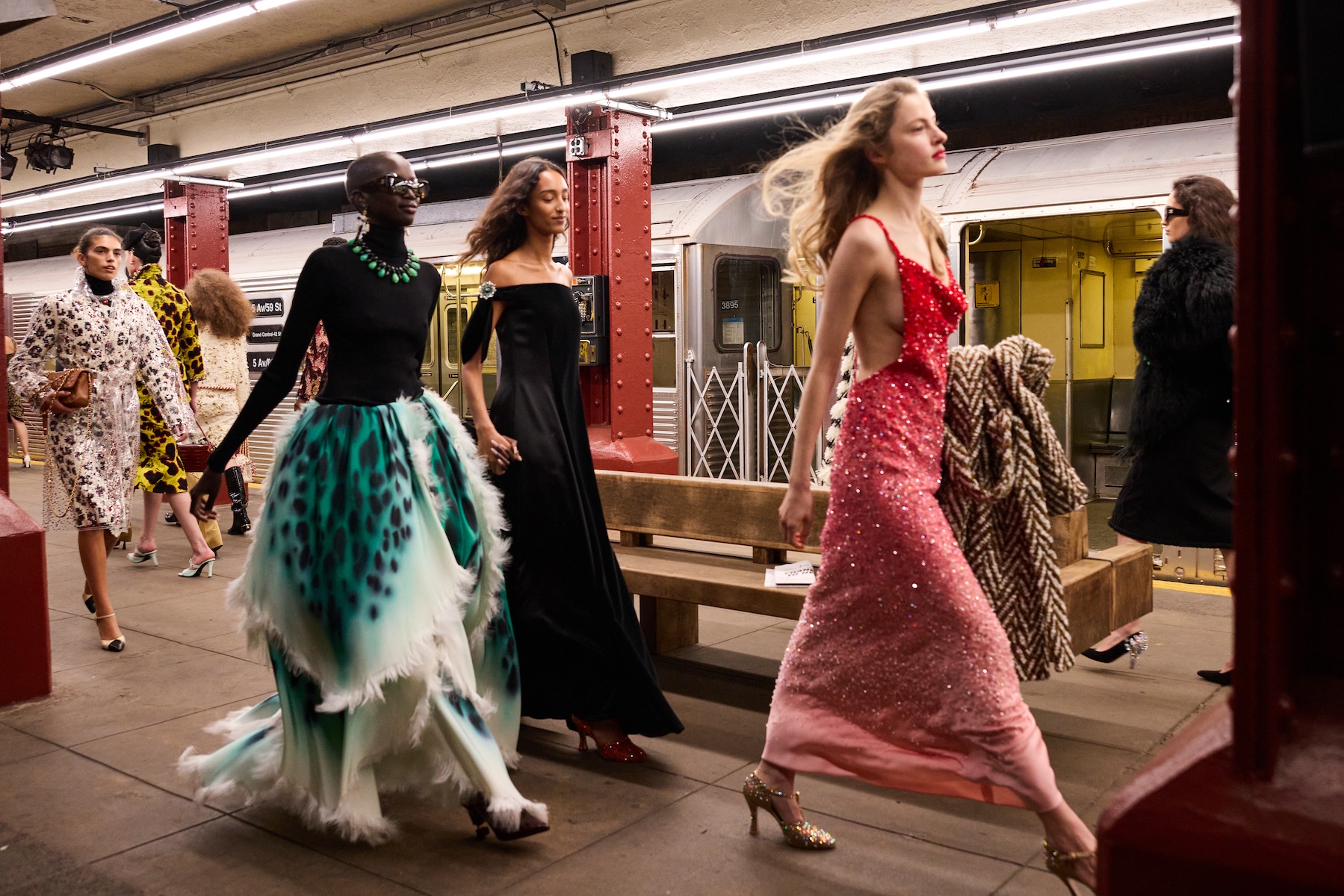
Blazy staged Chanel in a decommissioned subway station. The pieces sold out before lunch. The question isn't how it was staged. It's what it proved.
- A first-order luxury brand survives having its context stripped. The object reads as extraordinary under fluorescent light, without the boutique or the price tag.
- Most luxury runs on second-order equity: context doing the work the object cannot. Blazymania made that position untenable.
- Brands that raised prices without proportionate investment in craft have been borrowing against equity they can't repay.
Chanel held its first show under Matthieu Blazy in a decommissioned New York subway station. The pieces sold out before lunch. The industry called it Blazymania. The lesson has nothing to do with fashion.
Let's establish what happened. The Métiers d'Arts collection (Chanel's annual showcase of the extraordinary craft from its artisan workshops) was staged at a shuttered New York subway station. The concept, as Blazy stated it: everyone is invited. No hierarchy. No velvet rope. The most expensive ateliers in France presented inside infrastructure designed to move the entire city, regardless of income, equally and without ceremony.
Hours-long queues. Sell-outs on day one. A meaningful surge in first-time Chanel buyers, the metric every luxury brand claims to want and almost none are achieving.
Chanel built its cultural position on exactly the opposite premise. Aspiration at a controlled distance. The boutique as threshold. The price point as filter. The waitlist as proof of scarcity. For a century, the message was: Chanel is for those who have already arrived. The vocabulary of luxury is a vocabulary of exclusion, and Chanel wrote a great deal of that vocabulary.
Blazy staged a show in the subway and nothing broke.
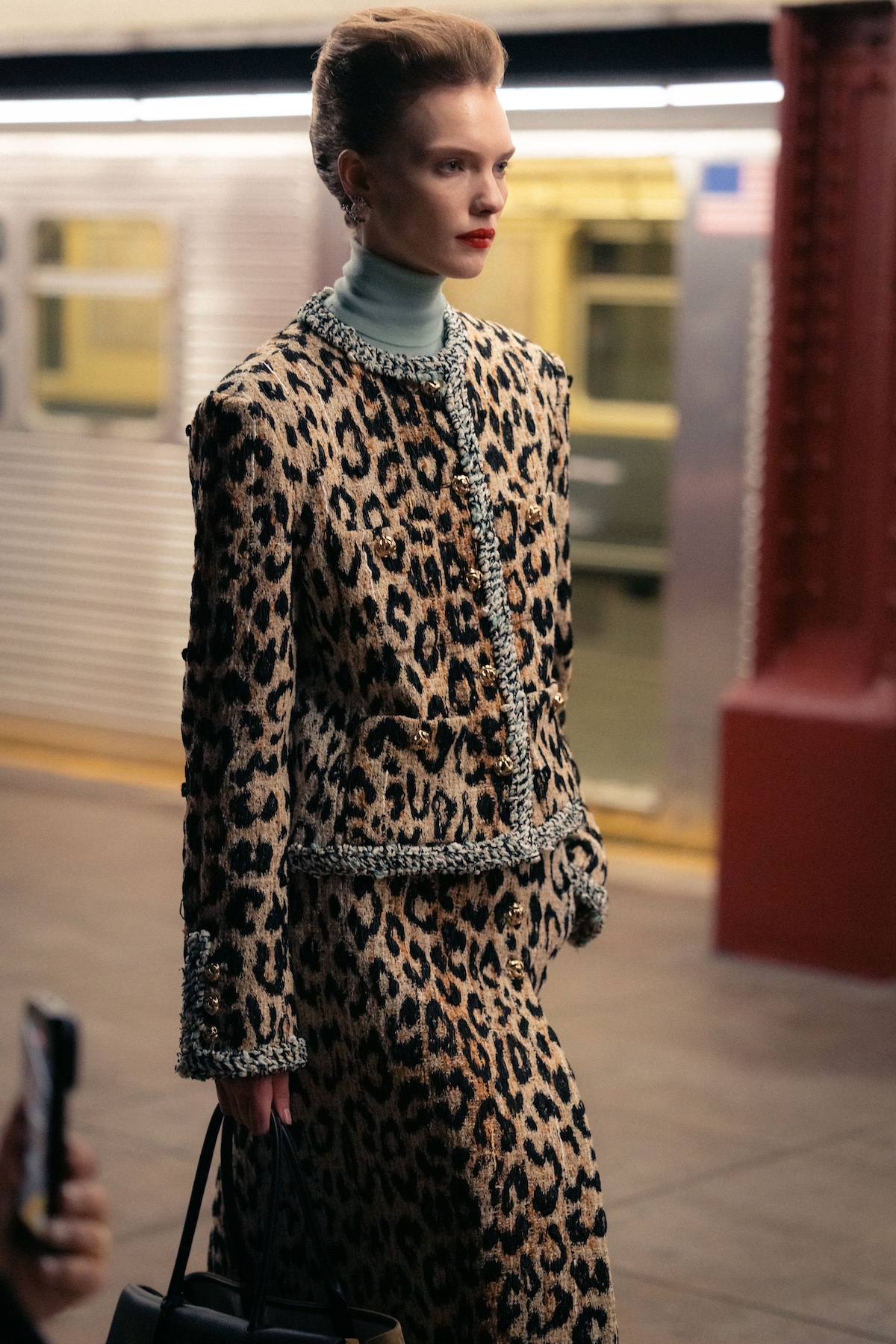
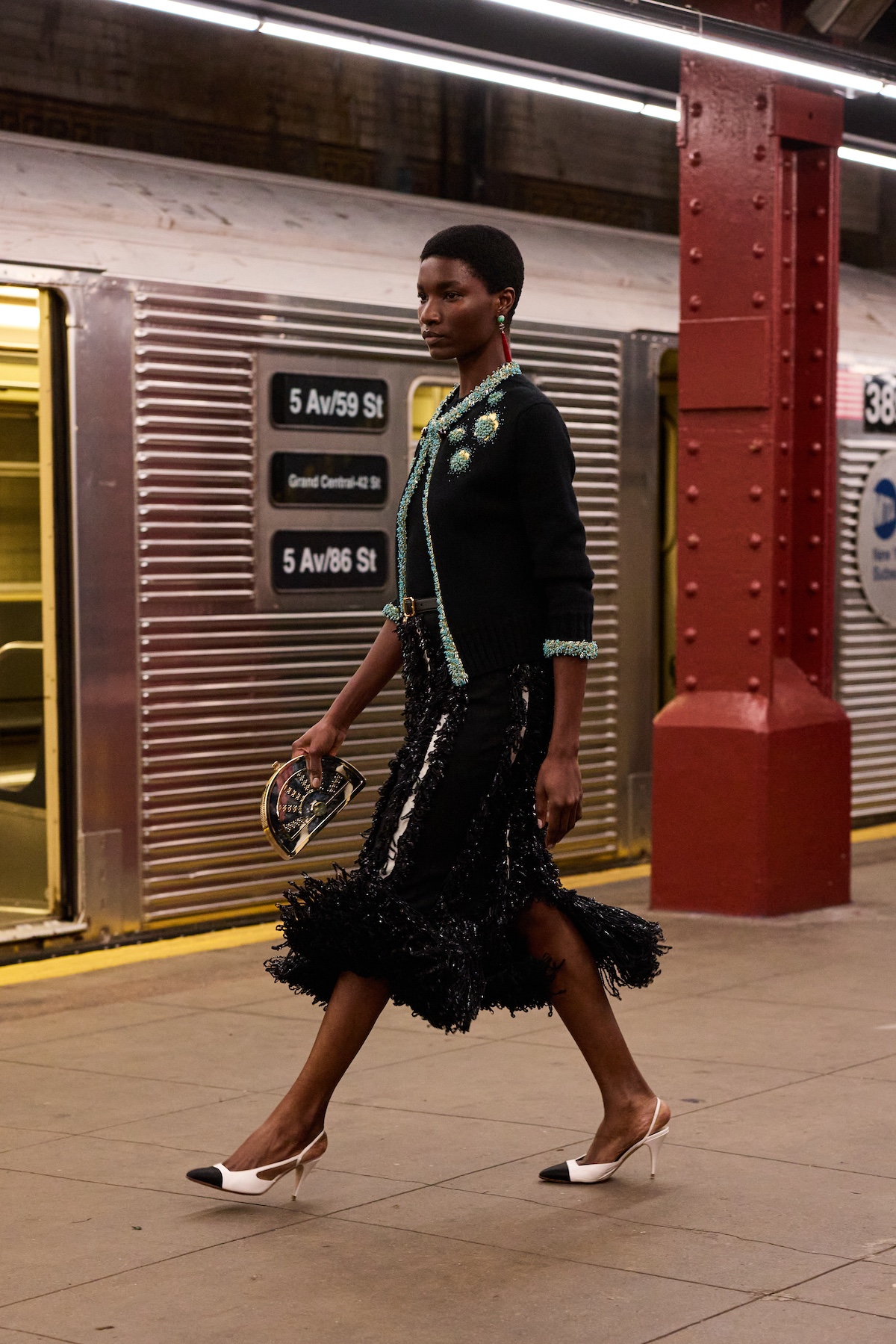
The brand clarified. The objects read as extraordinary under fluorescent light. The Chanel customer noticed the craft instead of the context. When you strip the boutique, the chandelier, the marble floor, when you put the object on a platform surrounded by tile and fluorescent light and the specific silence of a station between trains, what remains is just the thing itself.
The thing was extraordinary. And everyone could see it.
The distinction matters. There are two ways to operate a luxury brand. The first: make extraordinary objects and trust them to speak. The second: make ordinary objects and build such an elaborate context around them (the packaging, the retail environment, the price, the scarcity signal) that the context does the work the object cannot.
Scarcity amplifies a strong product. It cannot substitute for one. An extraordinary object made rare becomes more desirable. An ordinary object made rare just becomes expensive. Most of the luxury industry spent the last decade quietly engineering the second while pricing as if they had the first.
Blazy inherited a brand whose first-order argument is undeniable. Chanel's ateliers (the feather workers, the embroiderers, the jewellers) are genuinely extraordinary. The craft is there. He chose to make it visible instead of hiding it behind mystique. The subway was a test of Chanel's craft. The craft passed.
"The most powerful luxury signal is an object that doesn't need context to justify itself. When the making is extraordinary enough, the venue is irrelevant. In fact, an ordinary venue proves it."
The brand implication is uncomfortable for a significant portion of the luxury market.
The question every brand should ask of its own product is simple: would this still feel like a luxury object in a subway station? Strip away the retail environment, the packaging, the price-point signal. Would the object read as extraordinary to a person standing under fluorescent light next to a tile wall?
If yes, your product carries itself. If the answer depends on the boutique, the price tag, or the logo, that position just got exposed.
Brands that raised prices without investing in the craft have been spending equity they haven't earned. The receipt is coming. Blazy didn't produce it. He made it visible.
Here is what the first cycle of coverage got wrong. Blazymania got written as a story about democratisation: Chanel opening the gates, inviting the masses, breaking the exclusivity model. That reading misses the mechanism entirely.
Blazy revealed Chanel.
The subway station was not a gesture of inclusion toward people who couldn't previously access the brand. It was an argument about what the brand is: a made thing. The show said: we make objects good enough to survive in the least forgiving venue available. Prove us wrong.
Nobody could.
The most subversive thing a luxury brand can do in 2026 is trust what it makes. Blazy trusted it. The market called it Blazymania. The strategic read is quieter: craft, not scarcity, is the durable luxury signal. The bold part was being certain enough about the objects to let a fluorescent-lit station decide.
The velvet rope was covering a question the brand didn't want to answer.
Would your product still feel like a luxury object in a subway station? If the answer depends on the boutique, the price tag, or the logo, you are defending a second-order position that Blazy just made untenable.
