Every Cannes 2026 panel was about AI. Every Grand Prix went to human work. The gap between what the industry says and what it rewards is the signal.
- Cannes 2026 gave its biggest prizes to Adidas, Apple TV, and De'Longhi for work that was handmade, culturally specific, and impossible to prompt into existence.
- Every winning campaign shared one structural feature: someone paid specific attention to something real and committed to it directly, not generally.
- AI accelerates production. It cannot produce the decision to care about something specific enough to build around it.
Cannes Lions 2026 closed yesterday. Every panel was about AI. Every Grand Prix went to human work. The industry doesn't know what to make of that yet. You should.
Let's establish what happened. The 73rd Cannes Lions International Festival of Creativity, the advertising world's most-watched awards, handed its biggest prizes to:
Adidas, for embedding with Oasis on their reunion tour and becoming the uniform of that cultural moment. Pop-up shops outside stadiums. Official merch that felt like it belonged there. One sale per second at peak. Double Grand Prix: Entertainment and Music.
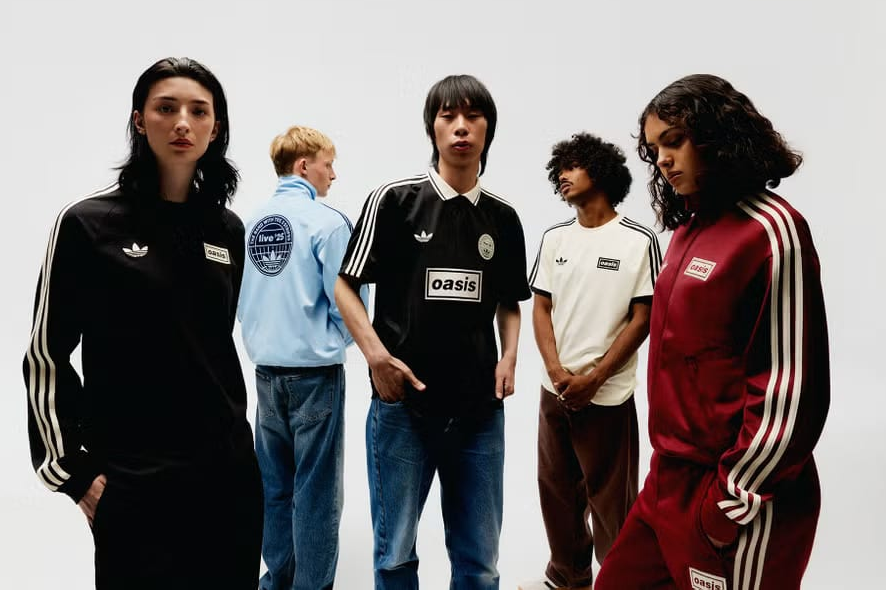
Adidas × Oasis "Original Forever" — Double Grand Prix, Entertainment & Music · Johannes Leonardo
Apple TV, for rebuilding their brand identity entirely in camera. Not generated but physically assembled: glass slabs, light, movement and color, made by hand in a process that could have been rendered by AI in minutes. The Digital Craft Grand Prix.
De'Longhi, for commissioning Simon Weisse (the model maker behind Wes Anderson's The Grand Budapest Hotel) to hand-build five iconic coffee machines into fully functioning miniature café fronts. Each one took over a hundred hours. The Industry Craft Grand Prix.
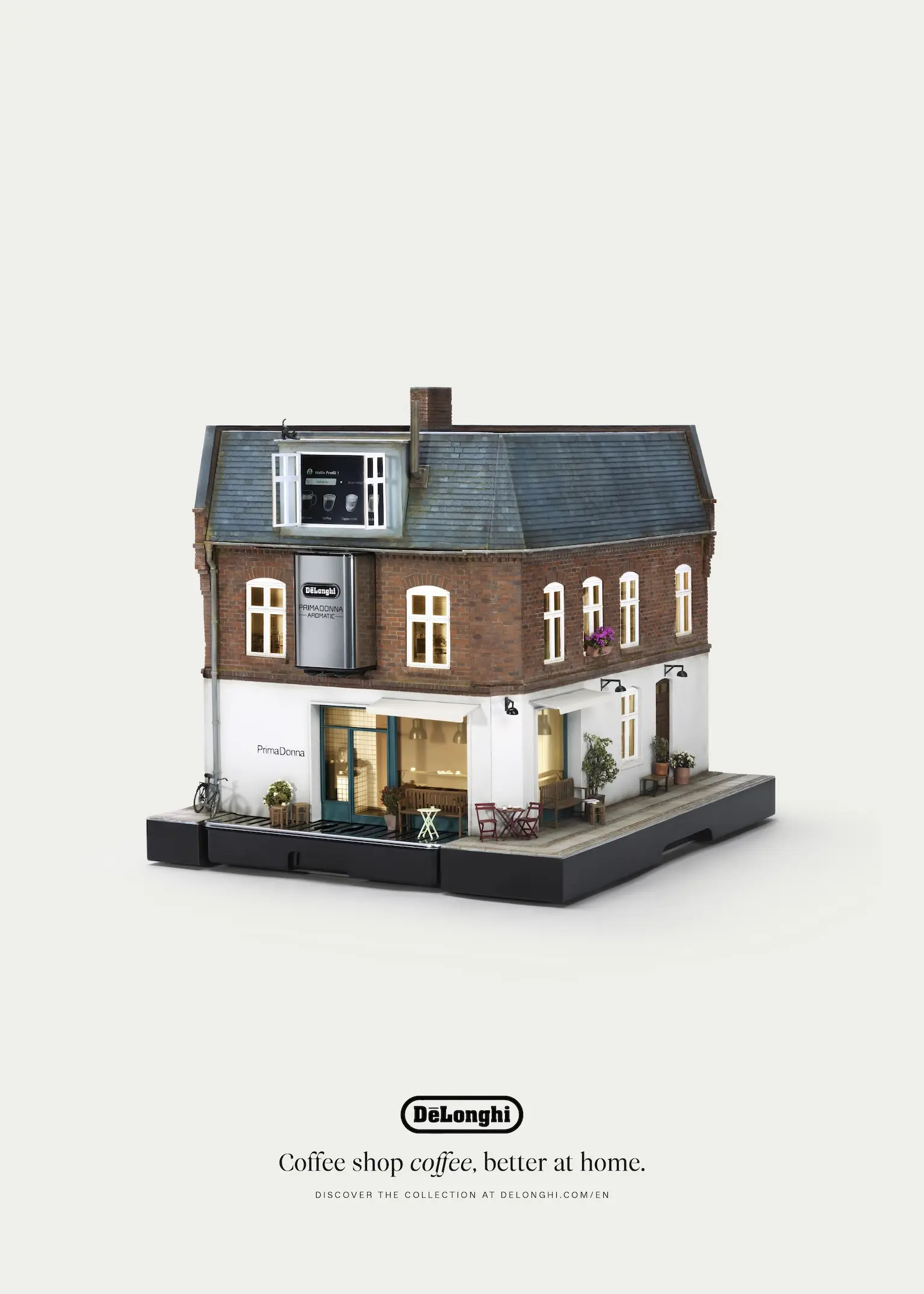
De'Longhi "Tiny Coffee Shops" — Industry Craft Grand Prix · LOLA Madrid
Mercado Livre, for turning a football pitch into a 104-metre-wide barcode that fans could scan to interact with the brand in real time.
Hyundai Puerto Rico, for replacing the factory car-lock sound in their rental fleet with the call of the coquí frog, a symbol of Puerto Rican identity so embedded in the culture it functions as a national emblem.
This is the formal record. Not opinion. The judges voted, the plaques were made, the speeches were delivered.
Across the same building, in the conference sessions running parallel to the ceremony, the dominant conversation was AI. AI as creative partner. AI as production accelerant. AI as the force that was about to change everything about how this industry works. The speakers were credible. The examples were real. The anxiety underneath it all was palpable.
The gap between what was being said on stage and what was being given a trophy is the most important thing that happened at Cannes this year.
Nobody on either side is wrong. The people describing AI's capabilities aren't exaggerating. The juries rewarding handcrafted, culturally specific work aren't being reactionary. Both things are simultaneously true. The industry just hasn't built a framework for holding them together yet.
The market already has one.
What the Work Was Actually Doing
The Adidas campaign didn't generate a single asset out of an AI prompt. It spotted the Gallagher brothers' reunion, a cultural moment building for thirty years, got physically close to it, and committed. Merch tables. Stadium presence. The brand didn't borrow attention from the moment. It became part of the moment. The difference between those two things is the difference between a sponsorship and a story.
De'Longhi's Tiny Coffee Shops made the argument most literally: if you want to convince people that at-home coffee can match a café, you build actual miniature cafés out of your coffee machines, by hand, with the prop master from a Wes Anderson film. The message and the method were the same thing. That is not a brief you arrive at through a content strategy framework. It requires conviction about what the brand is actually for, and the courage to make it physical.
All of these campaigns share a structural feature: someone, at some point in the process, had to be paying specific attention to something happening in the world and decide it mattered enough to respond to directly. Not generally. Specifically. With care.
That is not an AI capability. It is a human one. It may be the human capability that matters most right now.
What Cannes 2026 Actually Published
Here is what Cannes 2026 actually published: a price signal.
Human creative authority, the specific, culturally embedded, made-by-people-who-are-paying-attention kind, is the premium tier. AI-assisted production is the infrastructure that makes working at that tier more efficient. These are not competing propositions. They are different layers of the same operation.
The confusion arises when brands treat the infrastructure as the strategy. When "what should we make?" gets answered by the same tool you use to answer "how quickly can we make it?" The second question is where AI has genuine value. The first one still requires a person who is paying attention to something that matters.
The brands that won at Cannes this week didn't use less AI than their competitors. They used more judgment about what to make in the first place.
The awards measured the judgment, not the production method.
The Adidas team didn't generate the Oasis campaign. They recognized an opening: a thirty-year reunion, a culture hungry for it, a brand already embedded in that world. And they moved toward it. That movement, that act of attention and commitment, is what the trophy is for.
The panels can catch up when they're ready.
