
The smooth decade is ending. At the top, the biggest artists are reaching for weight and roughness after ten years of frictionless pop. Underneath, the emerging scene was already there first. Read both tiers together: they are pointing the same direction.
- Charli XCX declared the dance floor dead and opened her new era with distorted guitars. When the architect of anti-frictionless pop reaches for abrasion, that is a weather report, not a genre change.
- Sleazepop, rage rap, and pluggnb built an entire scene from maximalism and distortion before the mainstream arrived. The mainstream is arriving now.
- The global sound of summer came from São Paulo, built at the periphery and pulled worldwide by fans. The summer’s biggest export is lo-fi and distorted too.
What the big artists are doing at the top, what the emerging ones are doing underneath, which corner of the world is having its moment, and the single trend connecting all of it.
Tier One: The Majors Making Waves
The established names worth watching are not the ones holding number one. They are the ones changing what a big artist is allowed to sound like.
Charli XCX
The bellwether of the month. The artist who made the club the emotional center of pop for a decade opened her new era with one line: “I think the dance floor is dead, so now we’re making rock music.” Distorted guitars, a television thrown out a hotel window, headbanging. When the person who defined frictionless communal pleasure reaches for abrasion and weight, that is not a genre change. It is a weather report.
Olivia Rodrigo
82 million streams on day one, four songs in the Hot 100 top 10 at once. Monoculture still exists, but only privately, inside a fandom deep enough to chart a whole tracklist in a week. The record itself is rawer and more guitar-forward than her last, with a Robert Smith feature to prove it. The biggest young pop star in the world is also drifting toward texture.

Ella Langley
Eleven weeks at number one, the longest run of 2026 so far. The story is not that a country song is big. It is that nobody is calling it a crossover anymore. When the border stops getting mentioned, the border has already moved. The center of mainstream pop has quietly relocated south and rougher.
Corridos Tumbados
Corridos tumbados now command roughly 77 percent of all Música Mexicana streams on Spotify and keep spilling into general US playlists. Accordion and trap, regional and global, at once. Same pattern as country: the sound that used to be filed as regional is now the thing the middle of the market is built on.
Tier Two: Emerging Artists Making a Dent
This is the tier that tells you what happens next. These artists are small now. What they are doing is not.
2hollis
Cemented this year as a figurehead of a new maximalist wave. Dazed just gave the sound a name: sleazepop. Overstimulated, distorted, genre-agnostic, built by someone raised on Discord and Bandcamp rather than radio. The next pop is loud, textured, and allergic to minimalism.
Ninajirachi
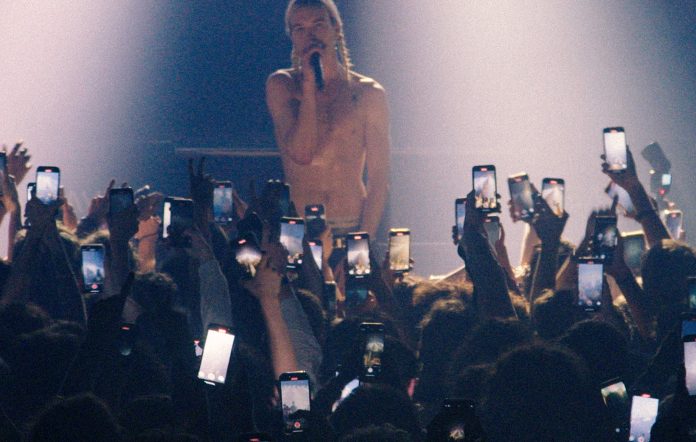
The breakout star of Coachella 2026, out of the hyperpop and electronic underground. When a festival’s most-talked-about set comes from the maximalist fringe rather than a headliner, the fringe is not the fringe for much longer.
Underscores
An early album-of-the-year contender from the same electronic-maximalist lane. Post-genre by construction: post-punk, trip-hop, screamo, and pop stacked without apology. The Bandcamp generation dissolving genre in real time, and SoundCloud’s eclectic-indie streams are up over 250 percent year on year to prove it is a scene, not a fluke.
EsDeeKid
UK underground rap, now at over 19 million monthly listeners, fusing rage, drill, and jerk into one distorted thing. UK rap’s harshest, most regional sounds are going global without softening. The opposite of the polished Afro-pop crossover playbook.
bleood
Rage rap with everything turned to eleven, broken out on a surprise mixtape. Descended from the Playboi Carti distortion lineage, treating noise and overload as the point rather than a flaw. The emotional register is intensity, not comfort.
PluggnB
A former SoundCloud niche now hybridizing with hyperpop and indie-rock into a genuine pop hybrid. Worth watching not for one artist but as a pipeline: the sound the mainstream borrows from next.
Global Scene Spotlight: São Paulo and Rio, Brazil
The sound of the global summer is being built in Brazil and exported by phone. Brazilian phonk, the collision of baile funk with the lo-fi, bass-heavy phonk template, went from local scene to the default TikTok engine in 2026. Producers are chopping Portuguese vocal snippets over trap drums and regional funk rhythms, and the results travel on things that have nothing to do with music: dance challenges, aesthetic transitions, and above all, football edits. The offshoot the Portuguese call “funk mundial” is soundtracking Cristiano Ronaldo highlight reels and becoming the default audio of celebration clips worldwide.
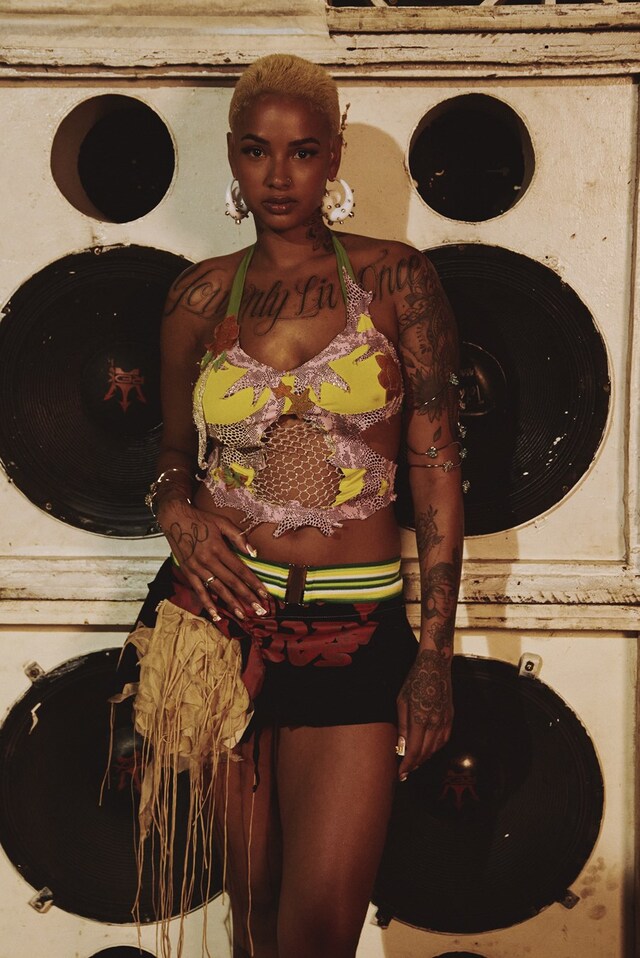
Why Brazil, why now: the country already had the deepest funk production culture on earth, and phonk gave it a globally legible, TikTok-shaped container. The sound did not need translation. It needed a format, and football gave it one.
The summer’s biggest sound was not pushed out of Los Angeles or London. It was built at the periphery and pulled worldwide by fans, which is the whole post-monoculture logic playing out on a map. Brazilian phonk is lo-fi, distorted, and physical. Even the global export is choosing texture over polish.
Global Radar
- Bogotá / Medellín, Colombia — The FIFA World Cup 2026 opening ceremony put Shakira, J Balvin, and Ryan Castro on the highest-reach broadcast in sports. Three Colombians on that stage confirms what the streaming data has been showing for two years: Colombia is the credibility center of global Latin culture right now, not just an export market. Ryan Castro is the name to track inside this moment. Medellín street rap with real streaming numbers, operating between reggaeton’s commercial finish and the harder, more textured sound the wider trend is running toward. The World Cup hype is the peak of visibility, but the scene behind it was already moving. Status: peak moment, watch what follows.
- Tokyo, Japan — The world’s second-largest music market is finally exporting. World tours from XG, Fujii Kaze, and BABYMETAL, a Coachella debut, and the second Music Awards Japan mark Japan turning outward, with sharper new acts like HANA rising behind it. Status: building.
- Johannesburg, South Africa — Amapiano’s decade-long climb from Gauteng townships to Coachella main stages continues, and the city is now the continent’s clearest export engine. Status: peak, still moving.
- Lagos, Nigeria — Afrobeats is hybridizing at home, folding in amapiano, fuji, and hip-hop rather than chasing a cleaner crossover sound. Status: building.
What the Dent Signals
Line the two tiers up. Charli says the dance floor is dead and picks up a guitar. Olivia goes rawer. Country and corridos push rougher, more regional sounds into the center. And underneath, sleazepop, rage, and pluggnb have already built an entire scene from distortion, maximalism, and genre collapse. The mainstream is reaching for the texture the underground has been living in.
The trend is the end of smooth. For a decade, pop optimized for frictionless: clean, minimal, playlist-safe, easy to half-listen to. The leading edge, top and bottom, is now moving the other way, toward weight, noise, effort, and intensity. The underground is the leading indicator, the majors are the confirmation, and Brazil is the proof it is global. The summer’s loudest export is lo-fi and distorted too.
The Brand Read
Read the two tiers as two clocks. The mainstream tells you what is safe now. The emerging tier tells you what is safe in about eighteen months. If your brand’s sound and visual language are still clean, minimal, and smooth, you are dressed for the decade that is ending. The distortion wave is the one to read early, while it is still cheap to be right about.
Does your brand’s sound belong to the smooth decade or the one coming? The two tiers are two clocks running eighteen months apart. Both are pointing the same direction.
