The Brief Nobody Wrote
The starting point was a janitor's closet. Not a metaphor. An actual storage room inside a Fortune 18 company's headquarters, identified as available space and handed over with a question: what can we do with this?
The real brief was larger than the room. For a brand operating at Walgreens' scale and velocity, every major creative output depended on external production infrastructure: hired studios, external crews, location shoots that added weeks and budget to campaigns that needed to move in days. Cultural moments don't wait for three-week preproduction timelines. Meme cycles, seasonal beats, trend windows close before the booking is confirmed.
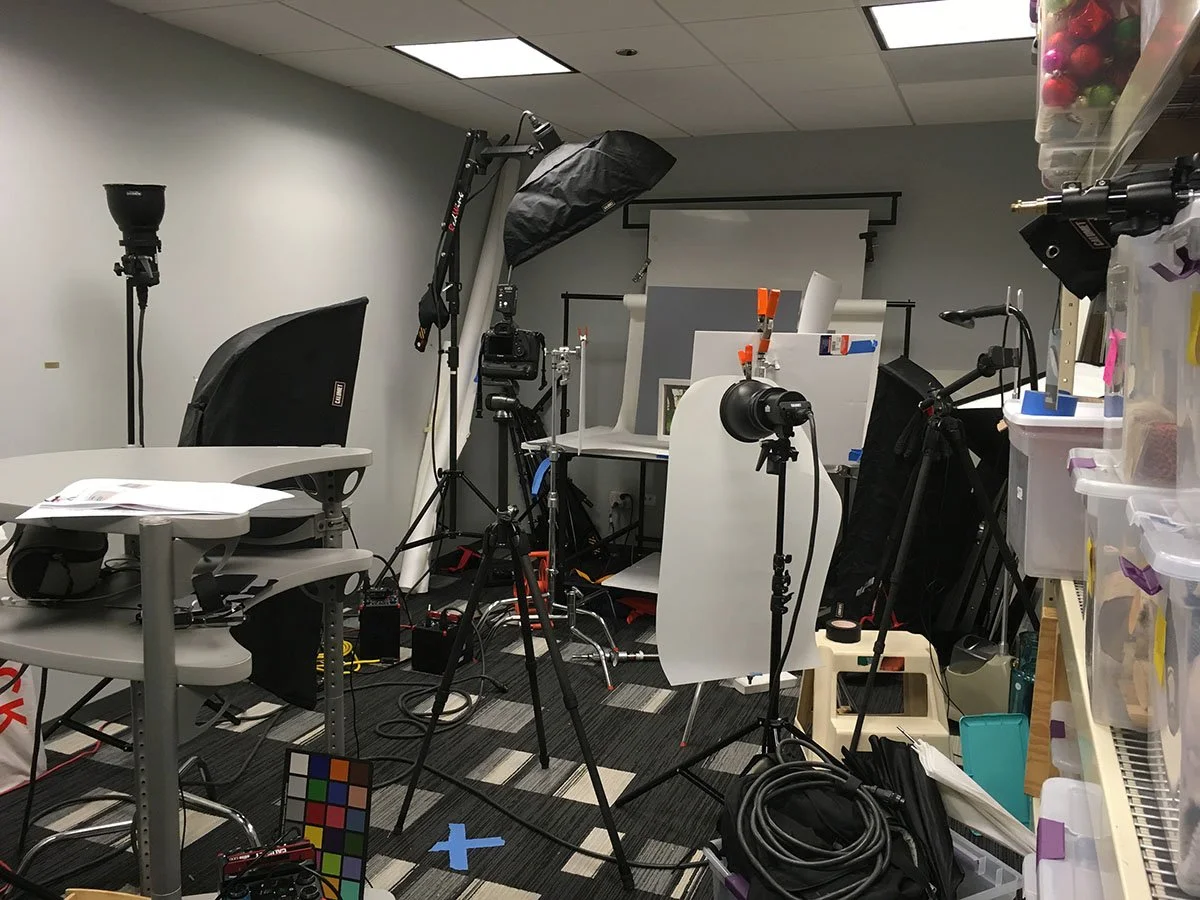
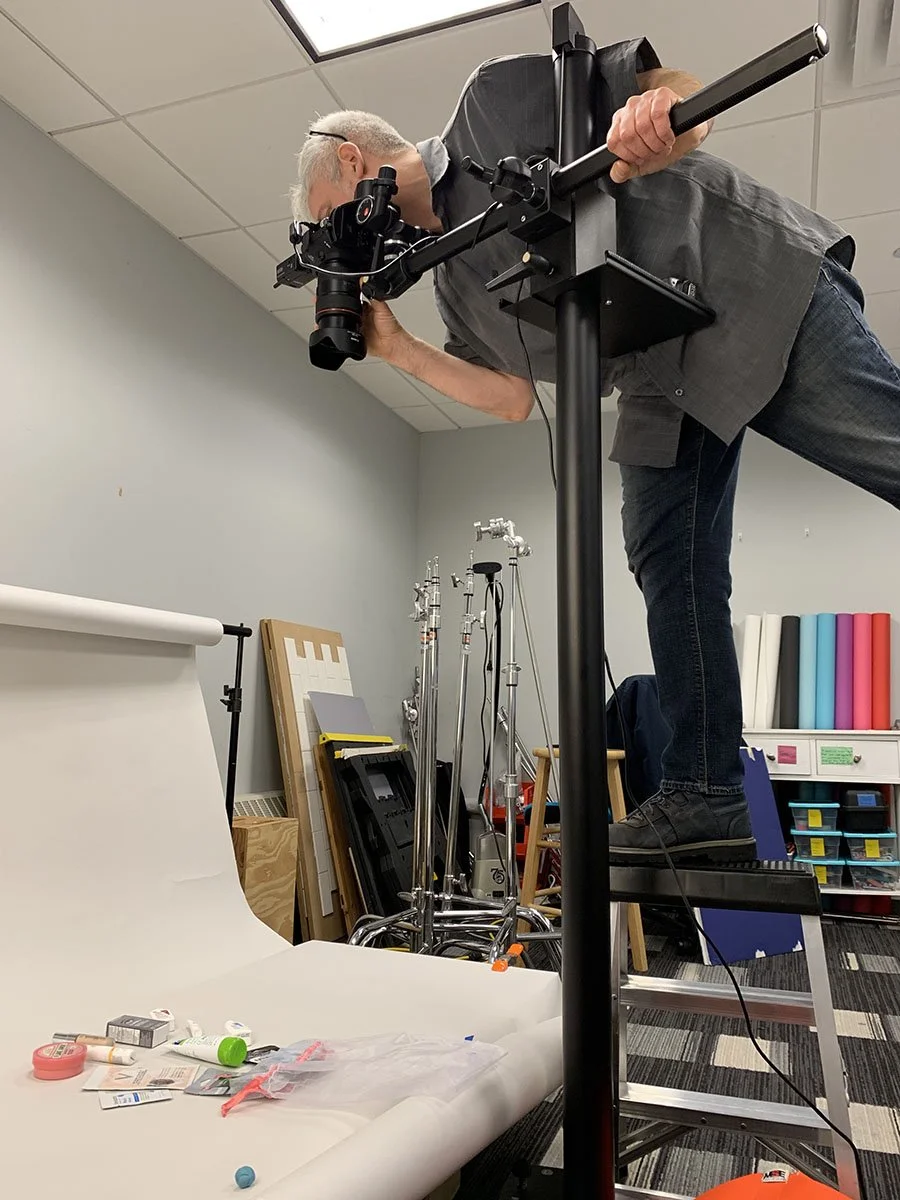
Where it started. The original storage space
The Insight
Speed is a creative input, not just a logistics variable. Brands that own their production capability own their creative tempo. When the studio is yours, the decision to shoot is made in a meeting, not a procurement cycle. The gap between deciding and doing is where cultural relevance is won or lost.
Infrastructure as Strategy
The argument for building the studio was not purely operational. It was strategic. At the scale Walgreens operates, the cost of external production compounds quickly: day rates, equipment rentals, location fees, crew, post. But more expensive than the spend is the delay. Reactive content -- the kind that catches a cultural moment before it moves on -- cannot be built on a three-week lead time. You either have the infrastructure to move fast, or you watch the moment from the outside.
This project was built on the premise that a brand should not have to ask permission to tell its own story. The studio gave Walgreens the ability to produce, iterate, test, and publish without an external gatekeeper on every piece of content. That operational freedom is what makes the cultural ambition sustainable.
The brands with taste have studios. Not because they can afford them. Because they understand what happens when you can't move.
From Closet to Camera-Ready
The transformation required precision planning across facilities, production design, technology procurement, and workflow architecture. Every square foot was mapped for dual purpose: the room needed to function as a photography studio, a video production space, and an editing suite -- sometimes simultaneously. No wasted space. No equipment that couldn't earn its place in the workflow.
Working directly with the facilities team, the buildout moved through three phases: structural preparation and lighting infrastructure, equipment procurement and installation, and final workflow integration. More than $1 million in total investment. More than $200,000 in camera, lighting, and production equipment alone. Each line item was justified against a specific creative output it would enable.
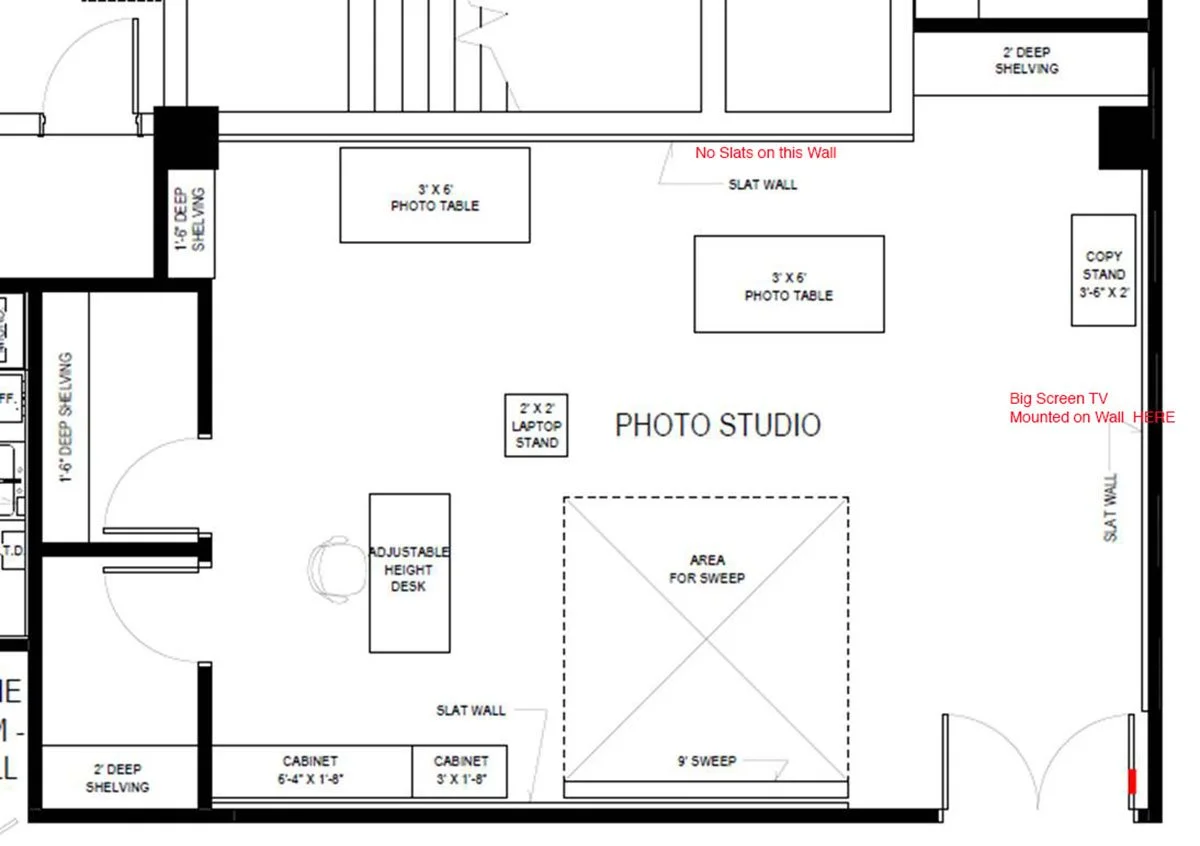
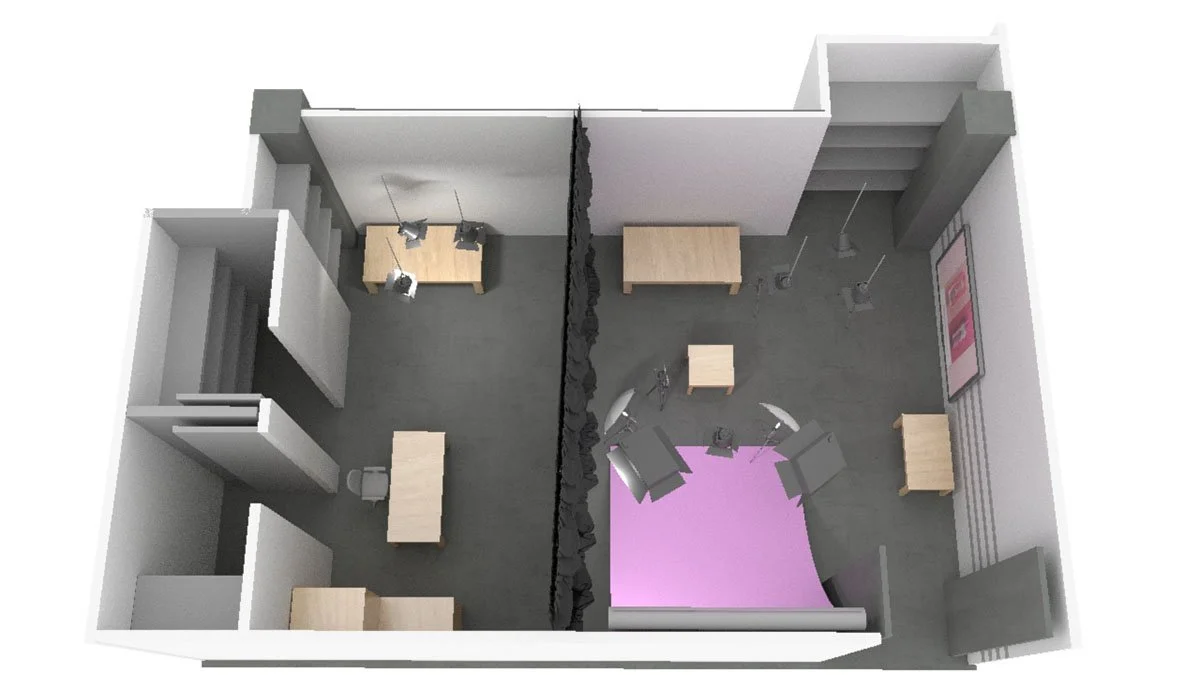
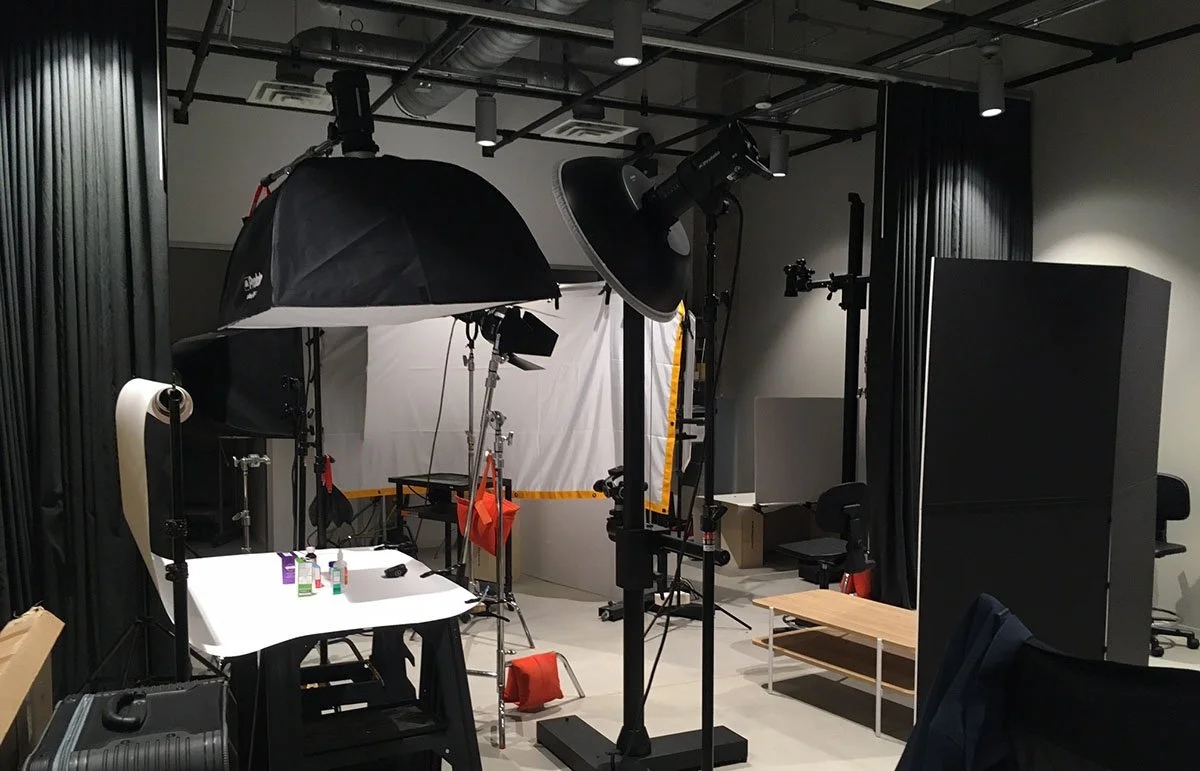
The finished studio
What World-Class Actually Means
The term gets used loosely. What it meant in practice: a space where the creative team is never constrained by the facility. Where the lighting can hold any mood the concept calls for. Where the throughput matches the publishing cadence of a brand operating across twenty-plus channels. Where the equipment doesn't introduce a ceiling on quality that the work then has to negotiate around.
Functionality, versatility, aesthetic quality -- those were the three design principles that governed every decision. Functionality because a beautiful studio that doesn't work is a liability. Versatility because the content mix required the space to shift between product photography, lifestyle stills, and long-form video without a full crew changeover. Aesthetic quality because the room itself communicates something to the people making work inside it. You cannot produce culture-forward content in a room that feels like a repurposed conference space.
The standard was simple: walk a seasoned creative director from an external production house through the space, and have them ask if this was purpose-built. The answer, when the doors opened, was yes.
The Compounding Return
The return on a studio investment is not measured in a single campaign. It compounds. Every piece of content produced in-house is a data point. Every iteration that gets made in a day instead of a week is speed that doesn't need to be bought back later. Every seasonal moment that gets captured because the studio was available -- not booked -- is reach that the calendar can't put a number on until after the fact.
The studio became the infrastructure behind multiple campaign cycles: holiday productions, product launches, influencer content, social-first shoots that needed to move within 48 hours. The question stopped being "can we do this in-house?" and became "why would we do this anywhere else?"
