In spring 2020, social platforms flooded with health misinformation moved faster than any corrective content could catch up. Walgreens had a credible answer: actual pharmacists with genuine expertise. The barrier was operational. They had no infrastructure to get that expertise onto social media fast enough to matter. The first proof of concept was shot at home.
"Ask a Pharmacist" started as a one-week turnaround video series: a pharmacist, a camera, a question people were asking online. The format was deliberately unpolished because polish takes time, and time was the constraint. The goal was credibility and speed. Credibility was built in. Speed had to be engineered.
The First Shoot: Establishing What's Possible
The pandemic had dismantled the assumption that content requires a production environment. With studios closed and crews unavailable, the home-shoot POC wasn't a compromise -- it was an experiment in what a leaner system could do. A pharmacist on camera, good lighting, clear audio, a question worth answering. That turned out to be enough.
The first episode established the template. The format held regardless of the environment it was shot in. Once we knew that, the question shifted from "can we make this" to "how do we make it consistently, fast, and at volume."
Misinformation accelerates. Correction needs to match that velocity. A one-week turnaround isn't fast -- it's the minimum viable speed for content that's responding to a moving information environment. The first constraint we designed against wasn't budget or talent. It was time.
Operationalizing the Series
Moving from one proof-of-concept to a multi-day production operation required systematizing every decision that had been made intuitively in the first shoot. Topic selection: what questions were actually circulating, ranked by misinformation risk and audience size. Talent pipeline: which pharmacists were available, credible on camera, and comfortable with the format. Post-production: a rhythm for edit, review, and approval that didn't add delay at the end of a process where days mattered.
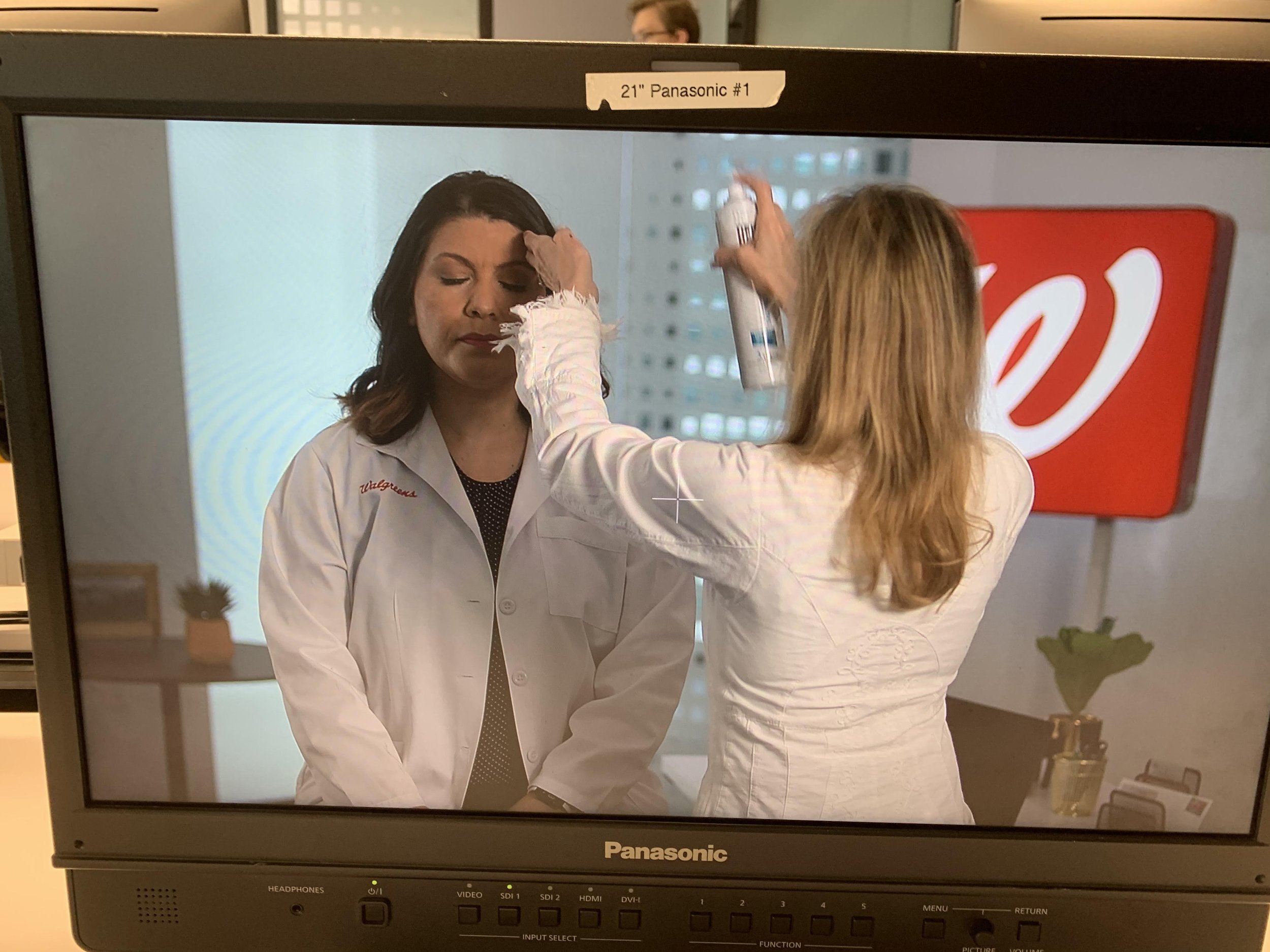
The series scaled into a sustainable operation. Multiple episodes in production simultaneously. Topics batched by pharmacist specialty. Platform-specific cuts prepared in parallel with the primary edit. What started as a one-person proof of concept became a coordinated content machine. Built, tested, and running in weeks instead of months.
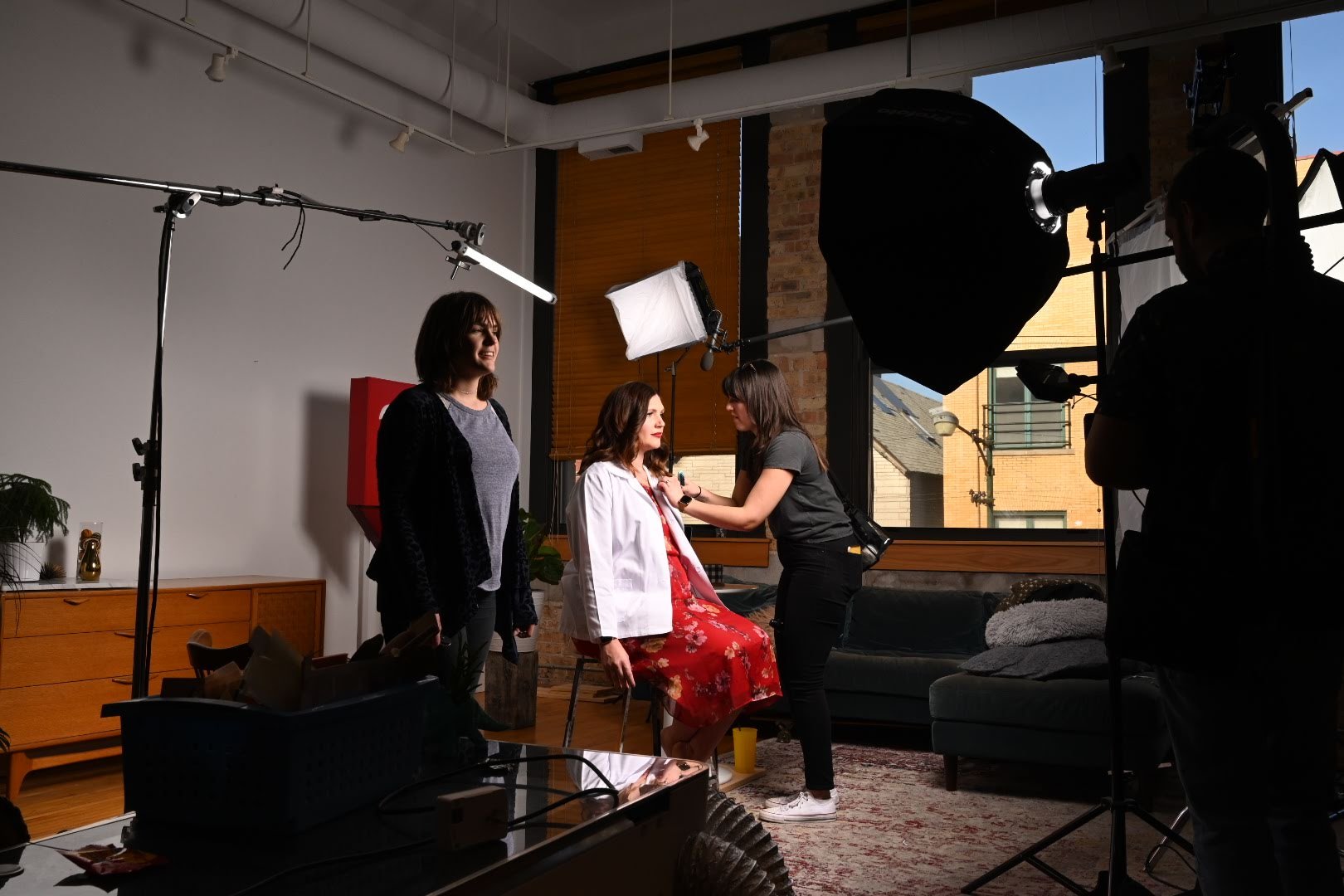
From home POC to scaled operation. Production evolution
Creating Avatar Pharmacists
The natural ceiling of the human-on-camera format is the availability of the humans. Scheduling real pharmacists around their clinical responsibilities created a throttle on content volume that no amount of operational efficiency could fully remove. The experiment with AI avatars was an attempt to break through that ceiling.
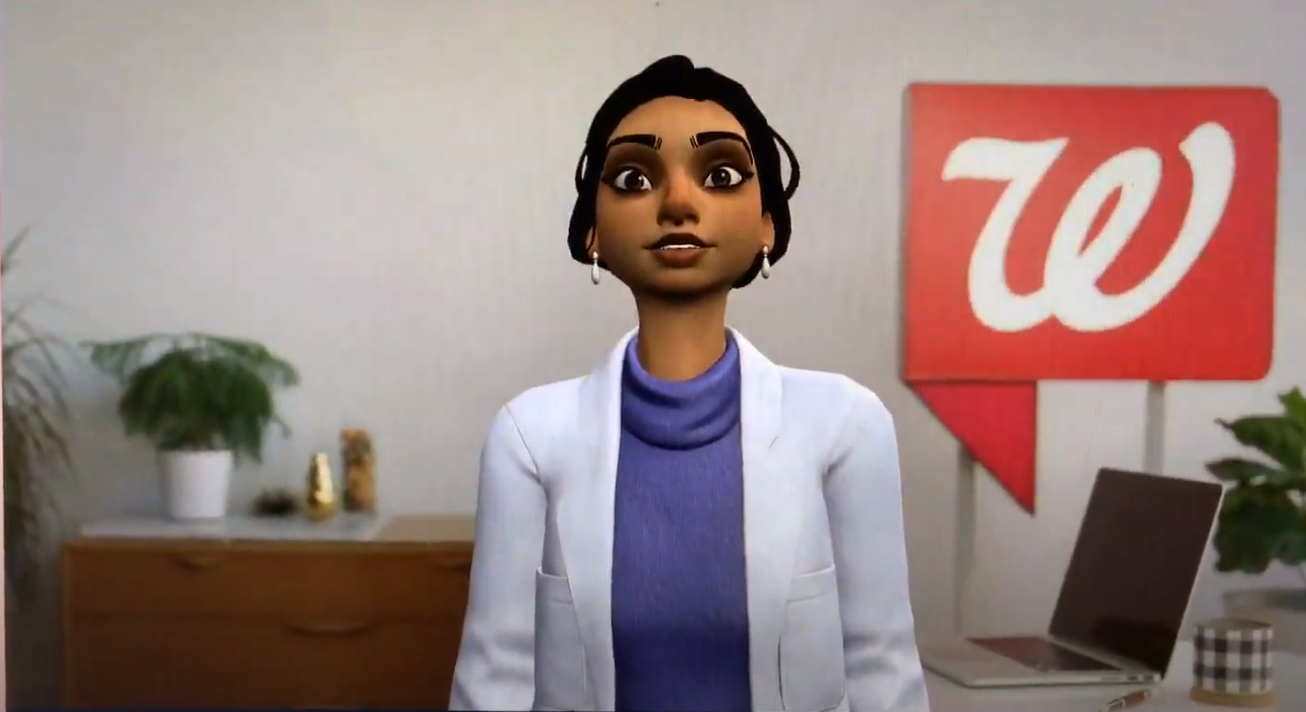
The concept was straightforward: pharmacist-approved scripts, delivered by synthetic on-screen talent, with the same visual language and format authority as the live shoots. The avatar delivered expertise without requiring the pharmacist on set. The bet was on audience acceptance. Could viewers trust information delivered synthetically if the source remained credible?
AI avatar experimentation -- scaling beyond human production constraints
"The question was never whether AI could deliver the content. It was whether the audience would trust content delivered that way. That's still an open question -- and worth asking."
What the Constraint Taught
A crisis production environment compresses every assumption about how content gets made. You find out fast which parts of the conventional process were genuinely load-bearing and which were habit. The home shoot stripped away studio, crew, set design, and most of the pre-production infrastructure -- and the content still worked. That's a finding worth carrying forward.
The "Ask a Pharmacist" series was a response to an emergency, but what it built -- a rapid-cycle content operation calibrated for speed, credibility, and audience service -- is infrastructure that outlasts the emergency that created it. The pandemic didn't last. The capability it forced us to build did.
Constraints are design inputs. A home shoot, a one-week turnaround, a lockdown that closes every production facility -- each of these is a constraint that shapes the solution. The series worked because it was designed around the actual conditions rather than the ideal conditions. That's not compromise. That's the job.
Rapid content production. Ask a Pharmacist series
