
The Barbie movie worked as a cultural permission slip. For a solid six weeks, pink became the dominant frequency across every social platform, every conversation, every piece of content. The brands that won that window built something real inside it, rather than slapping a logo next to a Barbie reference.
For Em & Me Studio, the question was how to translate cultural momentum into something tangible, something that deepened the customer relationship rather than borrowing the moment's energy and spending it.
The Dollhouse as Strategy
The idea was simple on its face: build a Barbie-inspired dollhouse as a centerpiece for the Em & Me Studio experience. Simple ideas live or die in their execution. The house worked as a setting, built to showcase the collection inside a cultural moment that made people want to look.
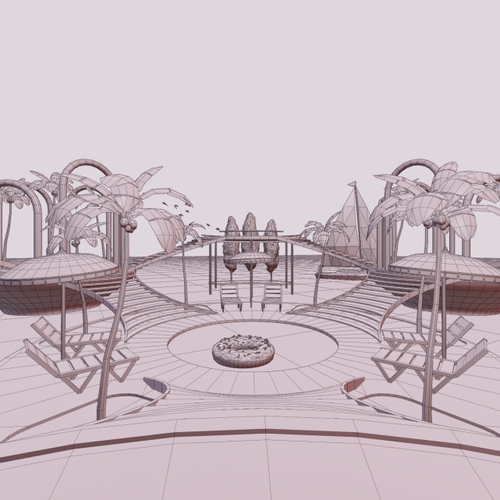
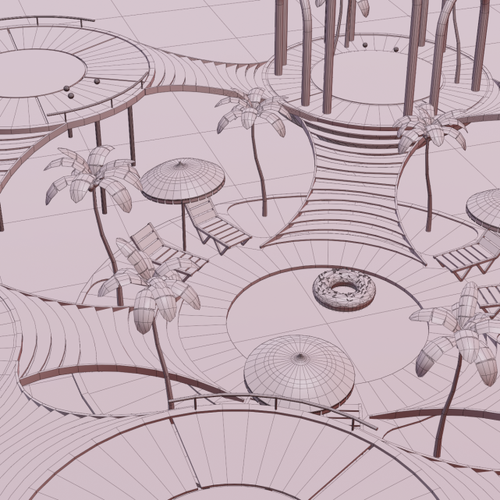
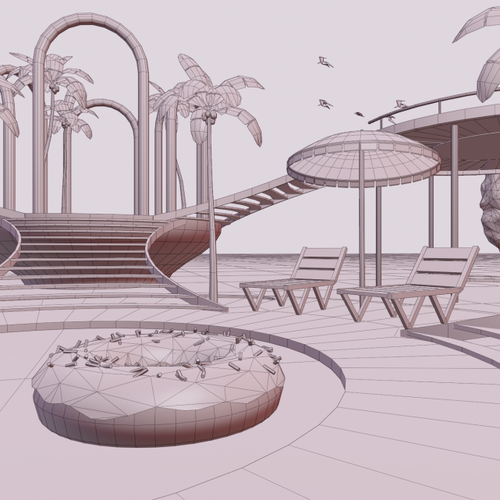
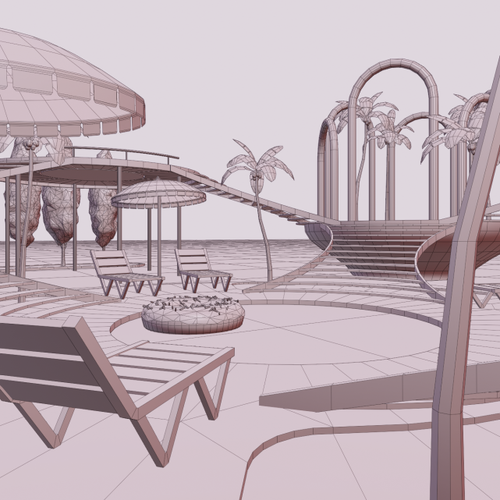
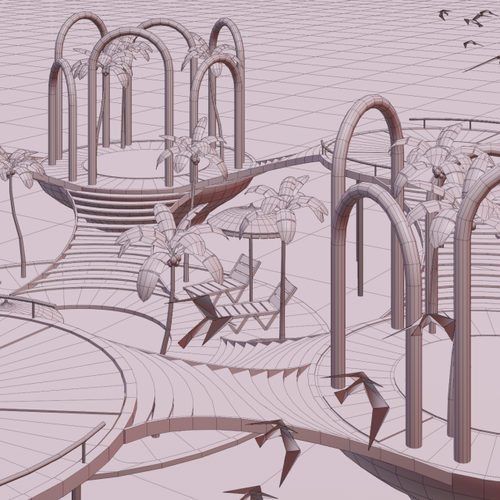
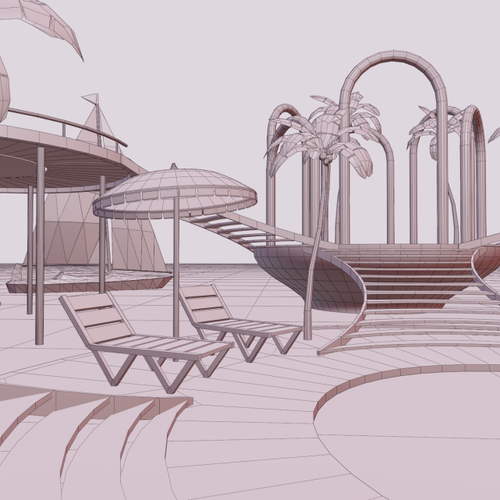
Architectural blueprints and wireframe renders. Em & Me Studio dollhouse
Barbie is a symbol carrying decades of cultural meaning around creativity, empowerment, and limitless possibility. Borrowing it succeeds or fails on execution: whether the brand deepens the association or cheapens it.
Interactive Storytelling at the Point of Experience
The physical installation was the foundation. Visitors could access smartphone-enabled storytelling elements through the house: hidden surprises, deeper context about the collection, layered discovery designed to extend time inside the brand's world. The interactive layer transformed a display into a destination.
The digital layer served one purpose: sustained attention. The longer someone is genuinely engaged, the higher the probability of conversion. Whether a purchase, a share, or a subscription, the interactive elements gave people a reason to stay inside the experience.
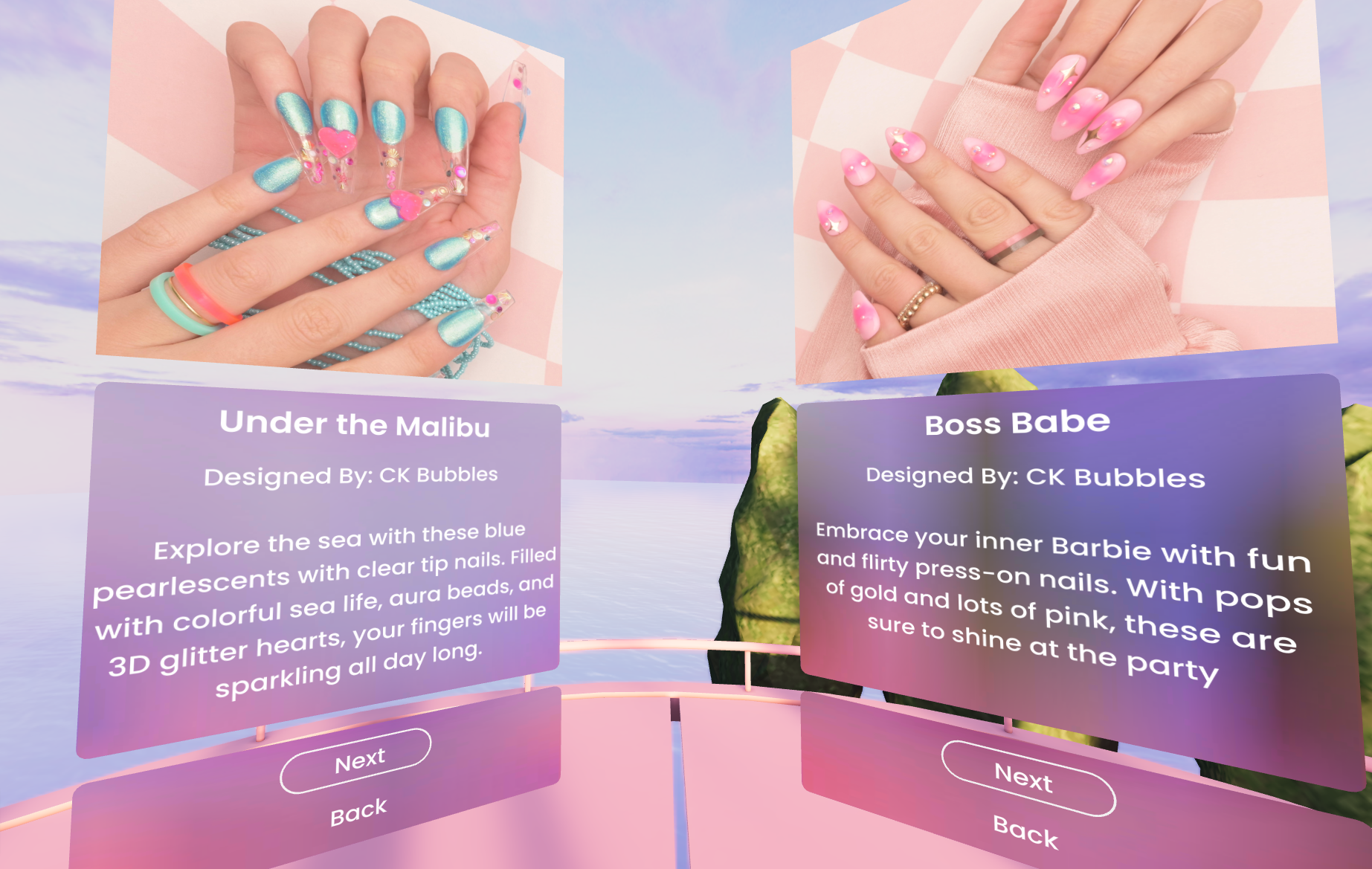
The dollhouse installation and digital storytelling integration
Conversion Architecture
The experience had a commercial spine. Visitors who engaged with the interactive elements received a 20% discount on the pet tag collection and nail art, offered in exchange for email subscription. Timing was critical: the discount landed just before the film's release, when purchase intent for anything Barbie-adjacent peaked.
The mechanic was clean: cultural relevance built the audience, the experience built the relationship, the offer closed the transaction. Each step was designed to earn the next. Nobody felt sold to because they'd already opted into something they found genuinely interesting.
"The brands that won the Barbie moment built something real inside it. That requires contribution beyond the aesthetic."
What the Results Measured
Email subscriptions grew measurably. Customers who engaged with the installation converted at higher rates than baseline. Sales of both the pet tag collection and nail art increased during the campaign window, with customers citing the in-store experience as the deciding factor. The emotional connection the activation was designed to create appeared in the data precisely as expected.
The most valuable result was unplanned: the dollhouse became an object people wanted to document and share. Visitors generated organic reach not because they were asked to post, but because the installation compelled them to. That's the signal a physical brand activation is working.
Cultural moments are conversational contexts, not marketing opportunities. Joining requires something genuine to contribute. The dollhouse worked because it was beautiful, handmade, and worth the attention it demanded. The standard is simple: are we earning our place in the conversation, or just extracting value from it.

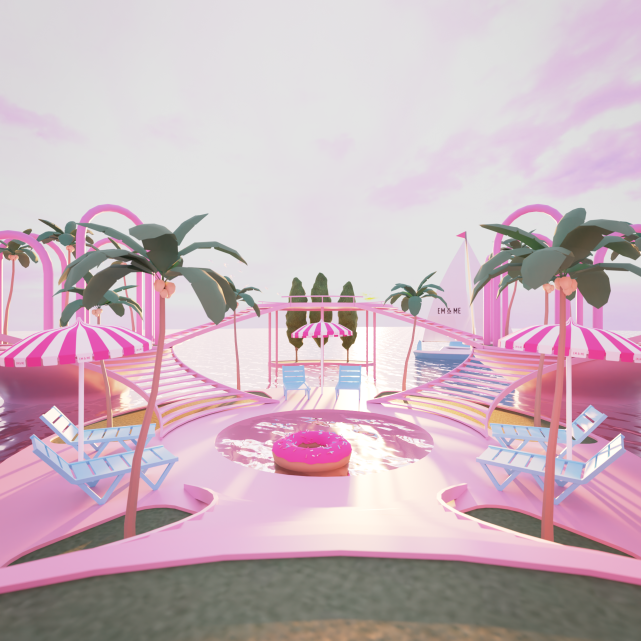



Final renders. Em & Me Studio dollhouse
